RFID Payment System: How It Works and Why Businesses Are Switching Fast
If you’ve ever tapped your card or phone to pay, you’ve already used an RFID payment system—you just might not have thought about it.
This tech is quietly replacing cash, speeding up checkout, and making payments feel almost instant. For businesses, especially retail, events, and smart vending, RFID payments aren’t just “nice to have” anymore—they’re becoming standard.
What Is RFID Payment System?
An RFID payment system is a contactless way to pay using radio waves.
Instead of swiping a card or entering a PIN, you just tap a card, wristband, or phone near a reader—and the payment goes through in seconds.
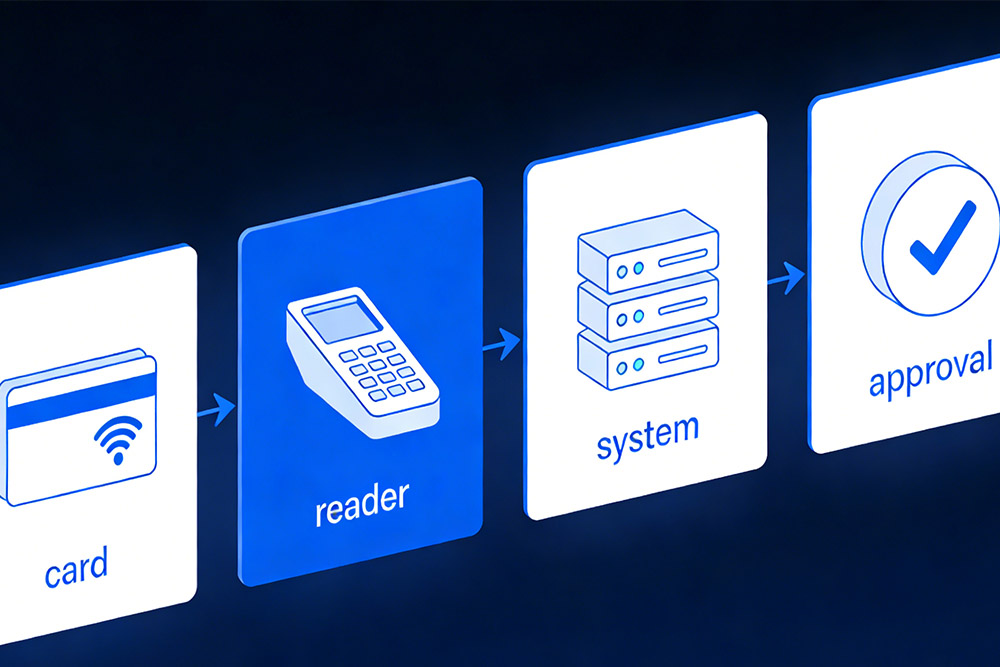
At its core, it’s built on three simple parts:
- RFID tag (card, wristband, or device)
- RFID reader (POS terminal)
- Backend payment system (handles authorization)
That’s it. No physical contact needed.
How RFID Payment Actually Works
Here’s what happens when someone taps to pay:
- The RFID reader sends out a signal
- The tag (card or device) wakes up and responds
- Payment data is transmitted securely
- The system verifies the transaction
- Payment is approved in seconds
All of this happens within a very short range (usually a few centimeters), which helps keep it secure.
Why RFID Payment Systems Are Growing So Fast
Let’s be real—people hate waiting in line.
RFID solves that.
1. Speed
Transactions happen almost instantly. No cash, no PIN, no delay.
2. Convenience
Tap and go. That’s it.
3. Contactless (Hygienic)
No touching terminals—this became a big deal after COVID.
4. Better User Experience
Perfect for:
- Retail stores
- Festivals & events
- Transportation systems
- Smart vending machines
Real Business Use Cases
RFID payment systems aren’t just for banks—they’re everywhere now.
Retail Stores
Customers tap to pay—faster checkout, shorter lines.
Events & Festivals
RFID wristbands replace cash and tickets. One tap for everything.
Smart Cafeterias / Campuses
Students or staff use RFID cards for meals and purchases.
Unmanned Stores
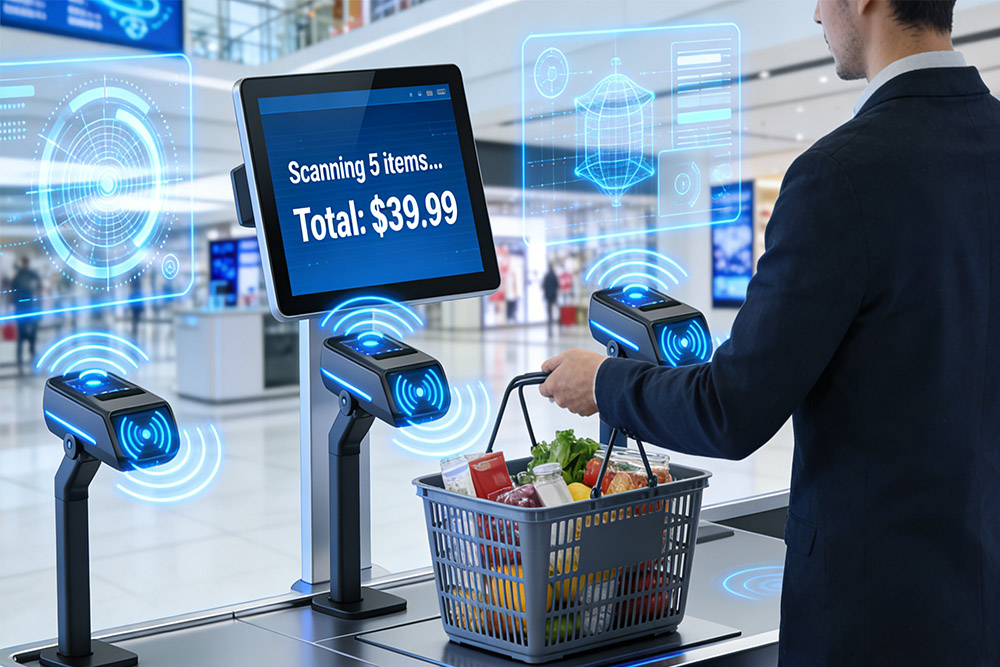
Combine RFID checkout + payment = fully automated shopping.
A Practical RFID Payment Solution (With Hardware + System)
If you’re looking for a ready-to-deploy solution, this RFID payment system
is designed exactly for these scenarios.
It combines:
- RFID readers
- Payment integration
- Software backend
- Real-time transaction processing
So instead of building everything from scratch, you can deploy a working system much faster—especially useful for wholesale buyers, system integrators, or project-based deployments.
RFID vs Traditional Payment Methods
| Feature | Traditional Payment | RFID Payment System |
|---|---|---|
| Speed | Slow (insert/swipe) | Instant tap |
| Contact | Required | Contactless |
| User Experience | Average | Smooth |
| Queue Time | Longer | Shorter |
| Automation | Limited | High |
Is RFID Payment Safe?
Short answer: yes—when done right.
Modern RFID payment systems use:
- Encryption
- Tokenization (one-time transaction codes)
- Short-range communication
This means even if someone intercepts data, it’s basically useless.
Final Thoughts
RFID payment systems are not some “future tech”—they’re already here and growing fast.
If your business deals with:
- High customer flow
- Fast transactions
- Cashless environments
Then RFID payment is something you should seriously consider.
And if you don’t want to build everything from zero, a ready-made solution like the one linked above can save a lot of time (and headaches).


评论
发表评论