RFID Barrier Gate,From Basics to Real-World Use, Understanding Wireless Access at Entry Points
Why RFID Barrier Gates Are Everywhere Now
If you’ve driven into a modern apartment complex or office parking lot recently, chances are you didn’t stop to grab a ticket. Instead, the boom gate lifted almost instantly—thanks to an RFID barrier gate. The idea sounds fancy, but in practice it’s surprisingly straightforward: your car carries a small RFID tag, the gate has a reader, and access is granted in a split second.
What struck me the first time I used one wasn’t just the convenience—it was the speed. No fumbling with cards or cash, no rolling down the window in the rain. The whole process felt smoother, almost invisible.
How It Actually Works
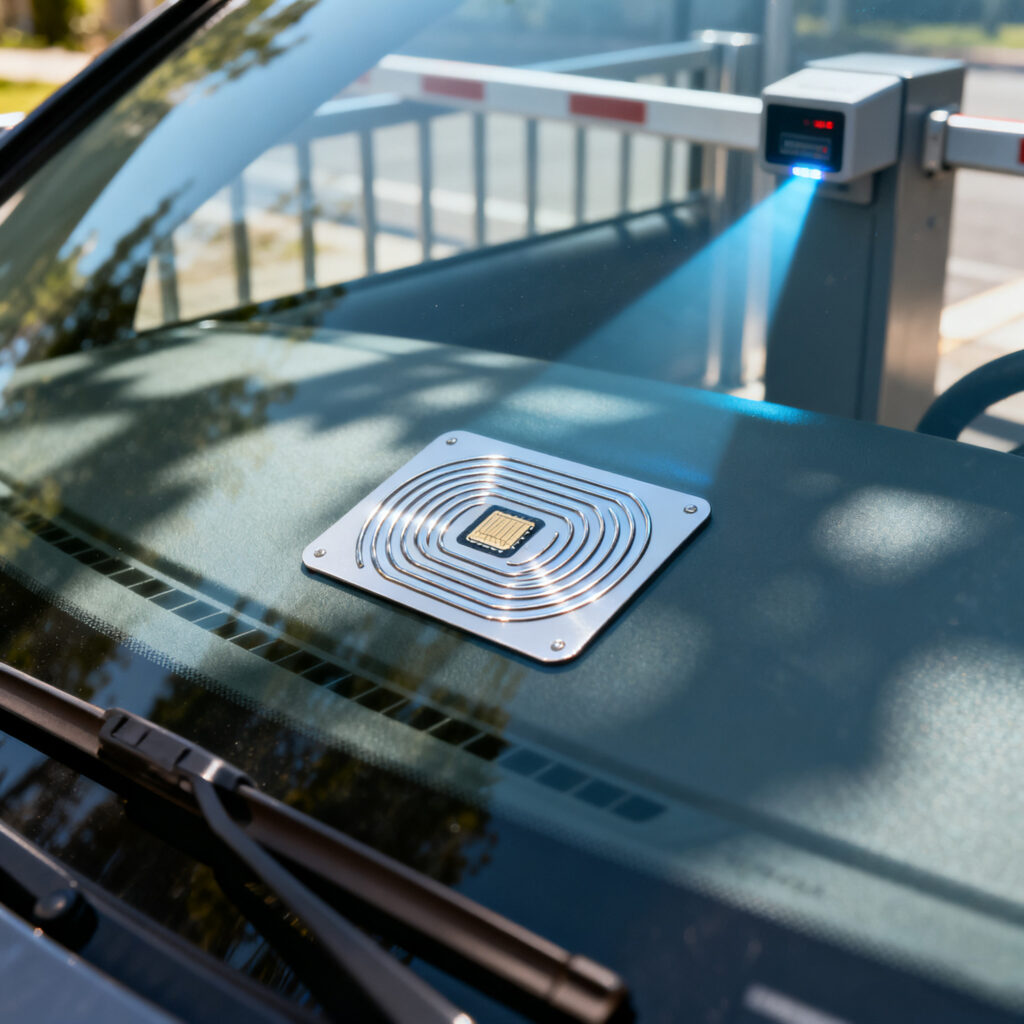
At its core, the system is a handshake. The RFID tag is like your ID card, except you don’t need to wave it. As you approach the gate, the antenna picks up the tag’s signal, checks if you’re allowed in, and then the barrier opens.
There are two common setups:
- Long-range readers for vehicles, where you don’t stop at all.
- Short-range readers for places where walking access is needed.
From what I’ve seen, the long-range setup makes the biggest difference in busy spots like hospitals, warehouses, or campuses—anywhere a line of cars would be a nightmare.
The Real Benefits
- Convenience: No more waiting for guards to check IDs.
- Security: Every entry is logged, which makes tracing activity easier.
- Scalability: You can manage thousands of users without changing locks or keys.
That said, it’s not perfect. Metal objects or even heavy rain can sometimes interfere with the reader’s range. I’ve also noticed that if the tag isn’t mounted properly on the windshield, the system might ignore you completely. In those moments, you’re stuck waving at the security guard like nothing’s changed.
Where RFID Barrier Gates Fit Best
They shine in places where there’s a lot of vehicle movement:
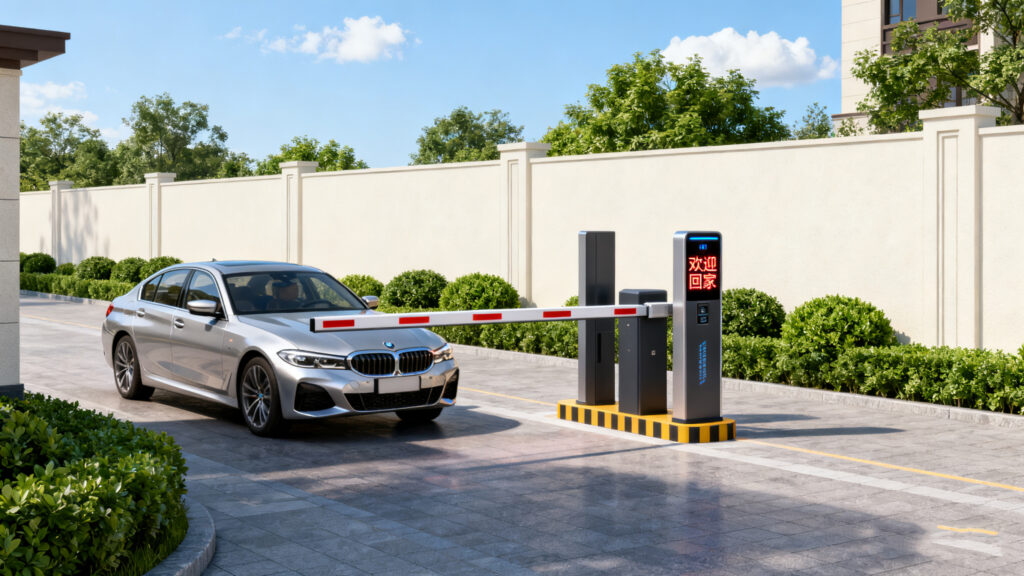
- Residential communities where residents don’t want to stop daily.
- Corporate offices that need both security and smooth traffic.
- Logistics hubs or warehouses where trucks come and go constantly.
- Hospitals or universities that juggle staff, students, and visitors all day.
Basically, anywhere traditional ticketing or manual checks would slow things down.
A Personal Take
After seeing RFID barrier gates in different settings, my impression is this: they don’t feel like “high-tech gadgets” anymore. They’ve quietly become part of the background, like automatic doors or security cameras. And maybe that’s the real sign of good technology—you don’t think about it, it just works (most of the time).


评论
发表评论