RFID Laundry Tags in Bulk: What Buyers Really Care About (and What Most Suppliers Don’t Tell You)
If you’re sourcing RFID laundry tags in bulk, you’re probably not just looking for “a tag that works.”
You care about durability, consistency, and whether it can survive real laundry conditions—not lab tests.
Let’s break it down in a practical way.
What Are RFID Laundry Tags
RFID laundry tags are small chips sewn or sealed into textiles like towels, uniforms, and linens.
They let you track items automatically using RFID readers—no manual counting needed.
In real operations, that means:
- Scan 500 towels in seconds
- Track how many wash cycles each item went through
- Reduce loss and mix-ups
And the big advantage?
No line-of-sight needed—everything can be read in bulk.
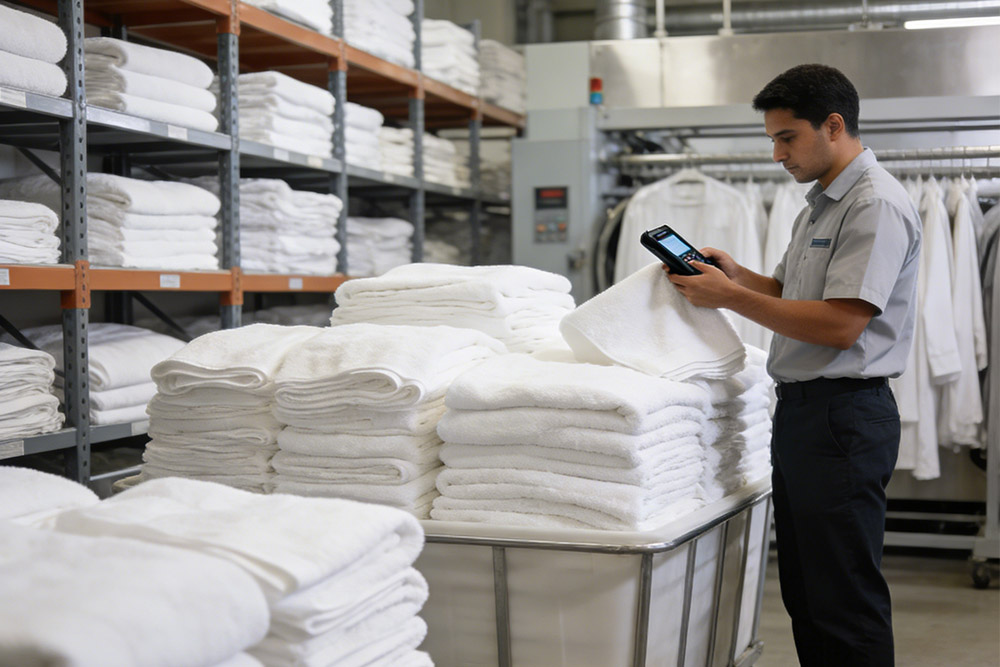
Why Bulk Buyers Are Switching to RFID Laundry Tags
From what we’ve seen in real projects (hotels, hospitals, rental uniforms), the reasons are pretty straightforward:
1. Massive Time Savings
Inventory that used to take hours now takes minutes.
Some operations cut counting time by over 90%.
2. Lower Loss Rate
Without tracking, linen loss can hit 15–20% yearly.
With RFID, it drops significantly because every item is traceable.
3. Real Data, Not Guesswork
You actually know:
- How many times a towel was washed
- When to replace it
- Where items get lost
The Problem With Cheap RFID Laundry Tags
A lot of buyers make the same mistake:
They compare price per tag… not cost over lifecycle.
Here’s where low-quality tags fail:
- Stop working after 20–50 washes
- Data becomes unreadable
- Adhesive or stitching fails
- Performance drops in wet loads
And once tags fail, your whole system breaks.
What a Reliable Industrial Laundry Tag Should Have
If you’re buying in bulk, these specs matter more than anything:
High Wash Durability
Look for 200+ wash cycles minimum
Anything less = frequent replacement
Heat Resistance
Laundry isn’t just water—it’s:
- Dryers
- Press machines
- Ironing
Good tags should handle up to 180°C heat exposure
Chemical Resistance
Hospital laundries use strong alkaline detergents (pH 12+)
If the tag can’t handle that, it won’t last
Stable Reading in Bulk
Tags must still read when:
- Wet
- Folded
- Stacked together
Industrial-Grade RFID Laundry Tag
If you want something built for actual laundry environments, this is a solid reference:
CK-BQ7015 Industrial RFID Laundry Tag
What stands out:
- Handles 200+ industrial wash cycles
- Works in temperatures from -25°C to 180°C
- Reads even in wet, stacked textiles
- Supports UHF global frequency (860–960 MHz)
- Designed to stay permanently inside fabric
This is the kind of tag you use when downtime or replacement isn’t acceptable.
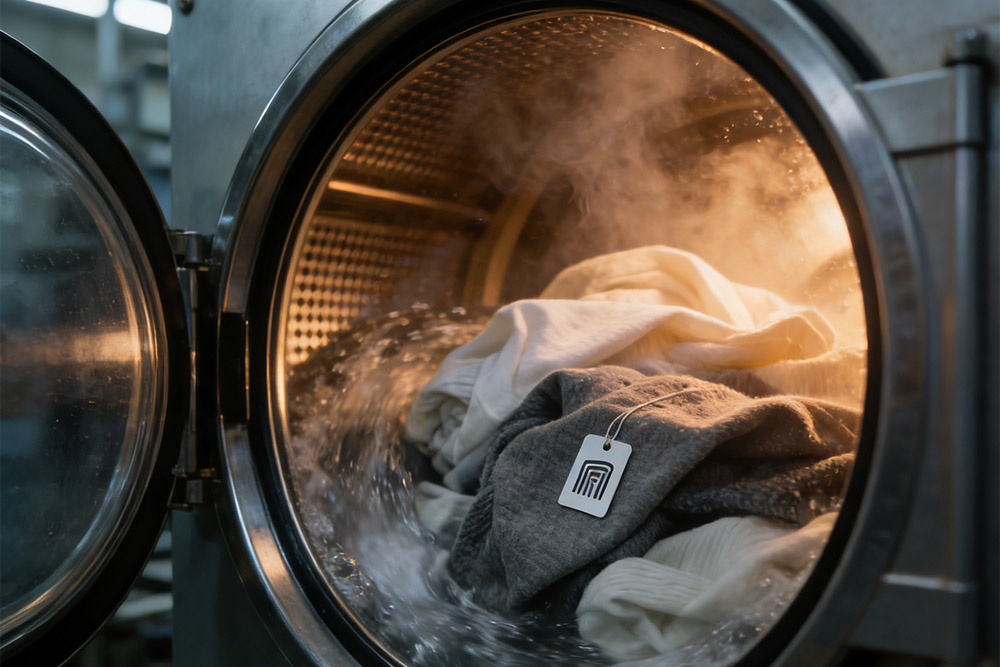
Common Bulk Use Cases
Most wholesale orders come from:
Hotels & Resorts
- Towels, sheets, bathrobes
- Fast inventory + anti-loss tracking
Hospitals
- Surgical textiles
- Strict lifecycle tracking
Uniform Rental Companies
- Workwear, factory uniforms
- Track usage cycles and maintenance
Industrial Laundries
- High-volume processing
- Automation is critical
How to Choose the Right Supplier
When you’re placing bulk orders, don’t just ask for price—ask this:
- Can you provide wash cycle test data?
- What chip are you using (Impinj, etc.)?
- Do you support encoding before shipment?
- Any real deployment cases?
If they can’t answer clearly, move on.
Final Thoughts
RFID laundry tags are not expensive—but bad ones are.
If you’re doing wholesale or large-scale deployment, focus on:
- durability
- consistency
- real-world performance
Because once tags fail in the field, fixing it costs way more than choosing the right one from the start.


评论
发表评论