What Exactly Is RFID Hardware? A Simple Breakdown of Tags, Readers, and Antennas
When people talk about RFID hardware, they’re usually referring to the three core pieces that make the whole RFID system work: RFID tags, RFID readers, and RFID antennas. These parts work together to identify and track items without any contact, scanning, or line-of-sight. If you’ve seen automated warehouse check-ins, smart retail shelves, or asset tracking setups, that’s basically RFID in action.
Below is a straightforward look at what each piece does and the kind of hardware you’ll find on the market today—using examples from Cykeo’s RFID antennas, readers, and tag product lines.
1. RFID Tags – The ID Carriers
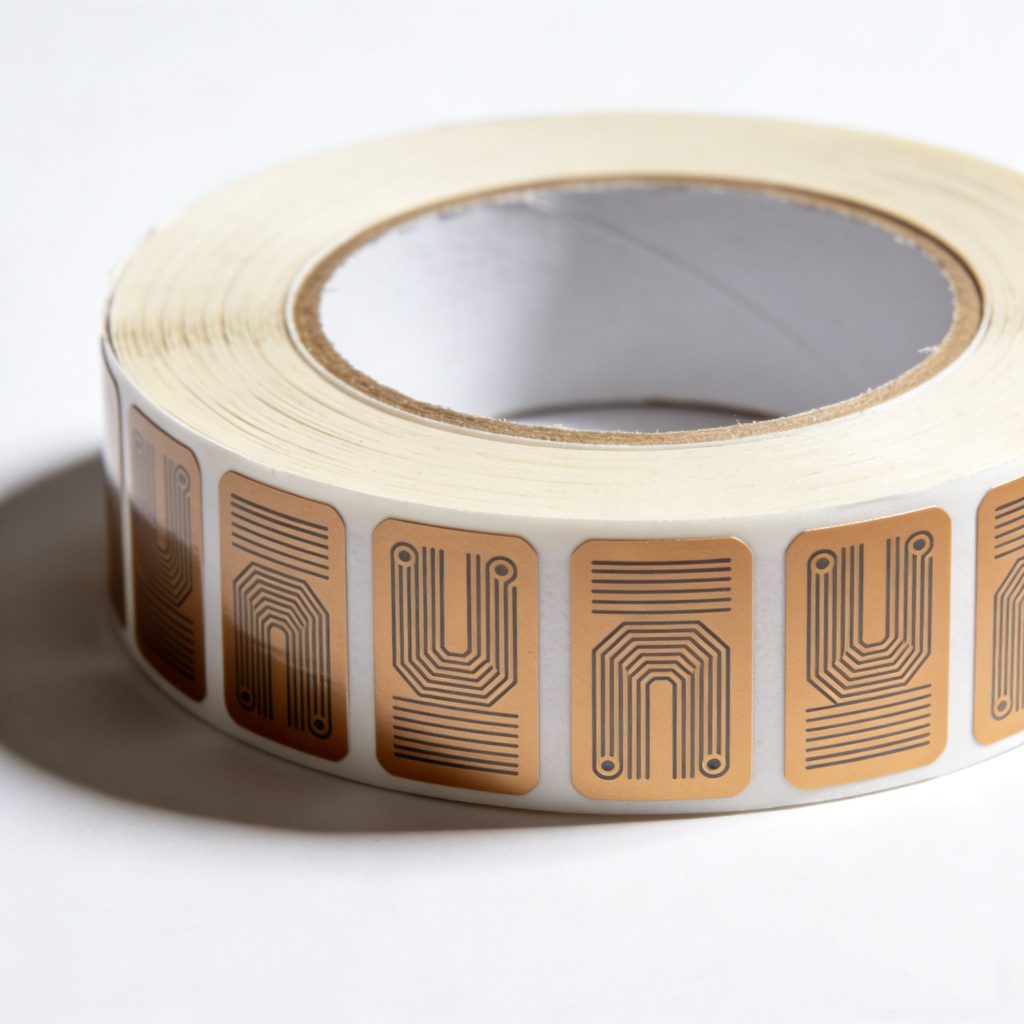
Every RFID system starts with a tag. It’s a tiny chip plus a small antenna, carrying a unique ID or whatever data you store on it. Once the tag enters the reader’s signal range, it wakes up and sends data back.
Cykeo offers a variety of RFID tags designed for different environments—regular labels, industrial tags, water-resistant and rugged tags for harsh settings, and tags that work well on metal or curved surfaces. These are the little components that get attached to boxes, clothing, pallets, tools, equipment, assets, or anything else you need to track.
2. RFID Readers – The Brains of the System
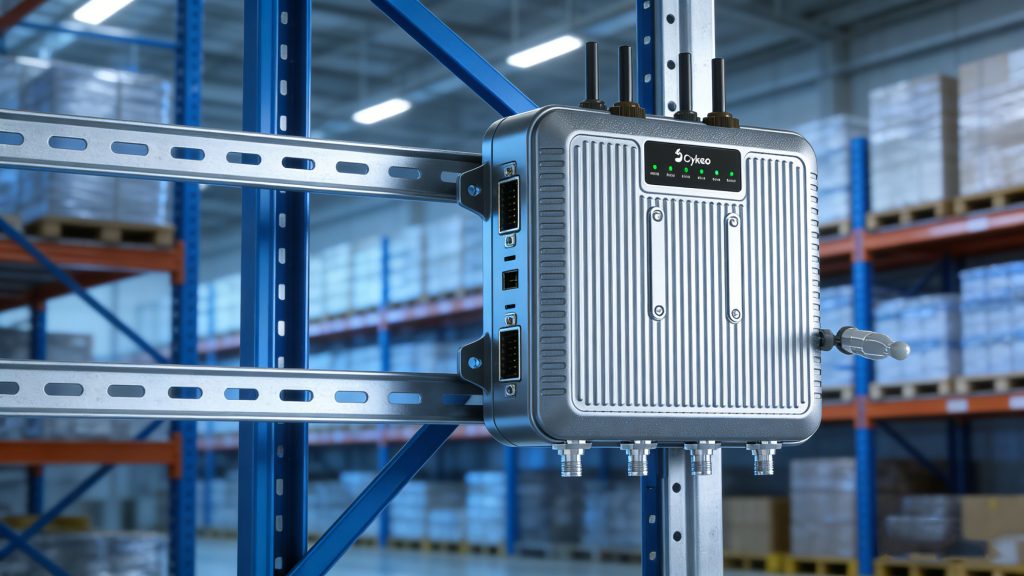
If the tag is the ID card, the reader is the scanner—but much smarter. RFID readers send out radio waves, receive the tag’s response, and pass the data to your software.
Readers come in different shapes depending on how the system needs to work:
- Fixed readers for warehouses, conveyor lines, and smart cabinets
- Handheld readers for retail stock checks or field inspections
- USB desktop readers for quick tag encoding or small office setups
- Long-range or multi-antenna readers for high-traffic gates and inventory tunnels
Cykeo’s lineup covers all of these. For example, the multi-port UHF fixed readers support up to 16 antennas, ideal for high-density warehouse deployments, while portable readers are better for mobile workflows.
3. RFID Antennas – Extending the Reading Power
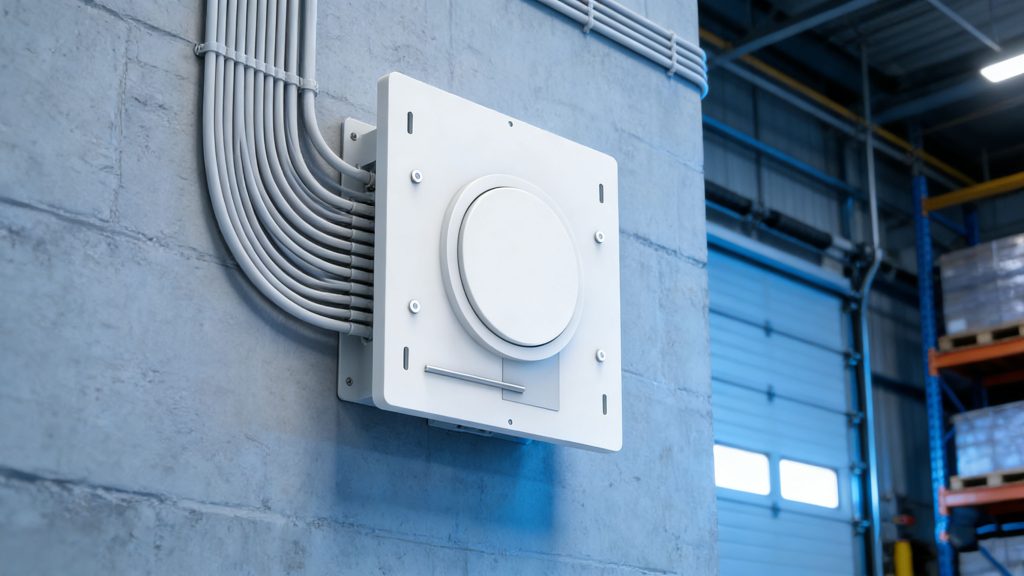
The antenna is what actually pushes the radio waves into the air. It determines how far the reader can pick up tags and how stable the reading performance is.
Cykeo provides different types of antennas, such as:
- High-gain panel antennas for long-range tracking
- Slim, low-profile antennas for tight installation spaces
- Circular-polarized antennas for fast, multi-angle tag reading
- Industrial-grade antennas built for warehouses, loading docks, and assembly lines
The antenna you choose directly affects your coverage, accuracy, and speed—so it’s a critical part of the setup.
How These Three Pieces Work Together
A simple RFID workflow looks like this:
- The reader sends out a radio signal through the antenna.
- An RFID tag in the signal range wakes up and responds.
- The reader captures the data and sends it to your system.
That’s it—fast, automatic, and hands-free. And because RFID can read many tags at the same time, it’s widely used for:
- Warehouse inbound/outbound automation
- Retail inventory counting
- Supply chain visibility
- Asset and tool tracking
- Smart shelves, cabinets, and vending systems
- Industrial production and material flow
Different combinations of readers, antennas, and tags let you build simple desktop ID systems or large-scale, fully automated warehouse setups.
Why RFID Hardware Matters
Good RFID hardware means:
- More stable and accurate tag reading
- Better coverage and reading distance
- Faster inventory and scanning
- Fewer read errors in complex environments
- Scalable deployment for growing operations
Choosing the right hardware—tag + reader + antenna—makes all the difference in how smooth and reliable your system runs.
Final Thoughts
RFID hardware isn’t complicated once you break it down. Tags carry the data, readers capture it, and antennas bring the two together. Cykeo’s product range covers all three categories, offering hardware for retail, logistics, manufacturing, and pretty much any scenario where automation and real-time visibility matter.


评论
发表评论