What is Track RFID,How Track RFID Works?
What is Track RFID and how does it improve asset visibility?
Track RFID uses radio frequency identification technology to automatically identify, locate, and monitor assets in real time. It significantly improves inventory accuracy, reduces manual labor, and provides instant visibility across warehouses, hospitals, factories, and tool management environments.After deploying RFID tracking projects across manufacturing plants and industrial warehouses for more than a decade, I have consistently observed one pattern: companies rarely lose assets because equipment disappears. They lose assets because nobody knows where they are at the moment they are needed.
RFID changes that.
Unlike barcode systems that require line-of-sight scanning, RFID tags communicate wirelessly with readers, allowing hundreds of tagged items to be identified simultaneously. The result is faster inventory cycles, fewer misplaced assets, and significantly improved operational efficiency.
How Track RFID Works in Real Operations
In a typical deployment, RFID tags are attached to assets such as:RFID readers installed at entrances, storage areas, workstations, or mobile carts automatically capture tag information and send it to management software.
The process usually includes:
| Step | Function |
|---|---|
| RFID Tag | Stores unique asset ID |
| RFID Reader | Captures tag information |
| RFID Middleware | Filters and processes data |
| Tracking Platform | Displays location and movement history |
| Reporting System | Generates alerts and analytics |
Why Businesses Choose RFID Tracking Over Manual Processes
Inventory Accuracy Improves Dramatically
According to the official website of Auburn University RFID Lab, RFID-enabled inventory systems frequently achieve inventory accuracy levels exceeding 95%, compared with significantly lower accuracy rates in many manual inventory environments.In one industrial tool management project, weekly manual counts requiring six employees for nearly eight hours were reduced to less than thirty minutes after RFID deployment.
Faster Asset Location
Maintenance teams often spend considerable time searching for specialized tools.A study published by NIH National Library of Medicine reported measurable efficiency improvements when RFID systems were used to locate medical equipment and high-value assets within healthcare facilities.
The same principle applies in manufacturing environments.
Instead of asking:
“Has anyone seen this tool?”
The system already knows.
RFID Tracking Applications Across Industries
Manufacturing Equipment Tracking
Factories use RFID to monitor:This reduces downtime and improves equipment availability.
Hospital Asset Management
Hospitals track:According to GS1 Healthcare, asset visibility remains one of the primary drivers behind RFID adoption in healthcare operations.
Warehouse Inventory Tracking
Warehouses benefit from: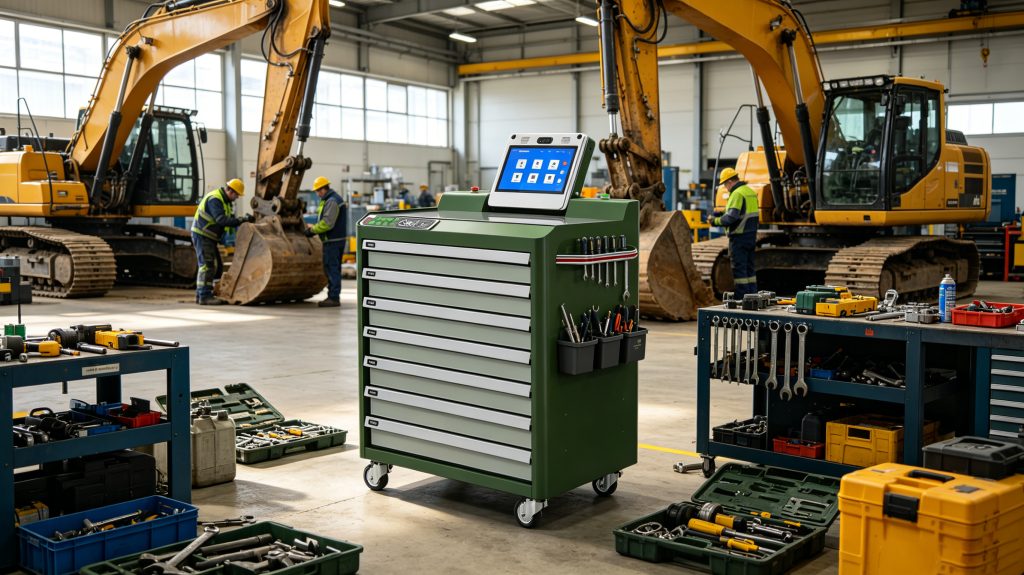
What Makes RFID Tracking Effective?
Real-Time Visibility
Traditional spreadsheets only show where assets were recorded last.RFID shows where they are now.
Automated Data Collection
Human error decreases because data collection occurs automatically whenever tagged items pass a reader.Scalability
Whether tracking 500 assets or 500,000 assets, RFID infrastructure can expand without requiring proportional increases in labor.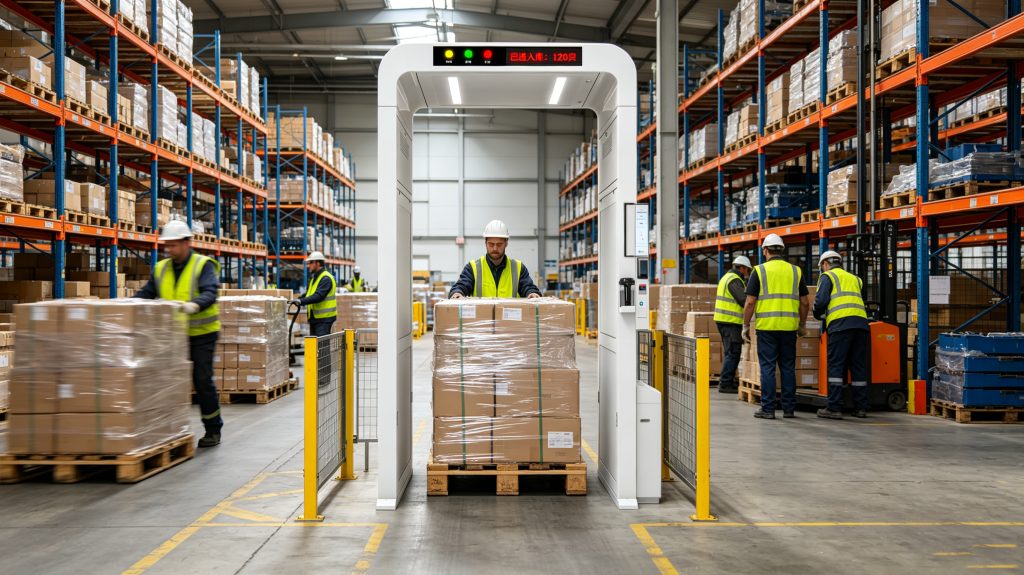
Expert Insight: The Hidden Value of Track RFID
Many organizations evaluate RFID based on labor savings alone.That is often a mistake.
The biggest return usually comes from operational certainty.
During one deployment in an industrial maintenance center, management initially focused on reducing inventory counting costs. Six months later, the greater benefit turned out to be reduced production interruptions because critical tools could be located immediately.
The inventory team celebrated faster counts.
The operations team celebrated fewer delays.
The finance team celebrated fewer replacement purchases.
Those outcomes rarely appear in initial ROI calculations, yet they often generate the largest long-term value.


评论
发表评论