RFID Warehouse Gate Projects Look Easy… Until You Actually Install One
I still remember one project where everything looked “ready” on paper.
Warehouse layout done. RFID readers selected. rfid Tags already labeled. Software dashboard even looked clean in the demo.
Then installation started.
And things slowed down… a lot more than anyone expected.
Not because the system was bad. More like the environment didn’t behave the way the drawings suggested.
Warehouse Gates Are Never as Clean as the Diagram
If you look at most RFID warehouse gate designs, they look simple:
- one entrance
- one exit
- one reader zone
- clean data flow
But real warehouses… don’t really follow that idea.
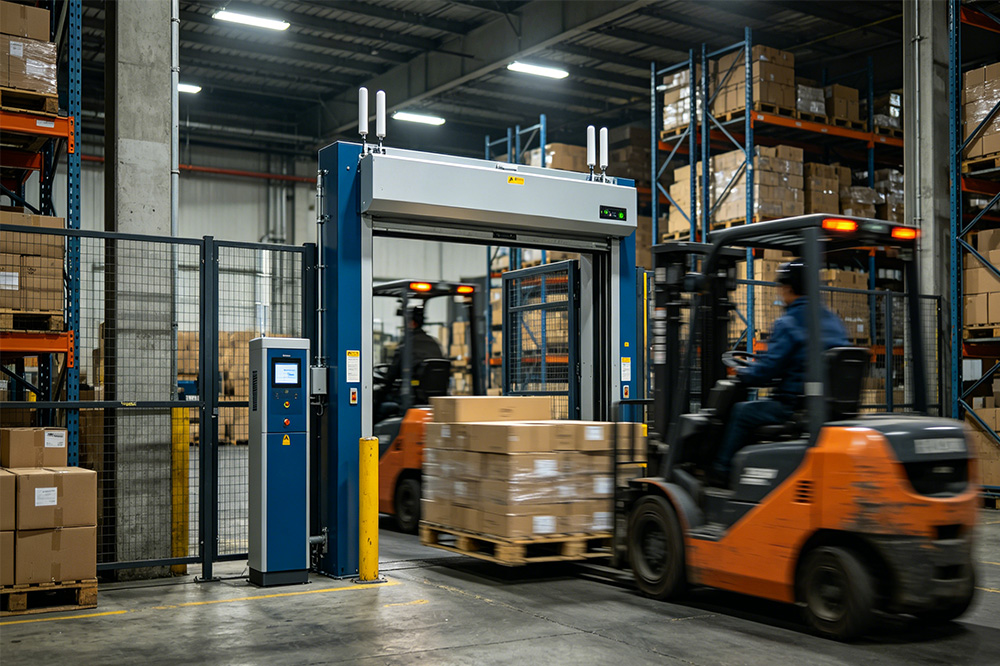
Sometimes forklifts cross diagonally. Sometimes pallets pause in the middle. Sometimes two shipments pass almost at the same time, and the system is not sure which one it just read.
That’s usually where confusion starts.
One Mistake I See Again and Again
People often start by choosing hardware first.
“Let’s pick a long range reader.”
Or
“This model has higher power, so it should be better.”
But later, after installation, they realize something strange:
more power didn’t solve the problem… it actually made data less stable.
Because the system starts reading tags from areas it was never supposed to cover.
In warehouse gates, control often matters more than strength.
When Fixed Readers Become the Real Backbone
Most warehouse automation setups still rely on fixed UHF RFID readers.
They sit quietly at:
- loading docks
- inbound/outbound gates
- conveyor checkpoints
- staging areas
If you’re comparing hardware options, this reference page is usually where integrators start looking:UHF RFID readers
But honestly, the reader alone doesn’t decide success.
It’s more like… one part of a bigger coordination problem.
Installation Reality Is Always a Bit Messy
There was one case where everything worked fine during testing.
Then live operation started.
Suddenly, tags were being detected from the wrong side of the warehouse gate.
After checking, the issue wasn’t software.
It was a steel structure placed slightly closer than the original plan.
A few centimeters difference.
That was enough to reflect signals and confuse the reading zone.
RF behaves like that. Not always predictable in the field.
Integration Is Where Projects Slow Down
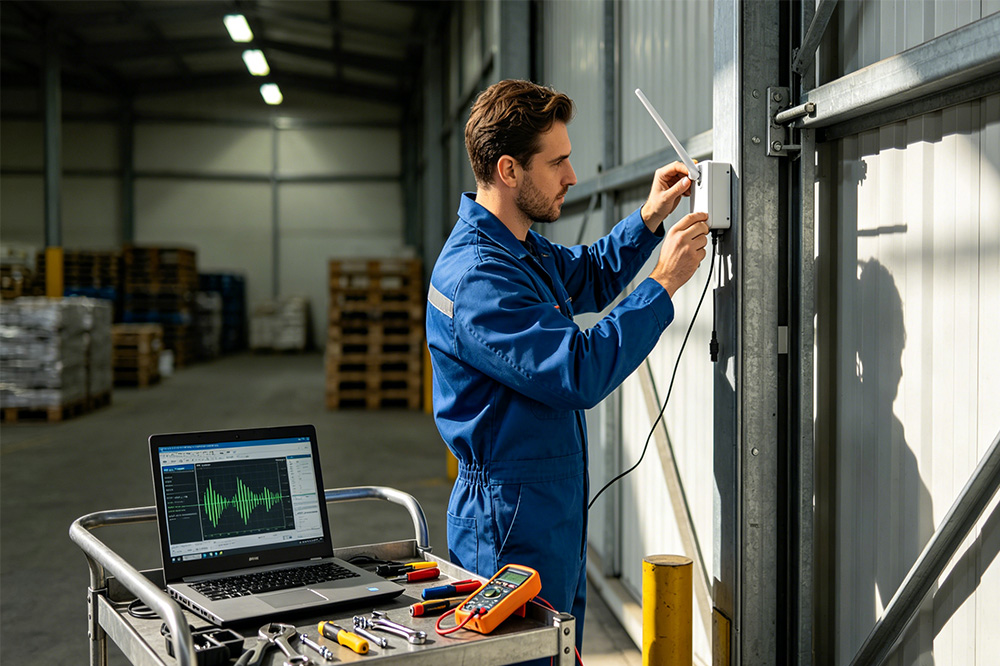
Hardware installation is usually the “fast” part.
The slow part is integration.
Engineers start asking questions like:
- why data arrives twice
- why one pallet appears in two zones
- why timestamps don’t match ERP records
- why middleware drops some reads
And it’s rarely one single cause.
It’s usually a combination of timing, antenna coverage, and software logic.
Wholesale Buyers Tend to Think Differently
When I talk with distributors or system integrators, they rarely ask only about specs.
They care more about:
- whether supply stays stable for repeat orders
- whether firmware changes unexpectedly
- whether SDK is actually usable in real projects
- whether OEM branding is supported
- whether support responds during deployment problems
Because once they start selling a solution, it’s no longer just one project.
It becomes ongoing responsibility.
A Small Pilot Usually Reveals the Truth
If there’s one thing I’d repeat more than anything else, it’s this:
don’t scale too fast.
A single warehouse gate test tells you more than a full specification sheet.
You start noticing things like:
- how fast forklifts actually move
- where drivers prefer to stop
- how often two pallets overlap in real traffic
- where metal structures interfere slightly
None of that shows up in the initial design document.
The Part People Don’t Expect
Sometimes the system doesn’t fail.
It just behaves… inconsistently.
And that’s worse in a way, because it looks “almost correct”.
That’s usually when teams start replacing hardware, when the real issue is actually placement or workflow.
Not always, but often enough that it’s worth checking first.
Closing Thought
A warehouse RFID gate project doesn’t usually fail in a dramatic way.
It just slowly becomes less trusted.
And once people stop trusting the data, even a perfectly working UHF RFID reader won’t matter much anymore.
That’s why installation detail, environment, and integration logic end up carrying more weight than people expect at the beginning.


评论
发表评论