UHF vs HF Anti Metal RFID Tags: Real Differences That Actually Matter
A lot of guides will throw specs at you when comparing UHF and HF RFID.
But specs alone don’t help much when you’re trying to make a decision.
Let’s break this down based on real use.
The Core Difference
It comes down to one thing:
Reading distance vs control
- UHF → long distance, fast
- HF → short distance, precise
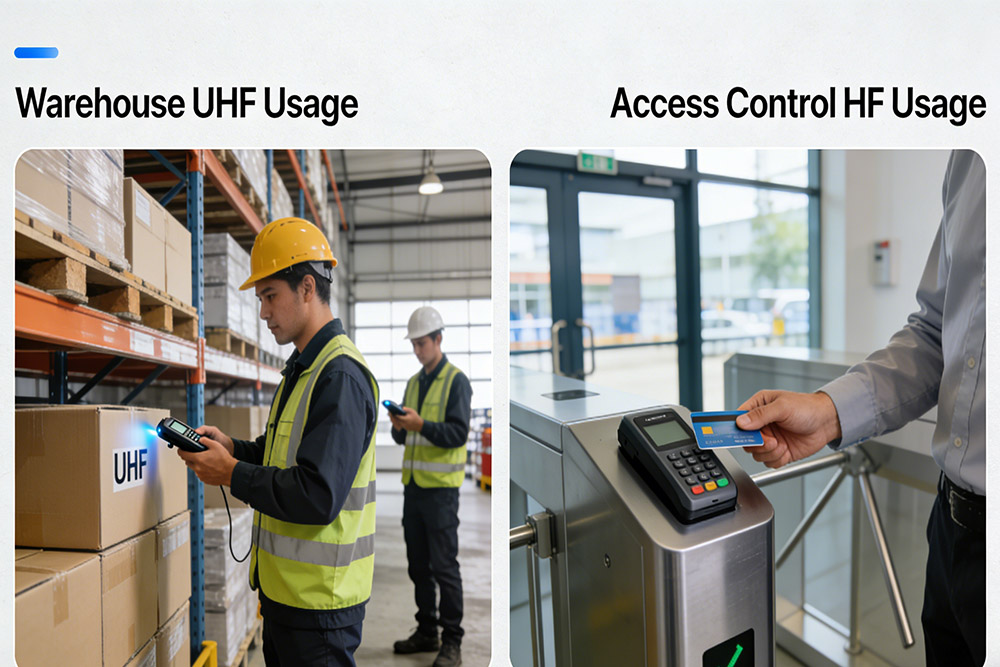
Where UHF Works Best
UHF anti metal RFID tags are widely used because they can handle scale.
You’ll want UHF if you need:
- Fast inventory counting
- Long-distance scanning
- Multiple tags read at once
Typical scenarios:
- Warehouses
- Logistics hubs
- Manufacturing tracking

Where HF Makes More Sense
HF is not about distance — it’s about control.
Use HF if you need:
- Close-range scanning
- Higher read accuracy
- Less interference in dense environments
Typical uses:
- Access control
- Secure asset tracking
- Libraries or document tracking
Cost Reality
In bulk projects:
- UHF tags → generally cheaper per unit
- HF tags → slightly higher, but more stable in certain setups
So the choice isn’t just technical — it’s also budget-driven.
What Most Industrial Buyers Choose
From real projects:
Around 70–80% go with UHF
The rest choose HF for specific needs
So unless you have a special requirement, UHF is usually the default.
Practical Advice
Don’t overthink it.
Ask yourself:
- Do I need distance? → UHF
- Do I need precision? → HF
That’s usually enough to decide.
Internal Links
Start with the basics here:
Why RFID Tags Fail on Metal
Need help selecting tags?
How to Choose the Right Anti Metal RFID Tag


评论
发表评论