RFID vs GPS for Vehicle Tracking: Which One Should You Choose?
This is one of the most common questions:
Should you use RFID or GPS for vehicle tracking?
Short answer: they do completely different jobs.
What RFID Actually Does
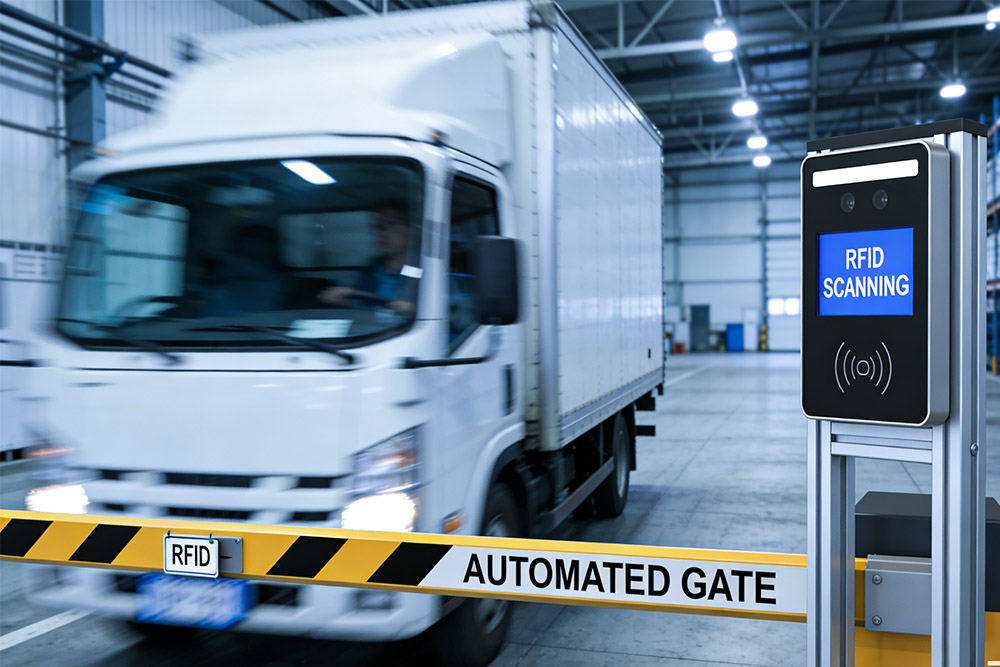
RFID identifies a vehicle when it passes a checkpoint.
It’s based on Radio-frequency identification and works best in controlled environments.
You get:
- Entry/exit logs
- Checkpoint tracking
- Access control
What GPS Actually Does
GPS tracks real-time location anywhere outdoors.
It’s based on Global Positioning System.
You get:
- Live vehicle location
- Route tracking
- Long-distance monitoring
Key Differences
| Feature | RFID | GPS |
|---|---|---|
| Real-time tracking | ❌ | ✅ |
| Gate automation | ✅ | ❌ |
| Indoor use | ✅ | ❌ |
| Long-distance tracking | ❌ | ✅ |
When to Use RFID
- Parking systems
- Factory gates
- Logistics yards
- Access control
When to Use GPS
- Delivery fleets
- Cross-city transport
- Field operations
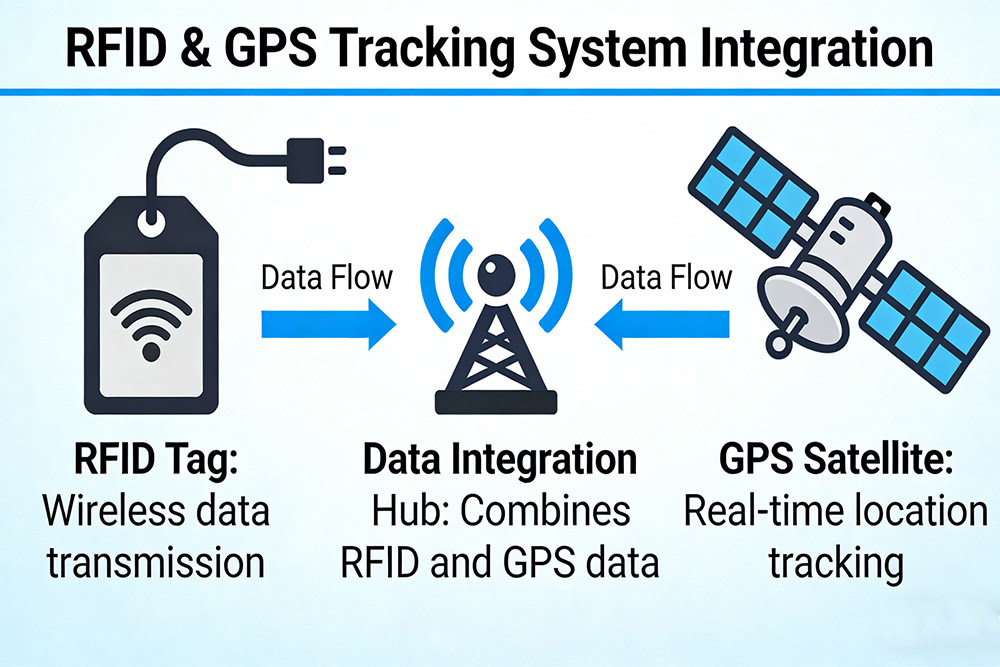
Best Practice: Use Both
Many businesses combine them:
- GPS → track vehicles on the road
- RFID → control and record entry/exit
Recommended RFID Tags
If you need RFID for your system:
Check here:rfid tags for vehicle tracking
Final Thoughts
RFID is about identification at specific points.
GPS is about continuous tracking.
They’re not competitors—they’re tools for different jobs.


评论
发表评论