RFID vs Barcode for Inventory: Where the Real Difference Shows
Most businesses start with barcodes. They’re simple, cheap, and easy to use.
But once operations grow, the limits become obvious.
The Problem with Barcodes
Barcodes depend on line-of-sight. That means every item has to be seen and scanned individually.
That’s fine when volume is low. Not when you’re dealing with thousands of items.
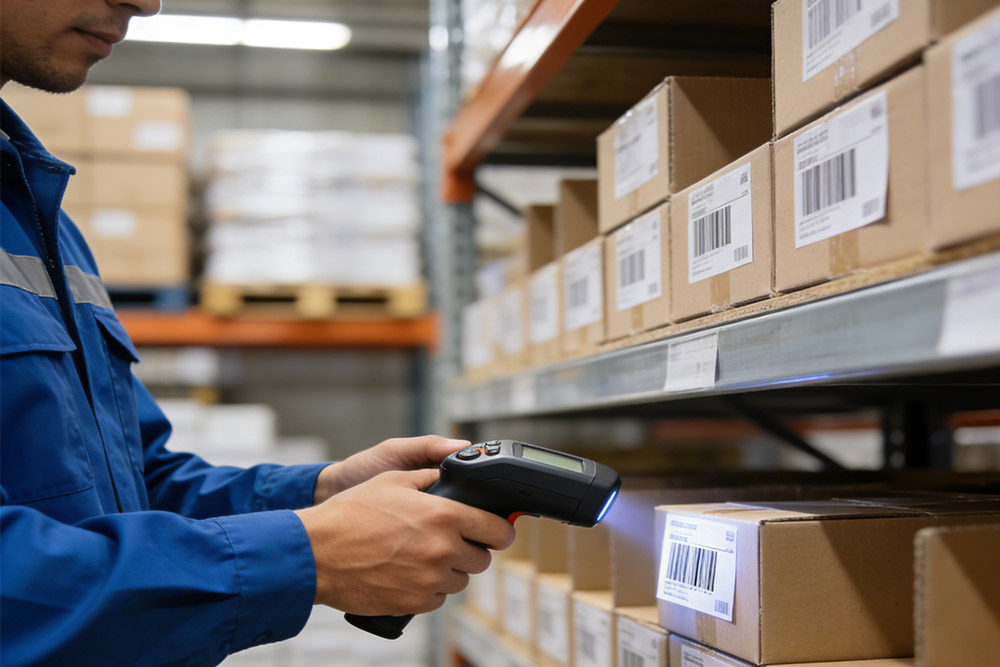
Common issues:
- Slow inventory checks
- High labor involvement
- Missed or duplicate scans
What Changes with UHF RFID
With ultra high frequency RFID tags, scanning becomes a different process.
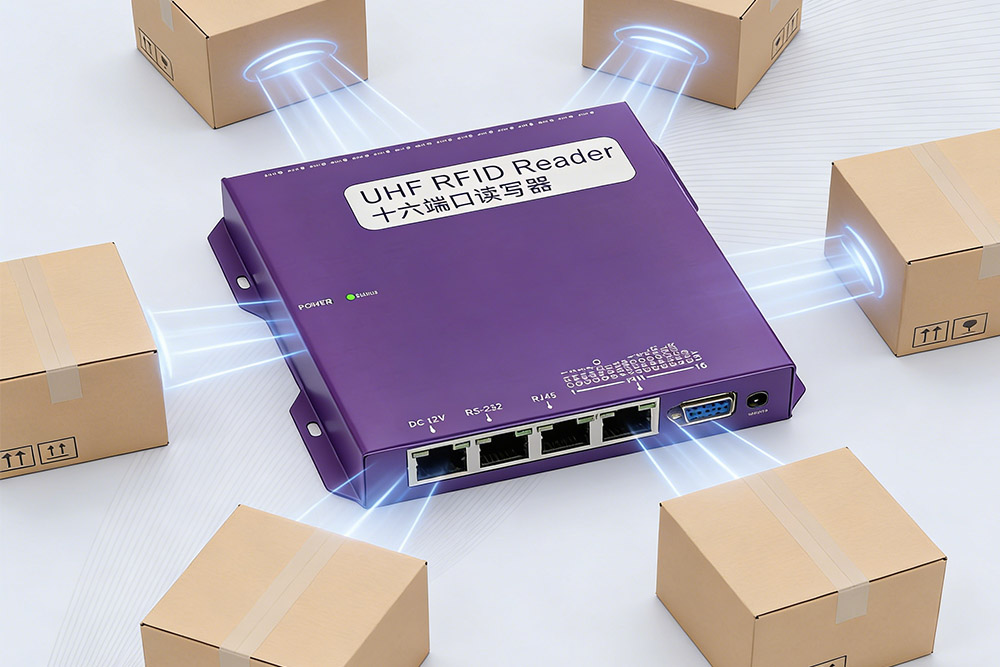
You don’t scan items—you scan areas.
A reader can capture multiple tags at once, even if they’re inside boxes or stacked together.
In a warehouse or library, this makes a big difference.
Labor Is Where the Cost Adds Up
A lot of people compare only hardware cost. That’s misleading.
The real cost is time.
If your team spends hours scanning items manually, that’s ongoing cost every day.
RFID reduces that workload significantly. In many cases, inventory that took a full day can be done in under an hour.
Accuracy Improves Too
Manual processes always come with errors.
RFID systems reduce human involvement, which means fewer mistakes and better data.
That’s especially important if you rely on inventory data for decision-making.
When It’s Worth Switching
RFID makes sense when:
- You have high inventory volume
- You need frequent stock checks
- Speed matters
Libraries are a good example. With UHF RFID book tags, entire shelves can be scanned quickly without touching each book.
Final Thought
Barcodes still have their place.
But if you’re scaling up, RFID isn’t just faster—it changes how the whole workflow operates.


评论
发表评论