How to Choose the Right Anti Metal RFID Tag (Practical Guide for Bulk Buyers)
When you start sourcing anti metal RFID tags, it’s easy to think they’re all the same.
They’re not.
And if you’re buying hundreds or thousands of pieces, choosing the wrong one can slow down your entire project.
Let’s walk through what actually matters — no fluff.
1. Size vs Performance
Here’s the simple rule:
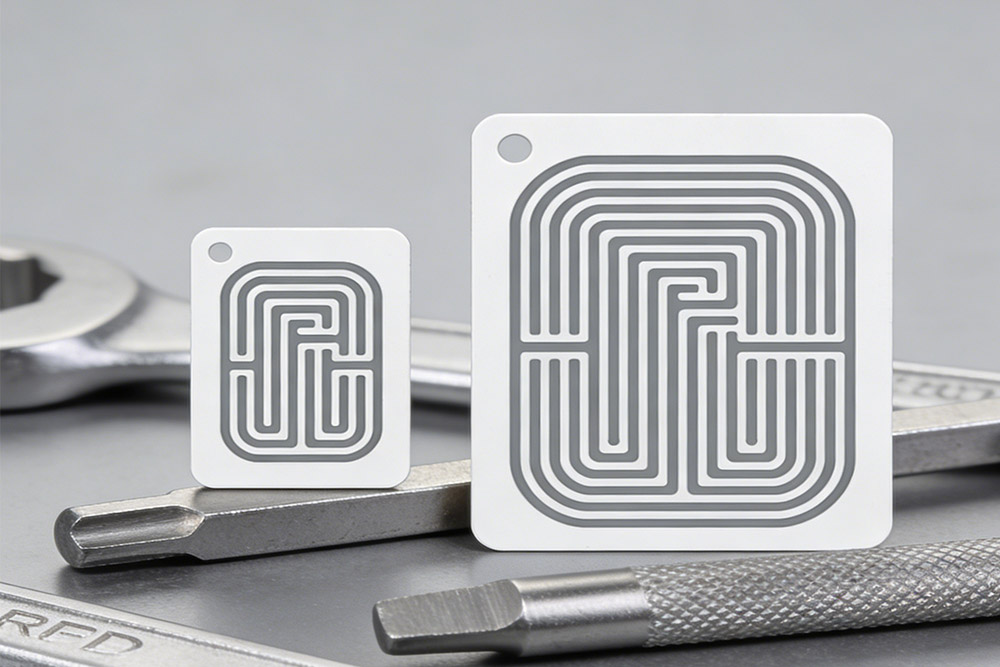
Bigger tag = longer read range
Smaller tag = easier installation
But there’s always a trade-off.
- Small tags → good for tools, tight spaces
- Large tags → better for pallets, containers
Don’t just choose based on price — choose based on your asset type.
2. Frequency Choice
You’ll mainly choose between:
- UHF → long range, fast scanning
- HF → short range, high accuracy
If your project involves:
- Warehouse
- Logistics
- Bulk reading
UHF is usually the better choice
3. Mounting Method
This part is easy to ignore — until installation starts.
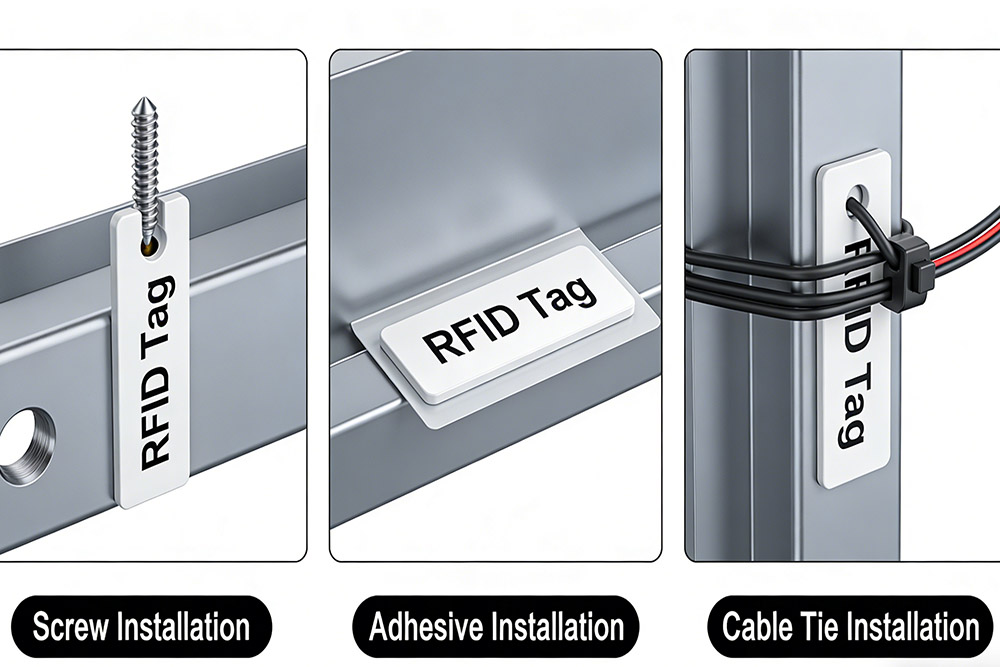
Common options:
- Screw mount → very secure, permanent
- Adhesive → fast but may fail in harsh environments
- Cable tie → flexible for temporary assets
Think about who will install them and how long they need to last.
4. Environment Resistance
In industrial use, conditions are rarely “clean”.
Check for:
- Heat resistance
- Waterproof rating (IP67/IP68)
- Shock and vibration resistance
- Chemical exposure tolerance
Skipping this step is one of the most common mistakes.
5. What Bulk Buyers Should Really Check
If you’re sourcing from a supplier, don’t just look at price.
Focus on:
- Sample testing before order
- Consistency between batches
- Chip type and memory
- Lead time and supply stability
A cheap tag that fails later is not cheap
Real Buyer Tip
Always test tags in your actual environment, not just in a lab.
Metal type, spacing, and reader setup all affect performance.
Internal Links
New to the basics? Start here:
Why RFID Tags Fail on Metal Surfaces
Still deciding tech? Read:
UHF vs HF Anti Metal RFID Tags Explained


评论
发表评论