Anti Metal RFID Tag: Why Standard RFID Tags Fail on Metal Surfaces
If you’ve ever tried using a regular RFID tag on a metal surface, you probably already know the result — it just doesn’t work properly.
Sometimes it reads weak. Sometimes it doesn’t read at all.
That’s exactly why anti metal RFID tags exist.
Why Standard RFID Tags Fail on Metal
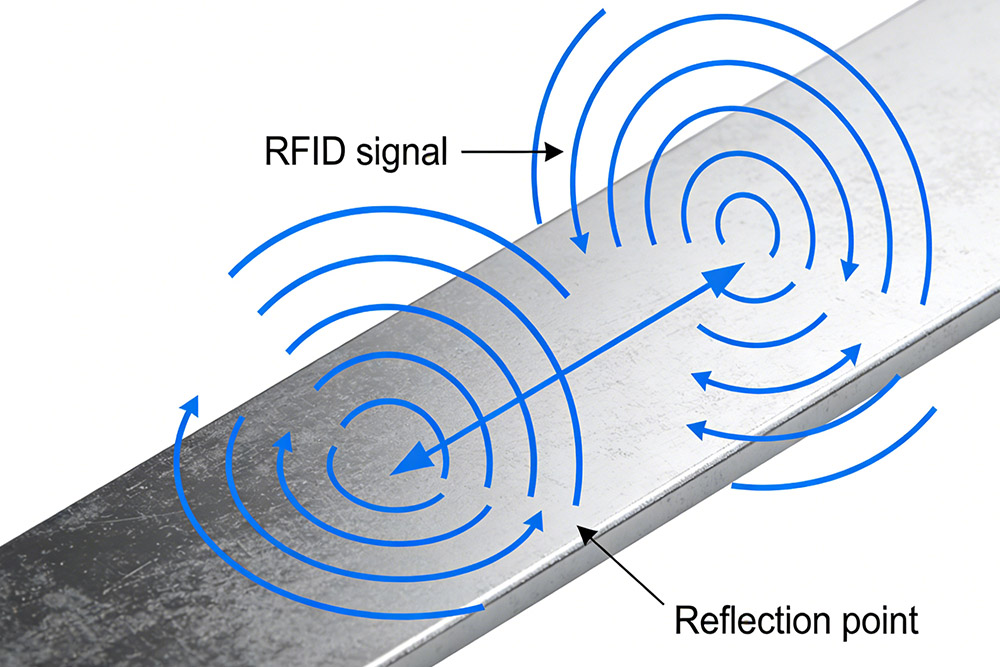
Metal interferes with radio frequency signals. In simple terms, it reflects and absorbs the signal coming from the RFID reader.
Here’s what usually happens:
- Signal gets bounced away
- Tag antenna detunes
- Reading distance drops to near zero
This is a big problem in industries like:
- Warehouse management
- Tool tracking
- IT asset tracking
- Manufacturing lines
What Is an Anti Metal RFID Tag?
An anti metal RFID tag is designed with a special insulating layer (usually foam or ferrite) between the tag antenna and the metal surface.
That layer does one job:
It prevents signal interference from the metal.
Where These Tags Are Used
Anti metal RFID tags are widely used in:
- Steel equipment tracking
- Oil & gas pipelines
- Server racks and IT assets
- Industrial containers
- Logistics cages
Basically, if it’s metal — you need this type of tag.
Internal Reading
If you’re still choosing the right tag, check this guide:
How to Choose the Right Anti Metal RFID Tag for Industrial Use
And if you care about performance:
UHF vs HF Anti Metal RFID Tags: Which One Works Better?
Product Recommendation
If you need a stable solution for metal environments, you can check this:Metal RFID Tags
Rfid Security Tags Guide


评论
发表评论