Where to Find RFID Modules Compatible with Industrial Protocols
If you’ve ever tried dropping a standard RFID module into a factory setup, you probably ran into the same problem: it reads tags just fine… but getting data into your PLC or MES system is a different story.
That’s where industrial protocol compatibility becomes the real deciding factor.
Let’s break down where to find the right modules—and what to look for so you don’t waste time on something that won’t integrate.
What “Industrial Protocol Compatible” Actually Means
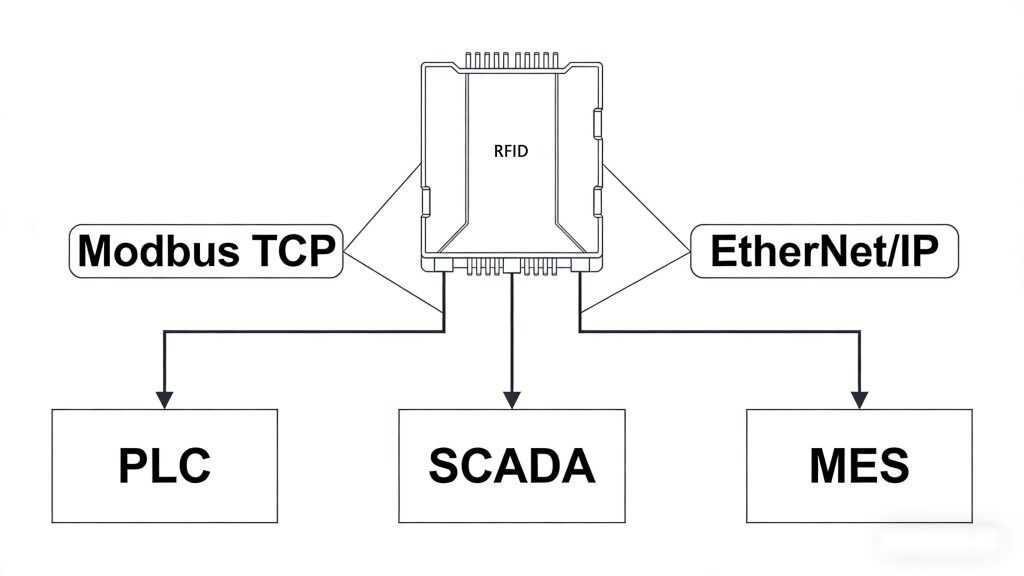
In industrial environments, RFID modules don’t work in isolation. They need to talk to:
- PLCs (Siemens, Allen-Bradley, etc.)
- SCADA systems
- MES / ERP platforms
That’s why protocols matter more than raw RF performance.
The most common ones you’ll see are:
- PROFINET
- EtherNet/IP
- Modbus TCP
- EtherCAT
Some industrial-grade RFID modules support these directly, acting like native devices on the network rather than just serial peripherals.
Option 1: Fully Industrial RFID Modules (Plug-and-Play with PLCs)
If your project is heavily PLC-driven, this is usually the easiest route.
Vendors like Turck or similar industrial automation brands offer multiprotocol RFID modules that:
- Work as PROFINET / EtherNet/IP / Modbus devices
- Have built-in Ethernet switches
- Support harsh environments (IP67/IP69K)
- Connect directly to multiple read heads
These are designed to drop straight into a control cabinet or machine network without extra middleware.
Downside:
They’re reliable—but expensive and less flexible if you need custom logic or embedded systems.
Option 2: Embedded RFID Modules (Flexible + Cost-Effective)
This is where most system integrators and OEMs end up.
Instead of a full industrial “black box,” you use an embedded module and connect it to:
- Industrial PC
- Edge gateway
- ARM board / Raspberry Pi
- Custom controller
A good example is this:https://www.cykeorfid.com/uhf-embedded-rfid-modules/
These types of modules are designed to be built into your own hardware, not just installed.
What makes them practical:
- Standard interfaces like UART / USB / GPIO
- SDK + API support for custom integration
- Easy connection to PLC via gateway or middleware
- Compatible with IoT and MES systems through software layers
For example, some UHF modules support REST APIs and SDKs, making it easier to bridge RFID data into ERP or industrial systems.
👉 Real-world setup usually looks like this:
RFID module → edge controller → protocol conversion → PLC / MES
It’s one extra step, but way more flexible.
Option 3: Hybrid Approach (Module + Protocol Gateway)
Honestly, this is what a lot of factories end up doing.
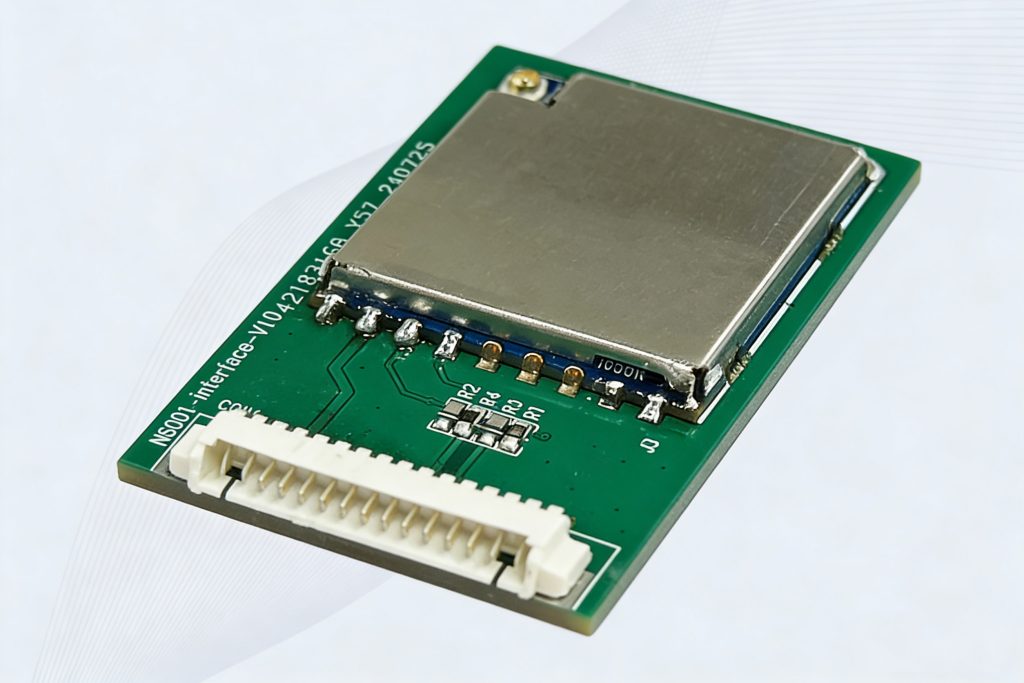
Instead of forcing the RFID module to speak industrial protocols directly, you:
- Use an embedded RFID module
- Connect it to an industrial gateway
- Convert data to:
- Modbus TCP
- EtherNet/IP
- MQTT (for cloud)
This gives you:
- Lower hardware cost
- Easier upgrades
- Better scalability
And you’re not locked into one vendor’s ecosystem.
How to Choose the Right One
Here’s the simple way to decide:
Go with industrial protocol modules if:
- You need fast PLC integration
- You don’t want to write code
- Budget isn’t tight
Go with embedded modules if:
- You’re building your own device/system
- You need customization (logic, filtering, edge processing)
- You want better cost control
One Thing People Often Overlook
It’s not just about protocol support—it’s about system architecture.
Even if a module supports Modbus or EtherNet/IP, you still need to think about:
- Data buffering (don’t lose reads)
- Latency between reads and PLC cycles
- Handling multiple tags (anti-collision, filtering)
A lot of real deployments rely on edge processing before sending clean data upstream.
Final Thoughts
There’s no single “best” RFID module for industrial protocols—it depends on how deep you’re integrating into the automation stack.
- Need plug-and-play with PLC? → go industrial modules
- Building your own system? → embedded modules are the better move
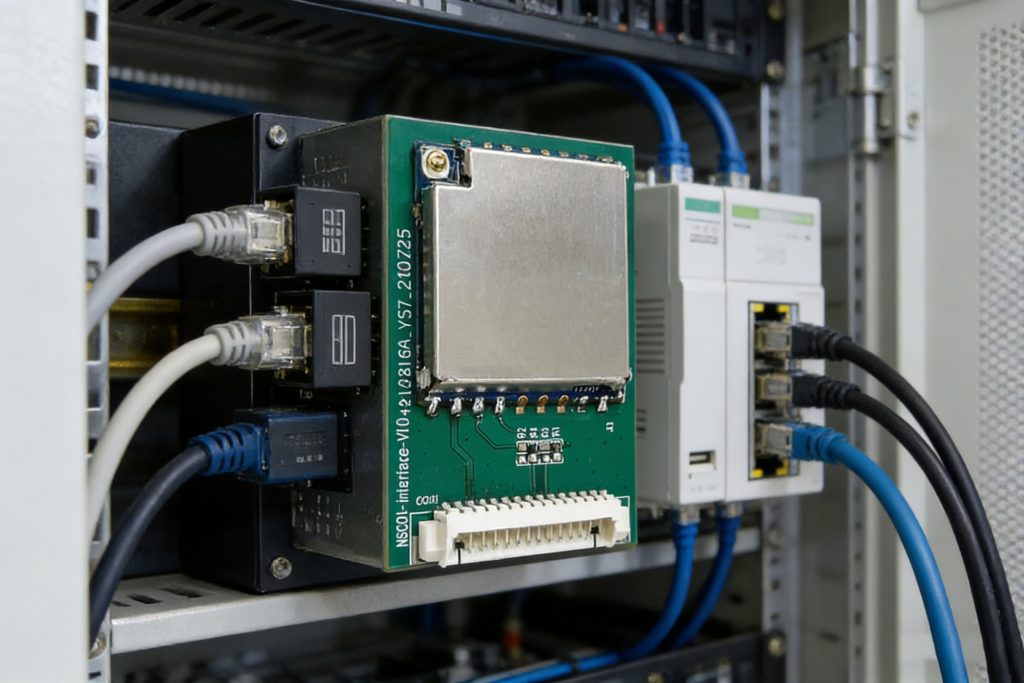
If you’re doing anything beyond a simple read point, embedded solutions like the one above usually give you more control in the long run.


评论
发表评论