The Best RFID Tags for Your Application: 7 Things to Think About
Picking the right RFID tag isn’t just slapping a sticker on something. The wrong tag can cause missed reads, slow your system down, or cost extra money. Whether you’re tracking inventory, tools, pallets, or equipment, there are some basic things to keep in mind.
Here are 7 key things to think about before choosing RFID tags.
1. Frequency
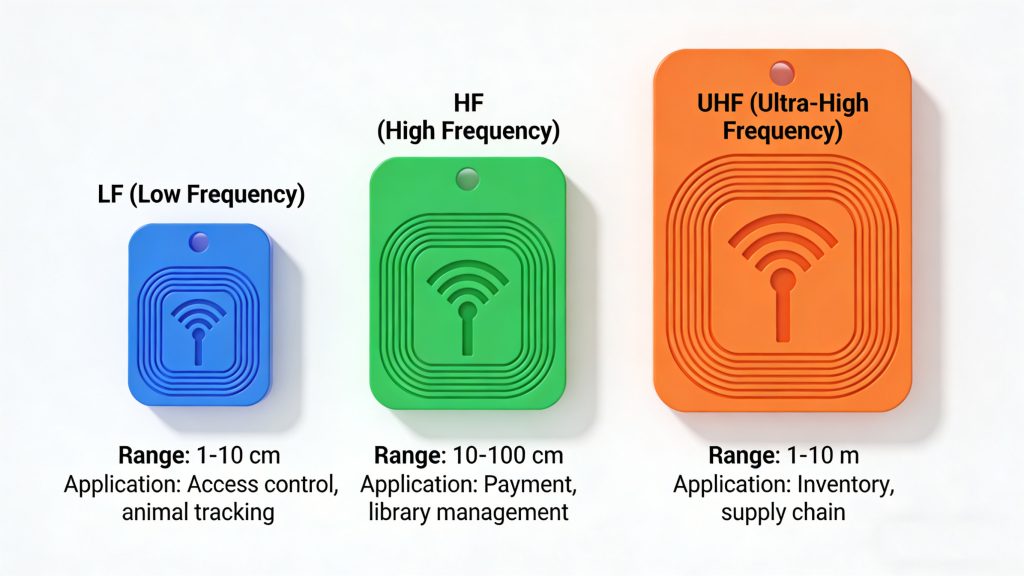
RFID tags work on different frequencies. The main ones are:
- Low Frequency (LF) – Short range, works well on metal and near liquids.
- High Frequency (HF) – Medium range, often used for books, smart cards, or contactless payments.
- Ultra High Frequency (UHF) – Long range, good for warehouses, pallets, and logistics.
Pick the frequency that matches how far you want to read and what your environment is like. UHF is great if you want to scan many pallets at once. HF or LF is better for things that sit near metal or liquid.
2. How Far You Need to Read
Think about the distance between the tag and the reader.
- Short range: a few inches to a meter (LF/HF tags)
- Long range: 3–12 meters or more (UHF tags)
If your items are hidden in boxes or on shelves, you’ll need tags and readers that can still pick them up. Placement matters—sometimes just moving the tag a little improves reads a lot.
3. Tag Shape and Size
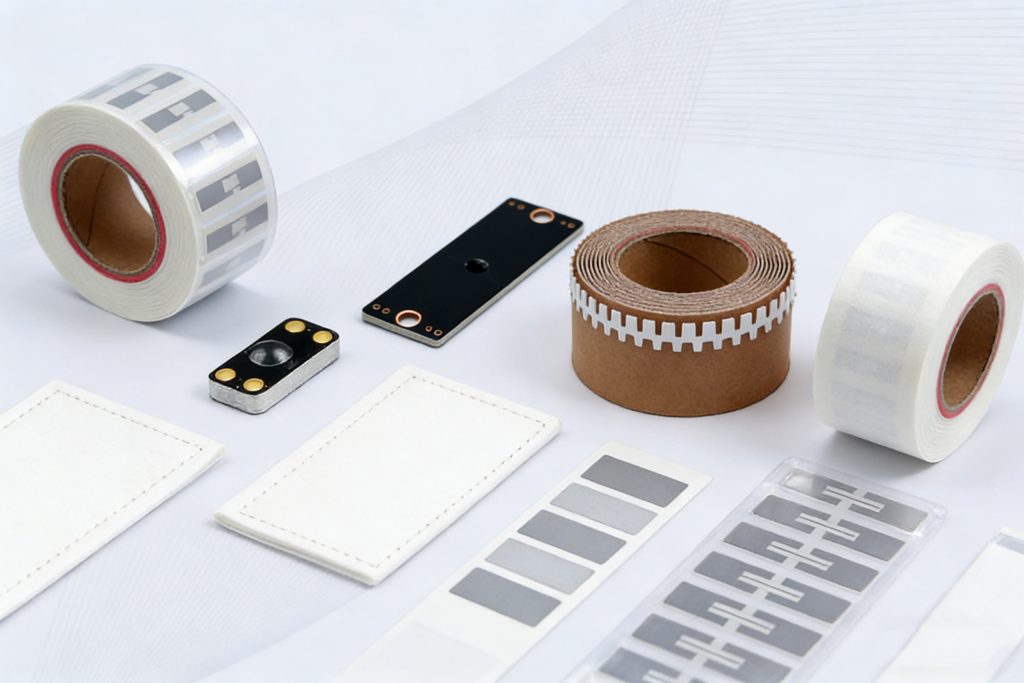
Tags come in many shapes:
- Labels – Stick-on tags for boxes or paper packaging
- On-metal tags – Special tags that work directly on metal
- Cable tie tags – Wrap around tools, pipes, or equipment
- Rugged industrial tags – For outdoor, heat, chemicals, or rough use
Pick the type that fits where you want to put it. A simple sticker won’t survive high heat, rain, or rough handling.
4. Durability and Environment
Where the tags live makes a big difference:
- Indoor vs. outdoor – Sunlight, rain, and moisture can damage some tags
- Temperature extremes – Some industrial tags handle heat or freezing cold
- Chemicals or rough handling – Some tags resist oil, solvents, and scratches
Durable tags last longer and save you from having to replace them often.
5. Memory and Data
Most RFID tags just store a unique ID number, which links to your database. That’s enough for tracking.
Some tags can store extra info, like:
- Product type or batch number
- Maintenance dates
- Expiration info
Think about whether you need this extra info on the tag itself or if your system will keep it in the database.
6. Cost vs. Quantity
How much tags cost matters if you’re tagging thousands or millions of items.
- Passive tags are cheap, perfect for most uses
- Active tags cost more, but read further and can do more
Balance your budget with what you actually need. Sometimes spending a little more prevents big problems later.
7. Legal and Standards
Check the rules where you’re using the tags:
- Different countries allow slightly different UHF frequencies
- Some industries, like healthcare or aviation, have extra standards
Picking compliant tags saves headaches during deployment.
Final Thoughts
The best RFID tag depends on where it will go, how far you need to read it, what shape fits, how tough it needs to be, how much data it stores, cost, and regulations.
A tag that works perfectly on a cardboard box may fail on metal tools or outdoor equipment. Testing a few options first is always a smart move.
Pick the right tag, and your system runs smoothly. Pick the wrong one, and even the best reader can’t fix it.


评论
发表评论