RFID on Metal: Things You Should Know + How to Choose the Right Metal RFID Tags
Metal surfaces and RFID don’t always get along well. If you’ve ever tried sticking a regular RFID tag directly onto a metal tool, box, or machine and watched it fail to read properly… you know the frustration.
Metal reflects and absorbs radio waves in odd ways, which can make regular tags almost useless. But with the right metal RFID tags, you can solve this problem and get consistent reads on metal objects—without expensive workarounds.
This article walks through what you should know about RFID on metal, and how to choose the right tag for your situation.
Why Regular RFID Tags Struggle on Metal
RFID tags communicate with readers using radio waves. When those waves hit a metal surface, they don’t behave nicely. They:
- Reflect unpredictably
- Cancel out parts of the signal
- Block the tag’s ability to “talk back” to the reader
So if you slap a normal RFID label on a steel cabinet or metal tool case, chances are good it won’t behave the way you want. Reads might be inconsistent, too short, or not happen at all.
That’s why specialized RFID tags for metal exist—they’re designed to deal with this issue.
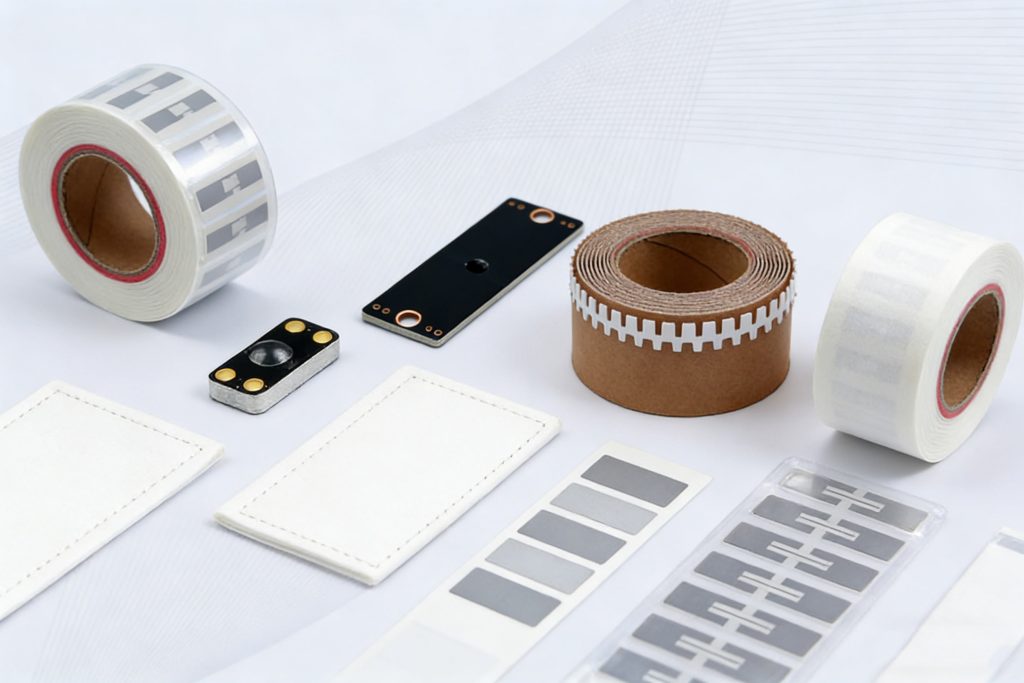
What Makes Metal RFID Tags Different
Metal RFID tags, like the ones available in the industrial metal RFID tags section on Cykeo, are built to work right on metal surfaces.
The key differences:
✔ Spacing or Insulation Layers
Metal tags often have a layer inside that keeps the antenna separated from the metal. This prevents the radio waves from being absorbed or distorted.
✔ Antenna Designed for Metal
The antenna geometry and materials are optimized to work in proximity to metal so you still get a good read range.
✔ Rugged Housing
Industrial metal tags usually come in tough casings that survive:
- Heat
- Cold
- Moisture
- Chemical exposure
- Vibration and impact
All of this makes them suitable for warehouses, factories, outdoor environments, and industrial zones.
Typical Uses for Metal RFID Tags
Here are a few places you might want metal RFID tags:
- Tool tracking – Attach to wrenches, drills, cabinets
- Asset management – Track metal equipment, machines, vehicles
- Inventory on metal shelves – Pallets or racks
- Returnable containers & totes – Many have metal parts
- Containers and crates – Especially in logistics
In all these cases, metal RFID tags make tracking more reliable and predictable than using regular tags.
Choose the Right Tag Based on Where and How You’ll Use It
When picking a metal RFID tag from a product range like Cykeo’s, consider these factors:
Tag Size and Shape
- Small tags for handheld tools
- Larger tags for pallets or equipment
- Cable tie tags for hanging on irregular shapes
Read Range Needed
Some metal tags read only a couple of feet, others can be read from several meters away with a good reader setup. Think about how far the reader needs to see the tag in your application.
Environment Toughness
If you’re in a factory with oil, moisture, or dust, you want tags that can take abuse. Many industrial metal tags are IP-rated or have rugged encapsulation.
Passive vs. Active
Most metal tags are passive (no battery, cheaper, longer life). If you need long-range or sensor data, consider active tags—but those are more expensive and larger.
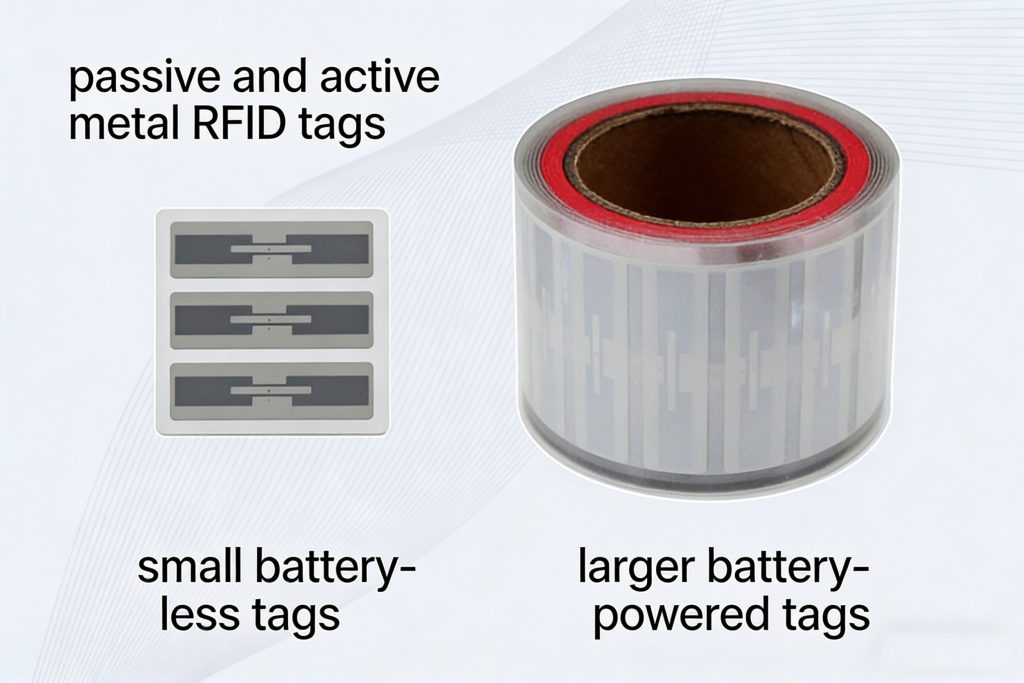
Some Common Metal RFID Tag Types
Here are practical examples of metal RFID tags used in real setups:
Tools & Small Equipment Tags
Designed to stick to handheld tools or equipment cases. Great for toolroom management and asset checkout systems.
On‑Metal UHF Tags
Works well when you need longer read ranges or are scanning pallets on metal racks.
Cable Tie Style Tags
Perfect for irregular or round surfaces like pipes or framed equipment.
Rugged Industrial Tags
Encapsulated for harsh environments like outdoor yards, automotive plants, or metal fabrication facilities.
You can browse these types and more here
Quick Tips to Improve Metal RFID Performance
Here are some simple, practical tips that help in real projects:
- Test a few tags before buying a lot – Small sample tests save time and money.
- Avoid tag placement near sharp edges or corners – Flat surfaces usually read better.
- Use a proper antenna setup – Sometimes an antenna angle change beats changing tags.
- Document what works and what doesn’t – This helps future deployments.
Final Thoughts
Tracking metal assets doesn’t have to be frustrating if you choose the right tag. Metal RFID tags are designed to deal with the quirks of metal surfaces, giving you more reliable reads in warehouses, factories, and logistics environments.
Whether you’re tagging tools, equipment, shelves, or containers, picking the right tag size, shape, and toughness makes all the difference.
If you’re ready to explore a variety of metal RFID tags that actually work on metal surfaces, check out the lineup here
RFID Tag Guide


评论
发表评论