RFID for Tool Tracking: Stop Losing Tools and Start Managing Them Properly
If you’ve ever worked on a job site, factory floor, or maintenance shop, you already know this problem:
tools disappear, get misplaced, or no one remembers who took them.
That’s exactly where RFID for tool tracking comes in.
Instead of guessing, checking spreadsheets, or asking around, RFID gives you a clear answer — what tools you have, where they are, and who used them.
What Is RFID Tool Tracking
At its core, RFID tool tracking is pretty straightforward:
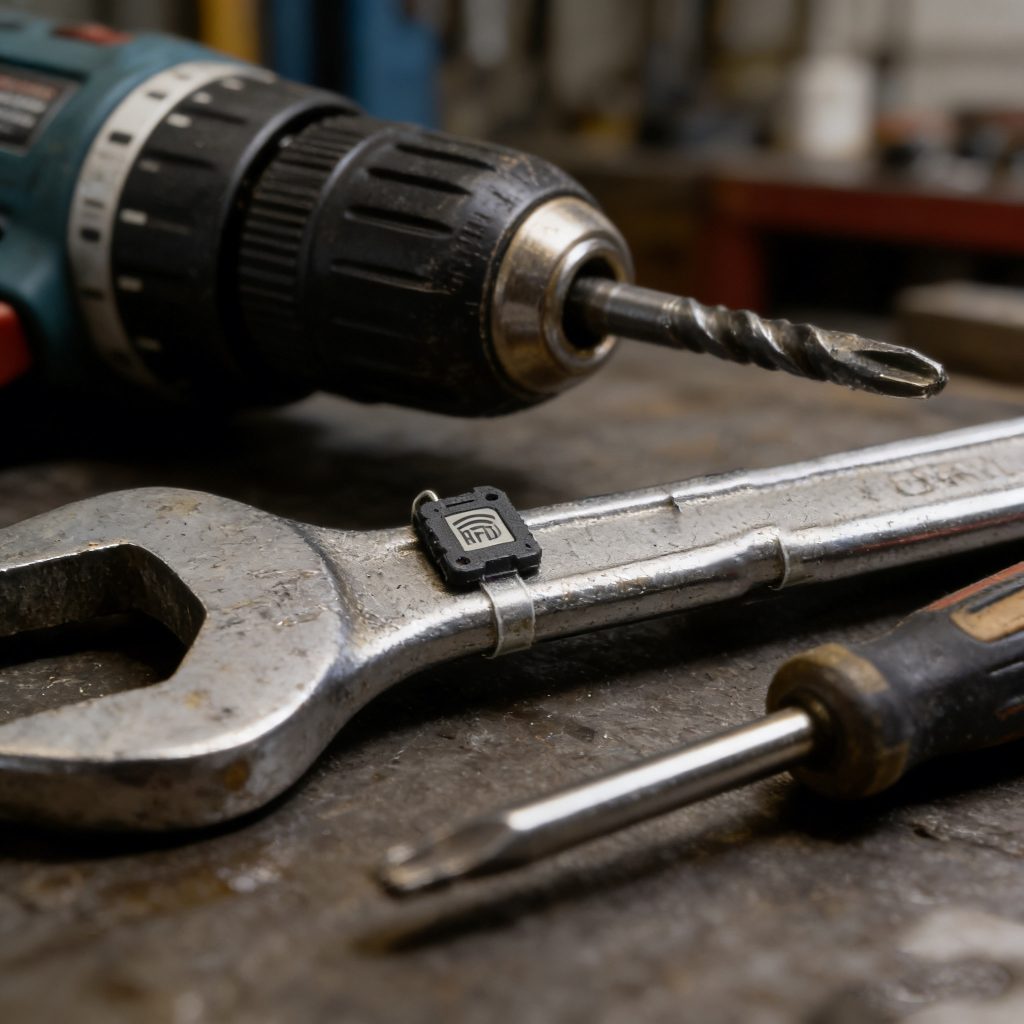
- Attach an RFID tag to each tool
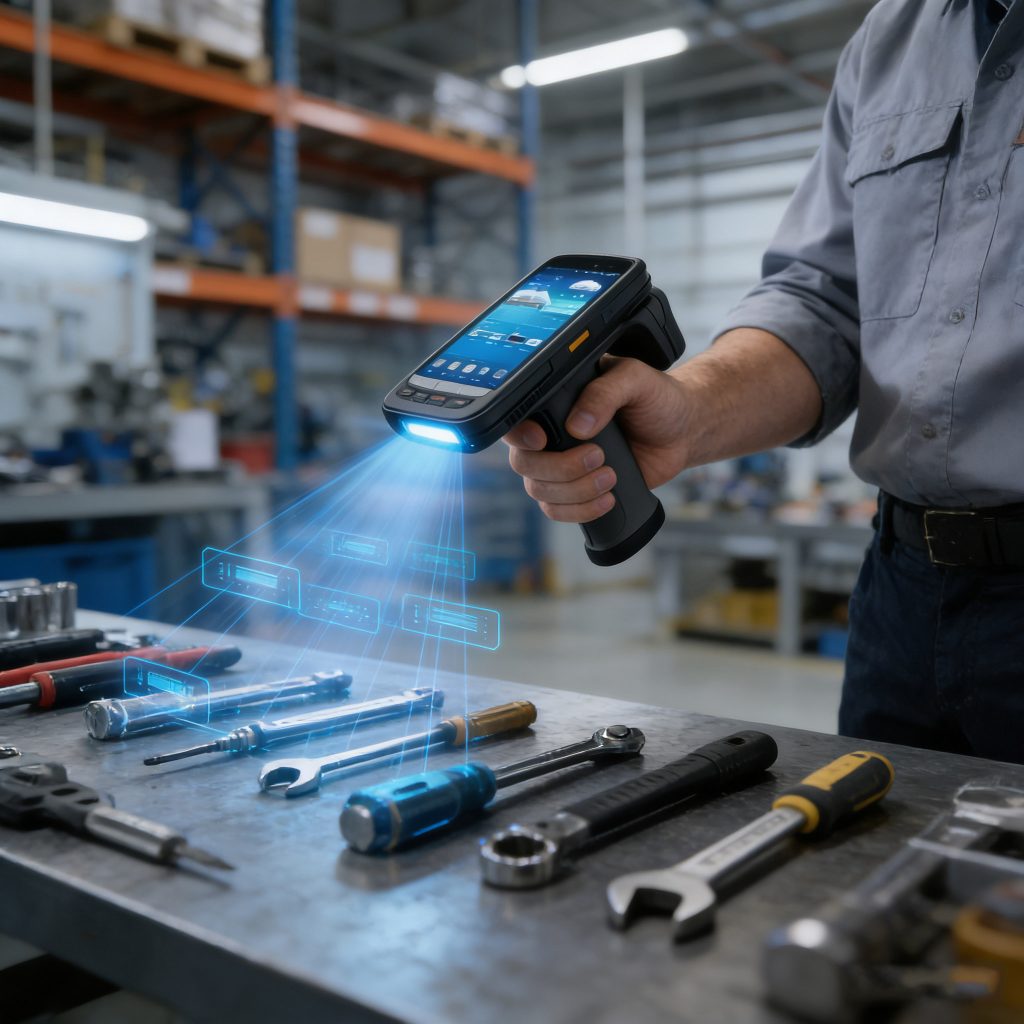
- Use RFID readers to scan them
- Store and manage the data in software
Once set up, every time a tool moves, gets taken, or returned, the system records it automatically.
No manual logging. No missed entries.
RFID systems are widely used across industries like construction, manufacturing, healthcare, and tool rental because they can track tools of all sizes—even metal ones with the right tags .
How RFID Tool Tracking Works in Real Life
A typical setup looks like this:
1. Tagging tools
Every tool gets a unique RFID tag.
These tags can store data like:
- Tool ID
- Maintenance history
- Usage records
2. Reading tools
There are two common ways:
Fixed system (most powerful)
- Installed in cabinets, rooms, or tool cribs
- Automatically scans tools when doors open or close
- Works 24/7 without human effort
Handheld system (flexible)
- Staff scan tools manually
- Useful for field work or audits
Most companies actually use both together .
Why Companies Are Switching to RFID for Tool Tracking
Let’s be real—people don’t switch systems unless there’s a clear benefit.
Here’s what RFID actually fixes:
1. Tools stop “disappearing”
RFID shows:
- Last seen location
- Who used it
- When it was removed
That alone cuts down loss and theft significantly .
2. Inventory becomes automatic
Instead of counting tools one by one:
- RFID scans multiple items at once
- No line-of-sight needed
- Inventory updates instantly
That means faster audits and fewer mistakes .
3. Faster check-in / check-out
With RFID:
- Tools don’t need to be scanned individually
- Entire cabinets or zones can be read in seconds
This removes bottlenecks and saves time on every shift .
4. Better tool utilization
You can clearly see:
- Which tools are used most
- Which ones sit idle
- When to buy or replace
That’s real data, not guesswork.
5. Maintenance becomes predictable
RFID systems track:
- Usage frequency
- Last maintenance date
So you can schedule service before tools fail—not after.
Real Problem: Manual Tracking Just Doesn’t Work
A lot of companies still rely on:
- Paper logs
- Excel sheets
- Barcode scanning
The issue?
- People forget
- Data gets missed
- No real-time visibility
RFID solves this by automating data capture completely, reducing human error and improving accuracy .
The Smart Upgrade: RFID Tool Cabinets
If you want something more “plug-and-play” (instead of building a full system from scratch), smart cabinets are becoming the go-to option.
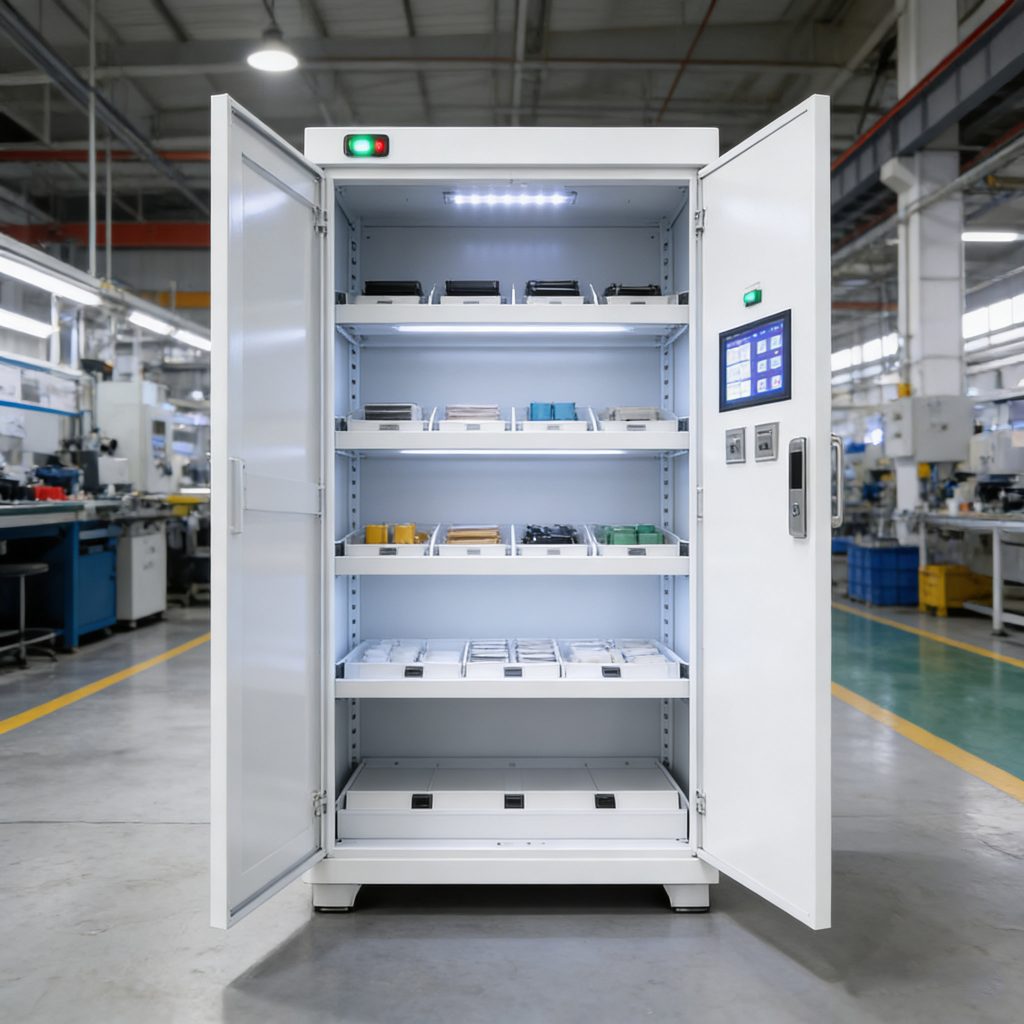
For example, solutions like CK-GT1 rfid smart tool cabinet
combine everything into one system:
- Built-in RFID reader
- Controlled access (who can open the cabinet)
- Automatic logging of tool removal and return
- Real-time inventory inside the cabinet
This setup is especially useful for:
- Factories
- Maintenance teams
- Aviation / MRO
- High-value tool management
Instead of tracking tools across a whole warehouse, you control them at the source.
Common Challenges
Metal tools
RFID and metal don’t always get along.
Solution:
- Use on-metal RFID tags
- Add slight spacing if needed
Small tools
Not much space to attach tags.
Solution:
- Use mini RFID tags
- Embed or epoxy them
Harsh environments
Heat, oil, water, impact.
Solution:
- Industrial-grade tags
- Rugged mounting methods (screws, rivets)
ROI: Why RFID Actually Pays Off
The biggest return isn’t “cool tech”—it’s money saved.
RFID helps you:
- Reduce tool loss
- Avoid unnecessary purchases
- Cut labor time
- Improve operational efficiency
In many cases, companies justify the system just by reducing tool replacement costs alone .
Final Thoughts
If you’re managing:
- Hundreds or thousands of tools
- Multiple teams or shifts
- High-value equipment
Then RFID isn’t “nice to have”—it becomes necessary.
Start simple:
- Tag your tools
- Add a reader or cabinet
- Build from there
Once you see real-time visibility in action, it’s hard to go back.
RFID for Tool Tracking Guide


评论
发表评论