How Different Types of RFID Readers Work: Fixed, Handheld, and Mobile
RFID technology often looks simple from the outside. A tag gets detected, data appears in the system, and inventory magically updates.
But behind that process is a piece of hardware doing the real work: the RFID reader.
And not all readers are built the same. Depending on the environment, companies typically choose between fixed RFID readers, handheld rfid readers, and mobile/portable rfid readers. Each type solves a different operational problem — and choosing the wrong one can make an RFID system far less effective.
Let’s walk through how each type works and where they actually make sense in real-world deployments.
The Basic Working Principle of RFID Readers
Before comparing reader types, it helps to understand how RFID works at the hardware level.
Every RFID system includes three core components:
RFID tags
RFID reader
RFID antenna
The reader sends out radio waves through the antenna. When an RFID tag enters the signal range, it receives energy from the reader and responds by transmitting its stored data back. The reader captures that signal and sends the information to the software system for processing.
This communication happens extremely fast, allowing readers to identify multiple tags simultaneously without requiring direct line-of-sight scanning.
What changes between reader types is how the reader is deployed and how the data is captured.
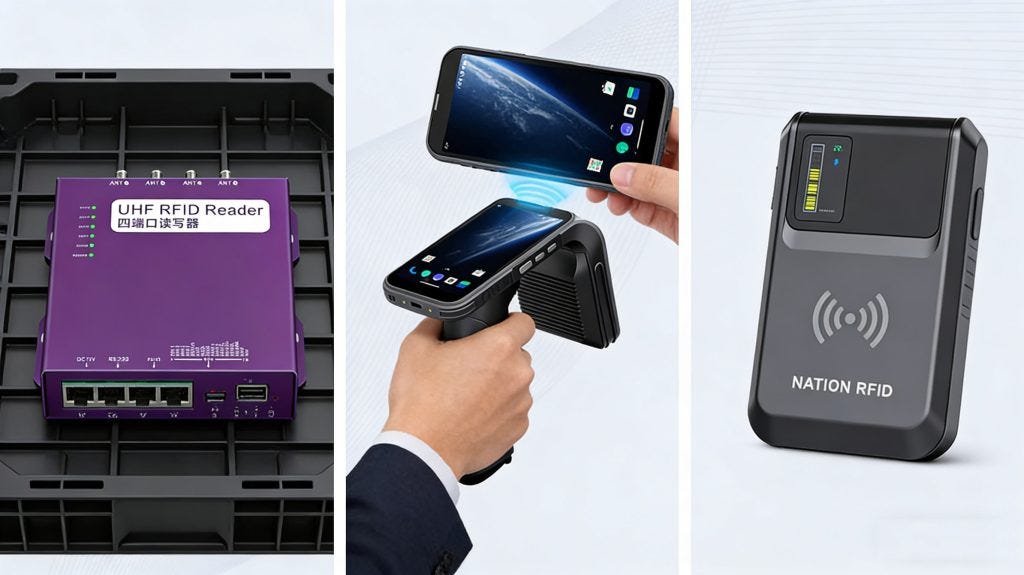
Fixed RFID Readers: Continuous Automated Tracking
Fixed RFID readers are stationary devices installed at specific locations such as:
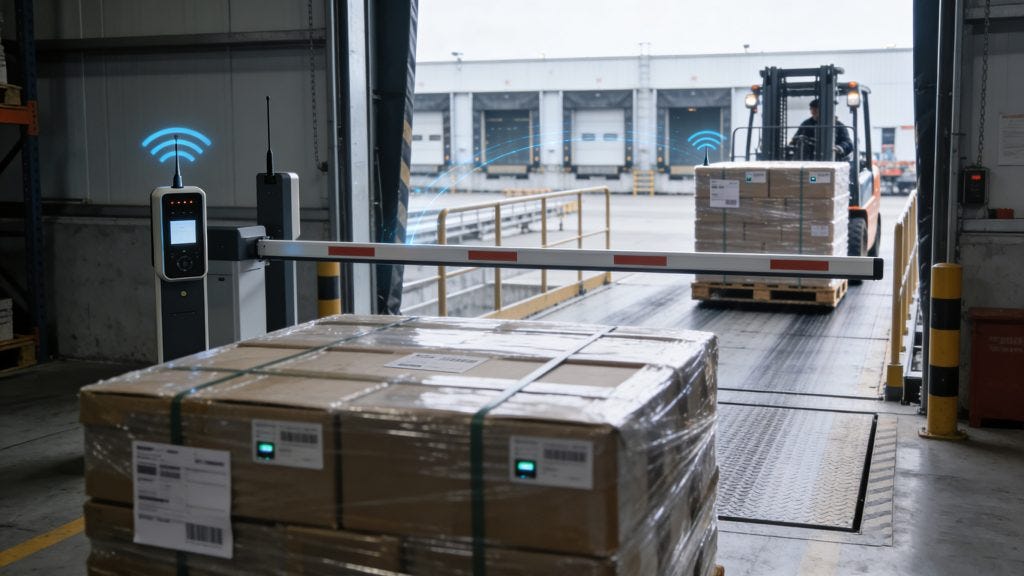
warehouse entry gates
conveyor belts
production lines
retail store exits
Once installed, they continuously monitor a defined reading zone and automatically detect RFID tags passing through it.
Unlike handheld devices, fixed readers operate 24/7 without manual interaction, making them ideal for high-volume environments.
A typical setup may include multiple antennas connected to the reader to create wider coverage areas. Some systems use 2, 4, or even 8 antenna ports to monitor different read zones simultaneously.
This type of reader is commonly used in:
automated warehouse tracking
logistics dock doors
manufacturing assembly lines
retail anti-theft gates
Businesses looking for industrial-grade RFID infrastructure often deploy systems built around the readers available in the
RFID Readers collection from Cykeo, which are designed for continuous operation in logistics, manufacturing, and smart warehouse environments.
In practice, fixed readers handle the heavy lifting in an RFID system — automatically capturing large amounts of tag data without requiring workers to scan anything manually.
Handheld RFID Readers: Flexible Inventory Scanning
If fixed readers are the “infrastructure” of an RFID system, handheld rfid readers are the tools used by people on the floor.
Handheld RFID readers look similar to barcode scanners but include integrated RFID antennas and onboard computing systems. Operators carry them through warehouses or retail stores to scan items wherever they are located.
This mobility is their biggest advantage.
Instead of installing readers everywhere, staff can walk through aisles and perform tasks like:
inventory cycle counting
asset audits
locating missing equipment
verifying shipments
Handheld devices often include Android operating systems, wireless connectivity, and rugged industrial designs so they can operate for entire shifts in warehouse environments.
For many businesses, handheld readers are the fastest way to introduce RFID without installing complex infrastructure.
Devices in the RFID Handheld Readers lineup from Cykeo are designed specifically for these scenarios, allowing staff to perform inventory checks or asset tracking tasks directly from a portable terminal.
In most deployments, handheld readers are used alongside fixed readers to cover areas where permanent installations are impractical.
Portable / Mobile RFID Readers: Lightweight and Flexible
Portable or mobile RFID readers are the most compact form of RFID scanning hardware.
Unlike full handheld terminals, these devices are often small enough to fit in a pocket and may connect to smartphones, tablets, or laptops via Bluetooth or USB.
The idea behind mobile readers is simplicity. Instead of deploying a full industrial device, companies can attach a small reader to an existing mobile device and instantly add RFID scanning capability.
These readers are commonly used for:
temporary inventory checks
field inspections
event management
library systems
small retail operations
Because they are lightweight and easy to deploy, portable readers are often used in pilot projects or smaller RFID systems.
Products in the Portable RFID Readers range from Cykeo are built for this kind of mobile operation, allowing users to connect RFID scanning to tablets or smartphones without installing large-scale hardware.
While portable readers typically have shorter reading ranges than industrial handheld devices, their convenience makes them attractive for many flexible use cases.
Fixed vs Handheld vs Mobile: Which One Should You Choose?
The right reader type depends heavily on the workflow you’re trying to support.
Fixed readers are best when you need:
automated tracking
real-time monitoring
high-volume tag detection
Handheld readers are better when staff need:
flexible scanning
inventory counting
asset location capabilities
Portable/mobile readers make sense when you want:
lightweight devices
quick RFID deployment
smartphone-based scanning
In practice, most organizations use a combination of reader types. Fixed readers monitor important checkpoints, handheld readers handle operational tasks, and mobile readers fill occasional scanning needs.
Final Thoughts
RFID readers may all rely on the same radio technology, but the way they are deployed can dramatically change how an RFID system performs.
Fixed readers bring automation and scale.
Handheld readers provide flexibility for everyday operations.
Portable readers offer convenience and mobility.
Understanding the differences between these devices is the key to designing an RFID system that actually works in real-world environments.
And when the right combination of readers is used, RFID can transform how businesses track inventory, assets, and operations.


评论
发表评论