Real-World Use of RFID Key Cabinets in Property Management
Keys Are Always Messier Than You Expect
In property management, keys always seem to cause more problems than you expect. Multiple buildings, multiple units, multiple locks — paper logs and spreadsheets never keep up. Sometimes a key is handed out and somehow ends up missing or taken by mistake. I remember the first time I installed an RFID key cabinet in a mid-size office building — it changed everything. Every key movement was logged, and disputes almost disappeared.
For smaller property sites, a CK-GYC50 RFID Key Cabinet often handles the basics. Compact, sturdy, and simple to set up, it already encourages staff to follow proper key protocols. Integrators appreciate that it delivers noticeable improvements without complex installation.
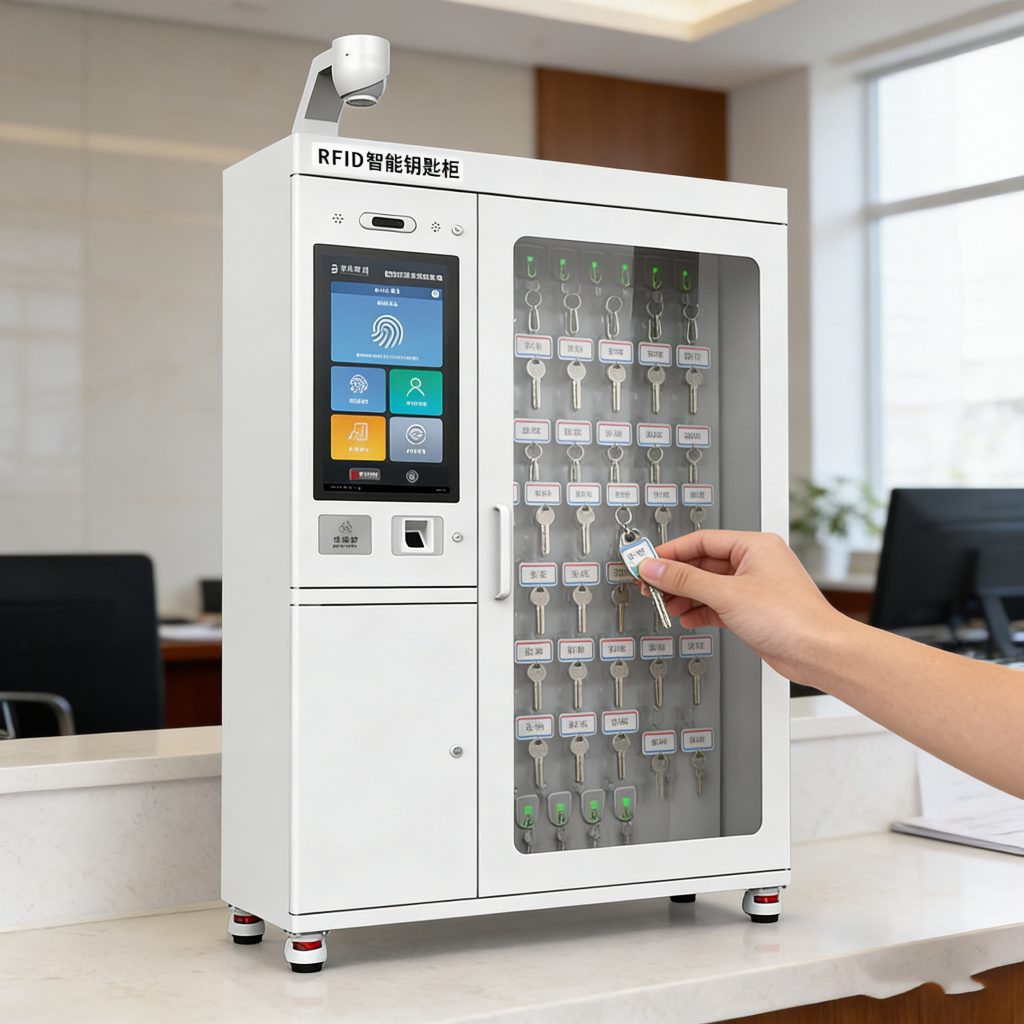
Linking Multiple Cabinets Across Sites
When managing several buildings, one cabinet isn’t enough. Cabinets need to be linked so permissions and logs are synchronized. That’s where the CK-GYC100 RFID Key Management Cabinet comes in. It integrates with central management software, letting managers see the status of all keys from one interface. Role-based access ensures maintenance staff only access the keys for units they’re responsible for, while supervisors or security can access master keys.
Network setup is important here. Cabinets typically use wired or secure Wi-Fi connections. Logs sync automatically, and alerts can be configured for overdue key returns or unusual access. Integrators often run a small local server or cloud instance to centralize logs and generate reports for audits.
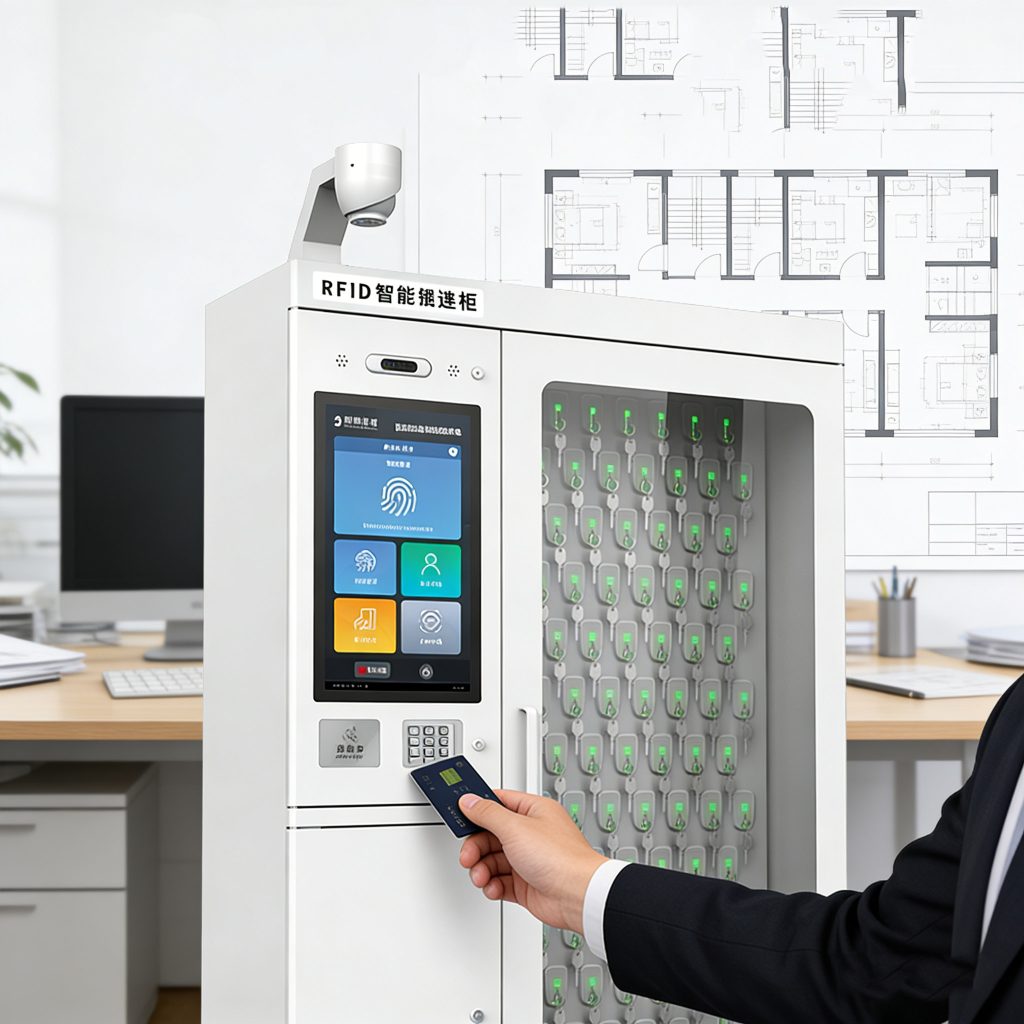
On-Site Practical Considerations
Placement matters more than you might think. Cabinets are usually in the property office, but they must remain accessible. Too high or tucked away, and staff struggle to reach them. Network and power backup also need attention. In one multi-site community installation, we added a small UPS to keep cabinets functional during brief outages — it saved countless headaches.
The logging function offers operational insights beyond security. Managers can track which keys are used most, which units frequently require access, and even adjust staffing schedules accordingly. RFID key cabinets become a tool for efficiency, not just a security device.
Integrating with Existing Software
Many property management companies already use building management or access control systems. Integrators focus on making the key cabinet data flow into existing software. Exportable logs, APIs, or direct integration allow cabinets to feed into dashboards. This is crucial for solution providers or developers delivering a seamless, end-to-end system.
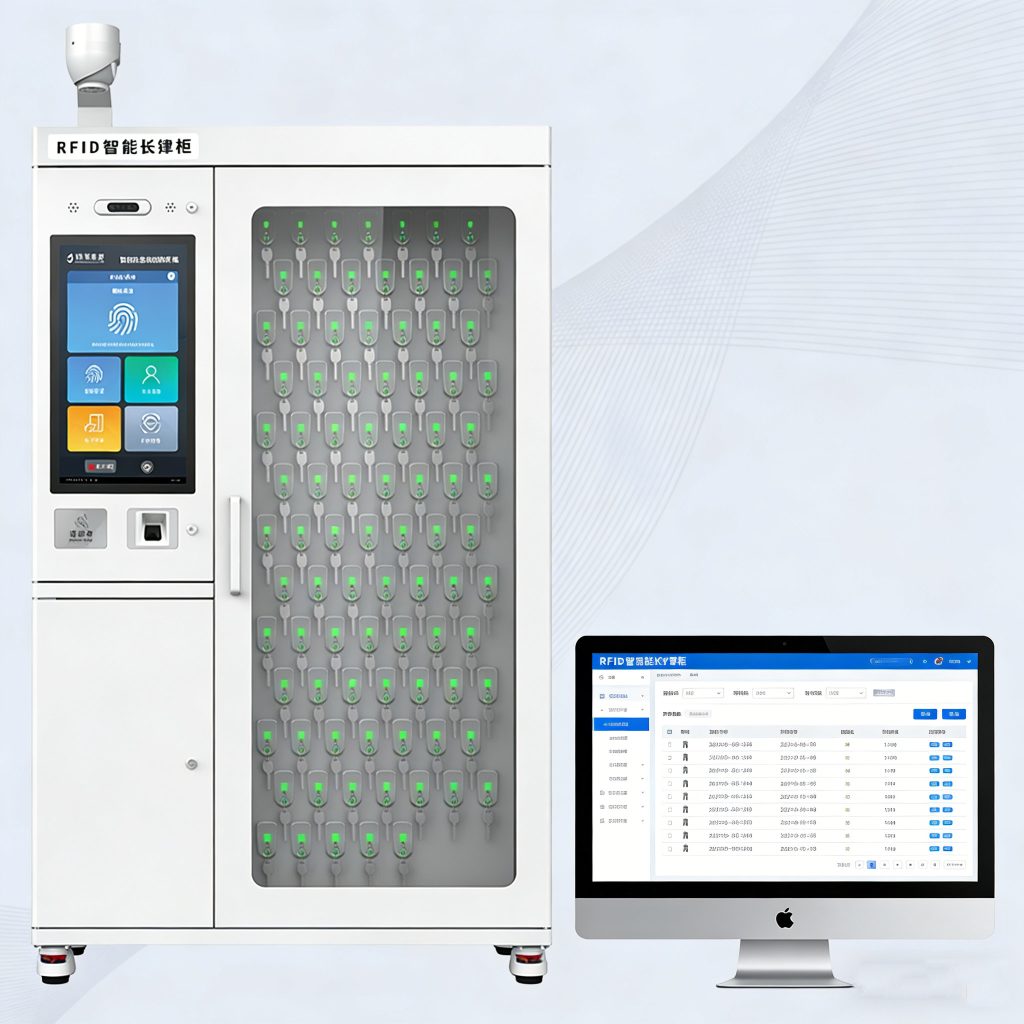
Models like CK-GYC100 and CK-GYC RFID Smart Key Cabinet are designed for these scenarios. Multiple authentication options, API access, and real-time monitoring make multi-site management possible. The value comes from the system working together, not just the cabinet itself.
Why Managers Value RFID Key Cabinets
Ultimately, the change is subtle but obvious. Keys aren’t floating around anymore. Staff know every key is tracked, and audits become effortless. Misplaced keys or disputes almost vanish. For integrators, this is a solution that speaks for itself — clients see operational efficiency and accountability, not just another “security device.”


评论
发表评论