RFID Smart Recycling Cabinet: A Developer‑Friendly RFID Integration Platform
Honestly, so many smart cabinets out there feel like black boxes. They claim automation and RFID tracking, but when you try connecting them to your ERP or inventory software, suddenly nothing speaks the same language. Now, a product like the CK‑MH RFID Scrub Return Cabinet changes that vibe. This solution isn’t just another recycling or return box—it’s a platform you can build real software on. For developers who deal with RFID integration daily, that’s a breath of fresh air.
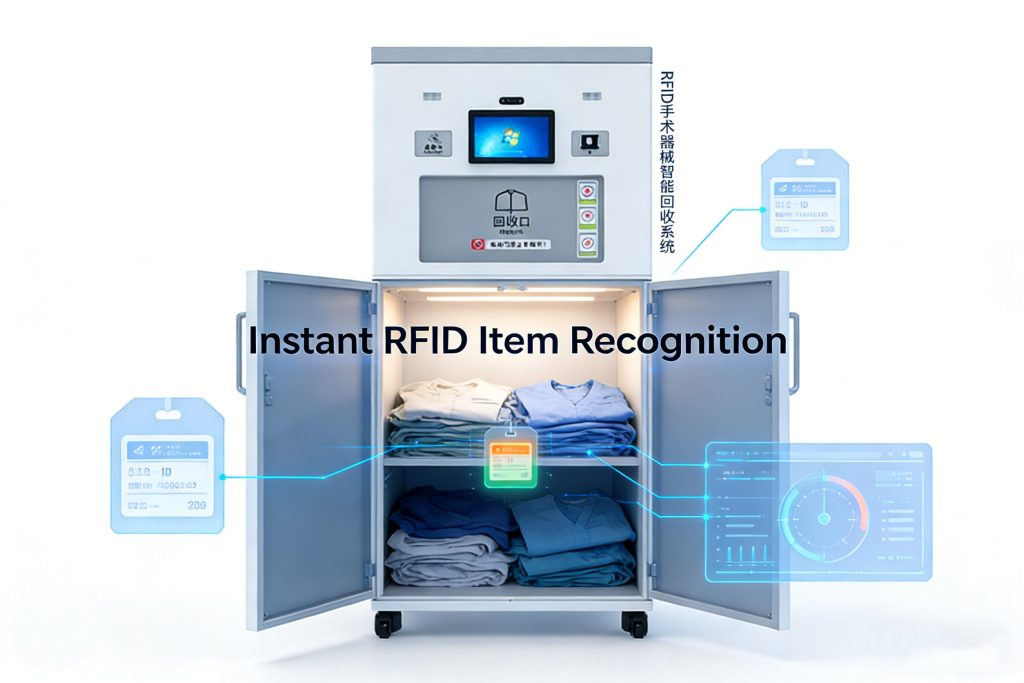
Why Developers Actually Care
So here’s what usually goes wrong: hardware works fine in isolation, but as soon as you want to hook it up to a backend system—good luck. With this cabinet, you get true flexibility:
- You can integrate multiple RFID antennas inside the unit, covering every nook and cranny where tags might sit.
- Connect internal or external RFID readers that produce continuous streams of tag data your system can consume.
- The cabinet supports real‑time interfaces that push data where you need it—from custom dashboards to central inventory logs.
- Open standards and familiar languages make development smoother, not bloody frustrating.
I remember setting up a test with this thing: dropped in 50 surgical gowns and watched my app pick up all the IDs within seconds. It wasn’t perfect at first… but once the antennas and readers were tuned, it was fast, and reliable—very unlike most hardware I’ve wrestled with.
Common Headaches Developers Solve
Think about a hospital environment where scrubs, gowns, or uniforms need to go back into the system accurately:
- Misplaced items? You bet.
- Manual logging? It’s slow and full of mistakes.
- Lost data? All too common.
With the CK‑MH RFID Scrub Return Cabinet, you’re dealing with UHF RFID that can handle batch scanning—think 50 gowns or 40 pairs of shoes in one go. The tags are read, logged, and transmitted right back to your software. You get real‑time inventory updates, traceability, and pretty solid accuracy (up to 99.98% or so, according to manufacturer info).
So, instead of cluttered spreadsheets and frantic post‑shift reconciliations, you’re suddenly working with clean, timestamped data. I’ve seen a few implementations where this alone cut reconciliation hours down by… well, more than half.
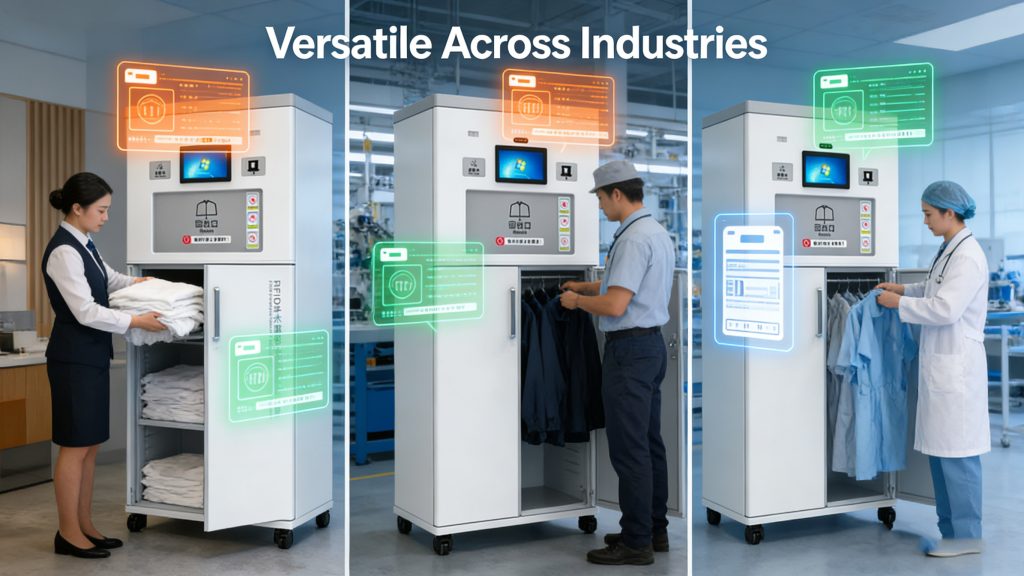
Flexible Integration That Actually Works
And here’s where it gets interesting for software people: this isn’t some firmware‑locked, undocument API. You can integrate:
- Configurable antennas, so your coverage matches your cabinet layout.
- Open data feeds that output item IDs, timestamps, and even status flags.
- Real‑time sync with external systems (yes, your ERP or asset management suite).
Because the hardware is built with standards‑based RFID (UHF ISO 18000‑6C EPC), it plays well with readers and middleware you already trust. You’re not forced into some weird proprietary format that tanks your dev velocity. For example, developers can use common languages and protocols to pull streaming data—this makes writing analytics or custom dashboards way less painful.
It’s that “thing just works” feeling that makes you pause and think, “Oh… finally.”
Bulk Deployment & Wholesaler Value
If you’re building stuff at scale—multi‑site deployments, big facilities, or client solutions—buying one cabinet doesn’t cut it. This model scales well because:
- Standardized hardware means consistent behavior across sites.
- You don’t rebuild your integration logic for every client.
- It supports network interfaces, so data can sync back to central servers without extra relays.
- It even supports configurations like Wi‑Fi or 4G connections out of the box, which is handy in distributed environments.
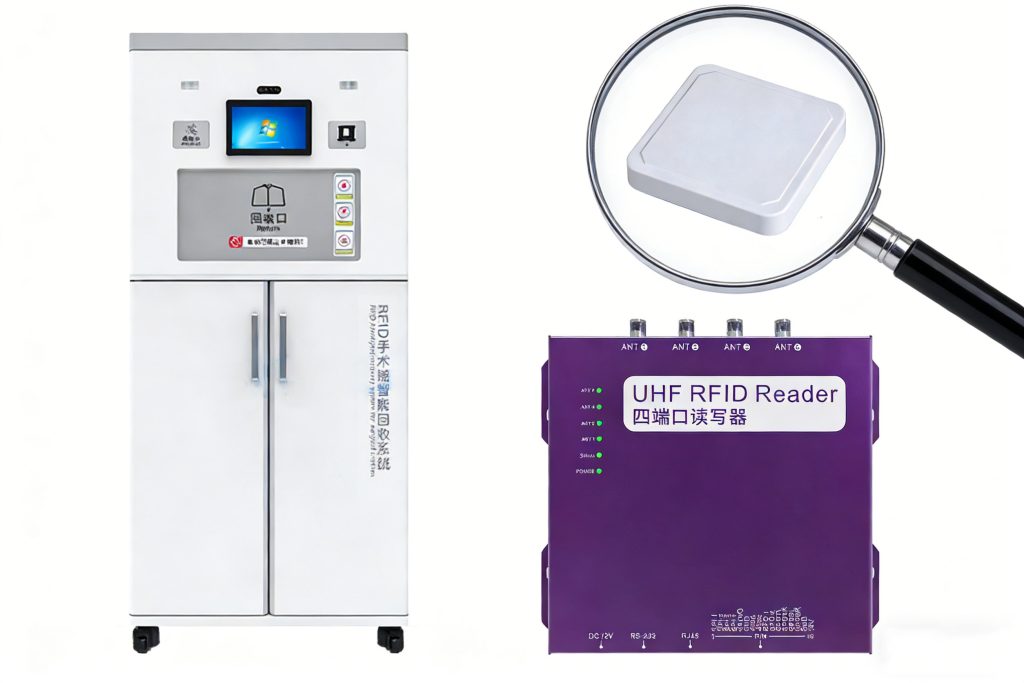
That makes a world of difference when you’re managing multiple clients or building a platform that needs to handle real‑time RFID data from dozens of cabinets simultaneously.
Ready to Build Smarter Systems?
For RFID software developers, the RFID Smart Recycling Cabinet concept stops being just “another piece of hardware” and starts being a real data source you can hook into meaningful systems. You get real‑time item tracking, robust RFID scanning, open interfaces, and bulk deployment readiness—plus the ability to create software that actually helps people, not just sits in a corner and blinks.
✨ Contact us for developer documentation, integration support, and bulk procurement discussions!


评论
发表评论