RFID integration CK-TP2 RFID Inventory Management Tunnel System
When batch scanning has to keep up with real warehouse speed
If you’ve ever stood next to a busy warehouse conveyor line, you know this already:
manual scanning doesn’t fail because people are careless — it fails because the pace is simply too fast.
Boxes keep moving.
Carts don’t stop.
Production lines don’t wait for inventory checks.
That’s the environment CK-TP2 was built for.
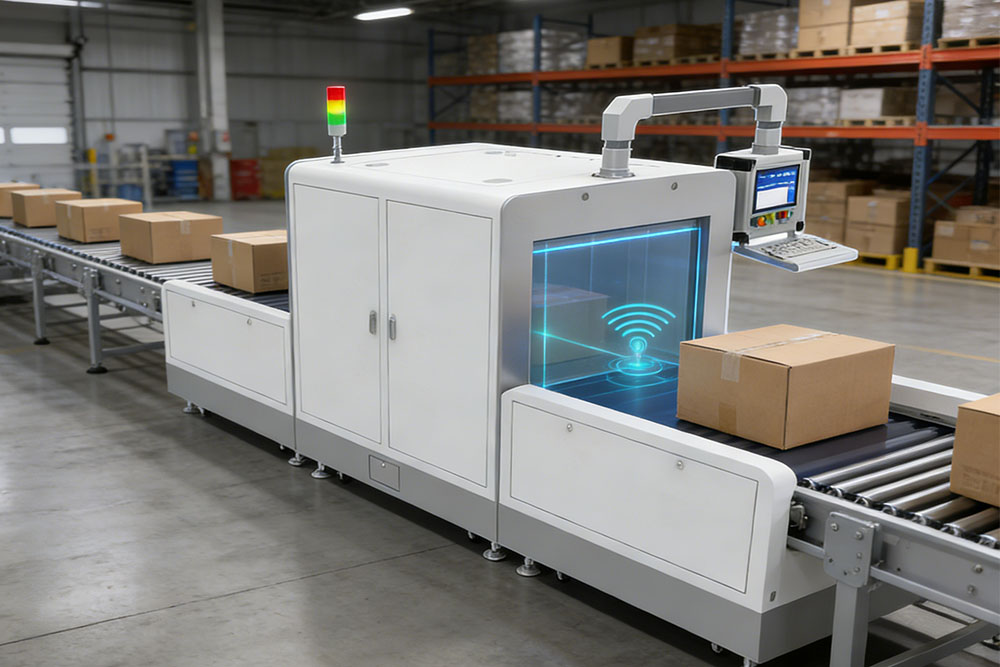
The CK-TP2 RFID Inventory Management Tunnel System isn’t a demo device or a “nice-to-have” add-on.
It’s designed for high-throughput warehouses and logistics lines where batch verification has to happen automatically, without slowing anything down.
Items pass through once — inventory is already counted
The working logic of CK-TP2 is straightforward.
Goods move through the tunnel.
No pause. No alignment. No manual trigger.
Within that short moment, the system completes a full batch read:
- Over 400 RFID tags read per second
- Entire cartons, totes, or batches captured at once
- Tag order doesn’t matter, density doesn’t matter
This is where RFID tunnel systems really show their value — especially in:
- Apparel warehouses
- Wine and spirits distribution centers
- Electronics manufacturing and assembly lines
Inventory checking stops being a separate task.
It becomes part of the physical flow.
Anti-collision performance is what makes or breaks this kind of system
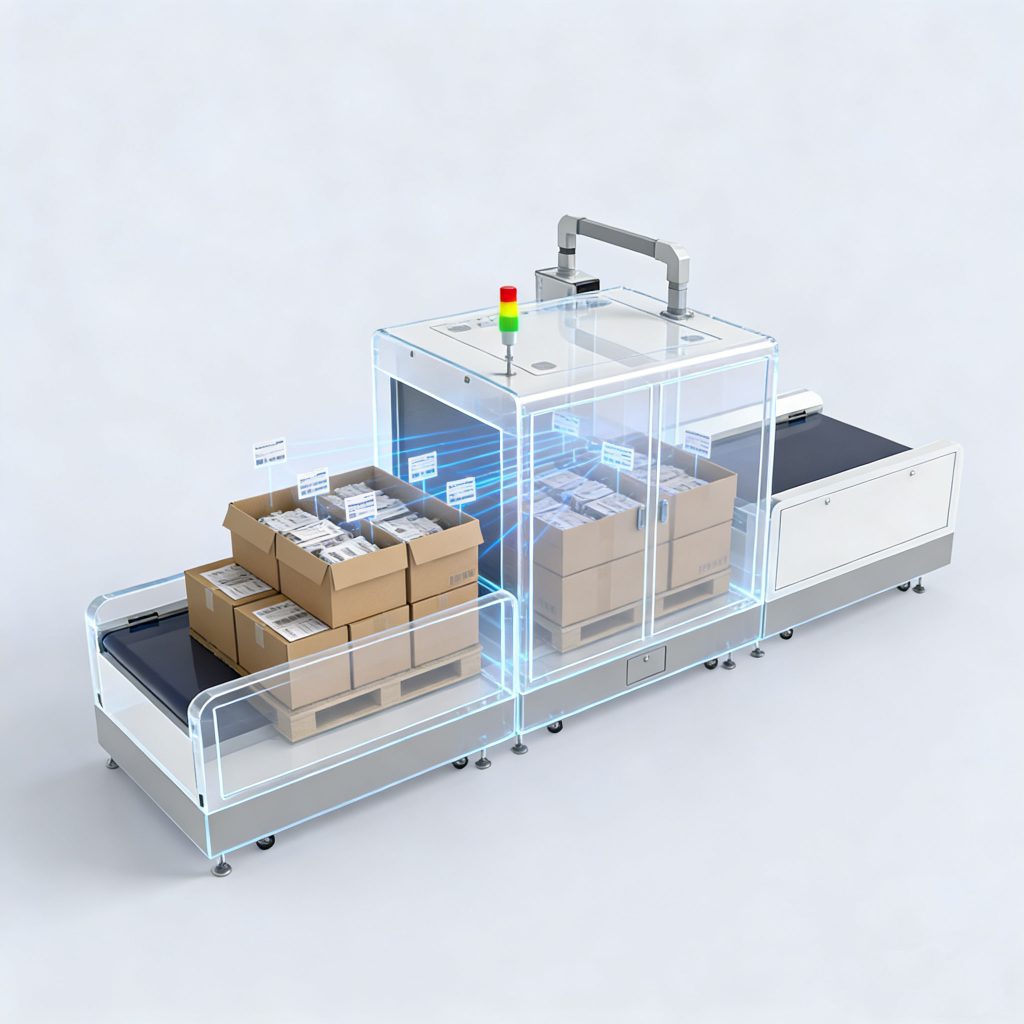
In real warehouses, tags don’t behave politely.
They overlap.
They stack.
They move fast.
CK-TP2 complies with ISO 18000-6C (EPC Gen2) and is designed specifically for high-density tag environments.
In practice, that means:
- Dense batches don’t cause missed reads
- Multiple items pass simultaneously without confusion
- High-speed movement doesn’t break data integrity
If you’ve ever tested RFID equipment that looked good on paper but fell apart under load, you’ll immediately recognize why this matters.
A conveyor system that’s actually warehouse-ready
CK-TP2 isn’t just about reading tags.
It’s built to handle real goods.
- Modular conveyor structure
- Supports loads of up to 80 kg
- Suitable for cartons, bins, and transport containers
The system fits into existing logistics lines instead of forcing workflow changes.
That’s usually the difference between a pilot project and something that actually gets deployed.

A practical upgrade path for traditional warehouse cabinet and equipment manufacturers
This part is important for manufacturers already producing traditional warehouse cabinets or storage equipment.
Most of you already have:
- Proven mechanical designs
- Reliable load-bearing structures
- Clear understanding of warehouse use cases
What’s usually missing is real-time visibility.
The upgrade path doesn’t require starting over
- Keep your existing cabinet or storage structure
- Integrate Cykeo RFID antennas and RFID readers
- Connect through standard interfaces
The cabinet remains yours.
What changes is that it no longer just stores items — it knows what’s inside.
For manufacturers, this approach means:
- Minimal redesign cost
- Shorter development cycles
- A clear step into RFID-enabled warehouse equipment
You’re not replacing products.
You’re extending their capability.
Built for RFID warehouse system providers and developers
Many RFID software providers and system integrators face the same problem:
hardware that’s difficult to integrate, unstable, or completely closed.
CK-TP2 is designed as an open, system-ready hardware node.
Integration and development support includes:
API Interfaces
- RESTful APIs
- Native APIs
- Designed for WMS, ERP, and IoT platform integration
Secondary Development SDK
- Event listening for batch reads
- Custom verification logic
- Full toolkit for firmware and application development
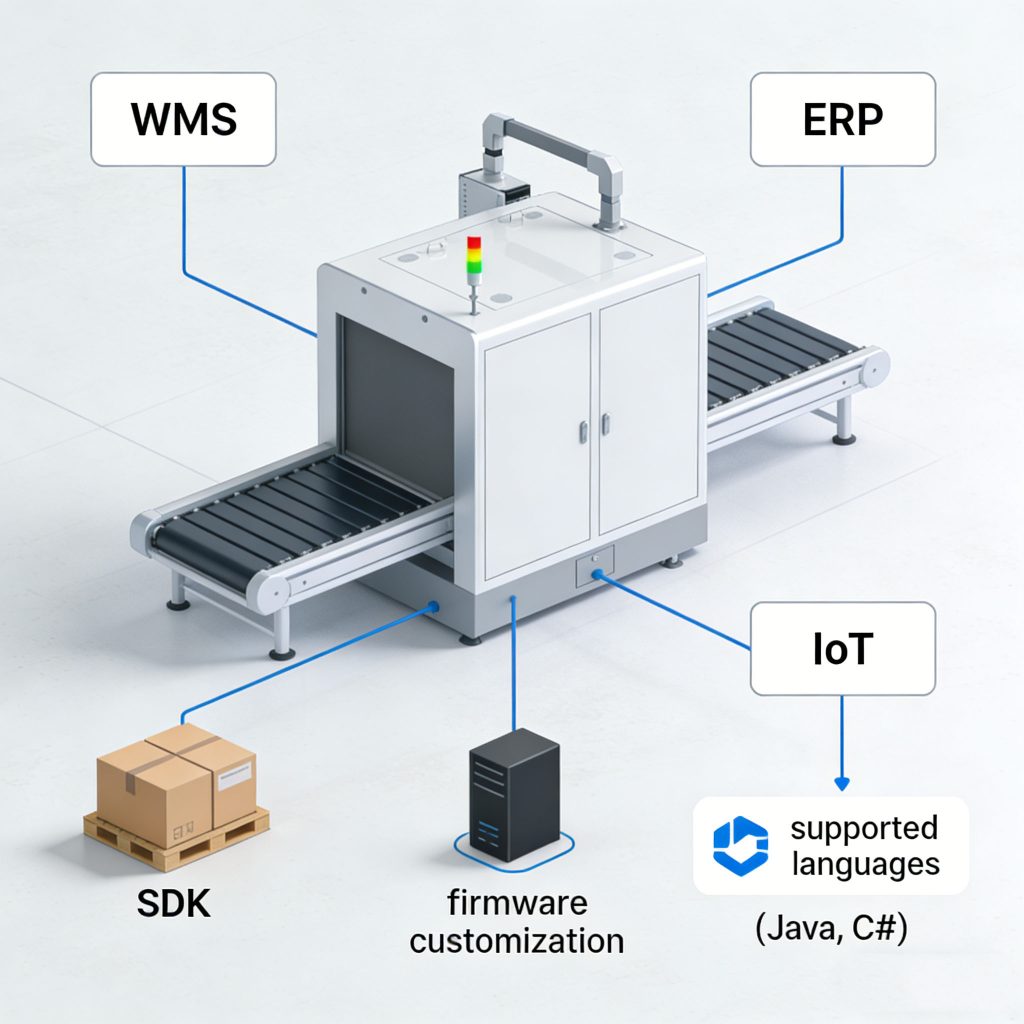
Supported Languages
- Java
- C#
- Cross-platform compatibility
You focus on business logic, workflows, and data models.
We make sure the physical read layer is accurate and reliable.
This isn’t just faster reading — it’s a different way of thinking about inventory
The value of CK-TP2 isn’t just “400+ tags per second.”
It changes how inventory works:
- Batch verification happens automatically
- Logistics flow isn’t interrupted
- Inventory status updates in real time, not after the fact
For busy warehouses, traditional equipment manufacturers, and RFID system providers alike,
automated batch identification isn’t optional anymore — it’s becoming standard.
CK-TP2 simply makes that transition practical.


评论
发表评论