Mastering UHF RFID: Programming and Application Techniques for Efficient Asset Management
Introduction
So, UHF RFID—it’s one of those things that seemed a bit over my head at first, but once I got into it, I realized how much it actually changes the way things work in logistics and asset management. Honestly, I didn’t expect it to be this powerful. I mean, when I first started working with it, I thought, “Okay, cool, just another tech thing,” but no—UHF RFID is a game-changer. And once you get the hang of how to program the cards, it opens up a whole new world. So, here’s what I’ve learned about UHF RFID programming and why it’s worth your time.
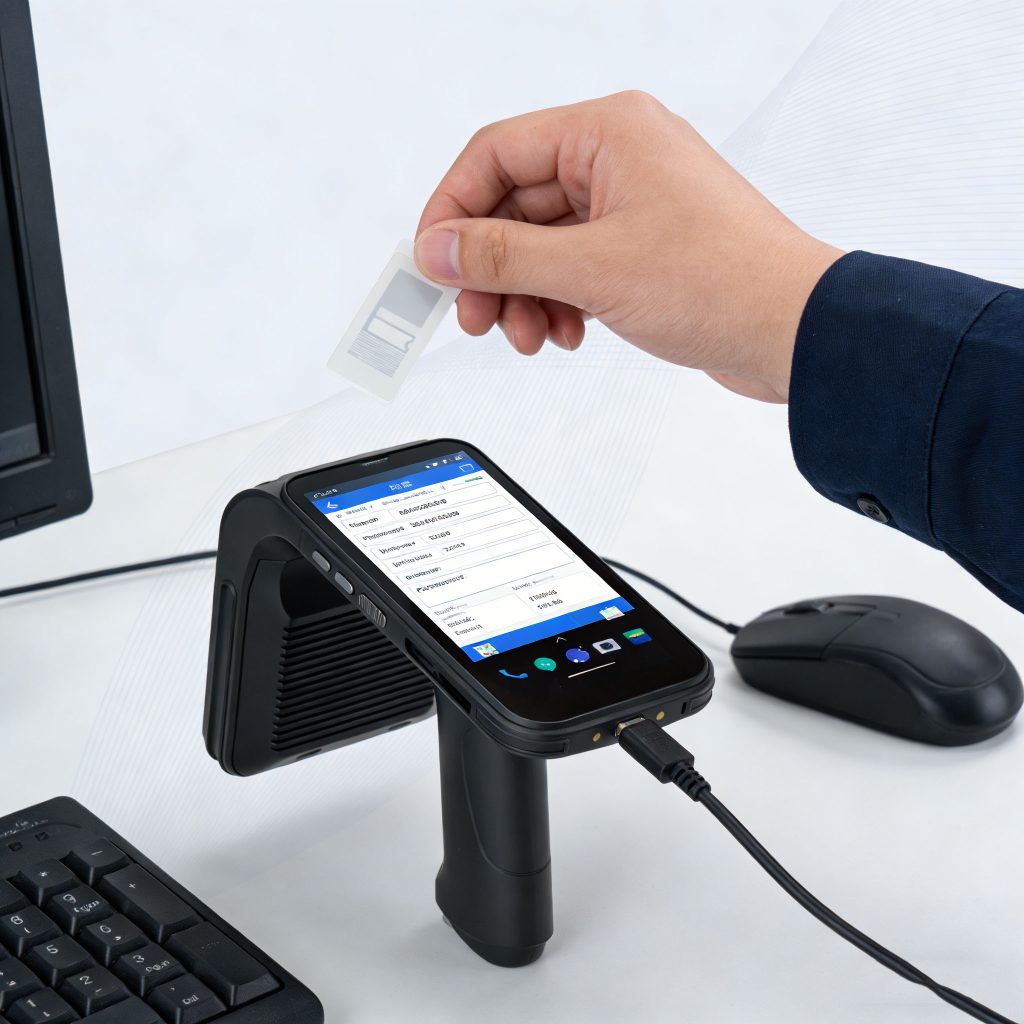
1. What’s UHF RFID Anyway?
Let’s start with the basics. UHF stands for Ultra High Frequency, and it’s the kind of RFID that works in the range of 860 MHz to 960 MHz. Now, you might be thinking, “Okay, great, but what does that really mean?” Well, it means that UHF RFID tags can be read from much farther away than other types of RFID tags. Seriously, some UHF tags can be read from up to 10 meters or more. At first, I didn’t really get why that was such a big deal, but once I started working in a big warehouse, I totally saw the value.
2. UHF RFID Applications—You’ll Be Surprised Where It’s Used
You know, when you first think about RFID, you probably imagine it in a store or a warehouse. But, honestly, UHF RFID is everywhere. You’d be surprised at how many industries use it. Here’s where you’ll find it:
- Logistics and Supply Chain: This is where UHF RFID shines. You’ll find it tracking everything from pallets of goods to individual products, and it works like a charm because you can read tags from so far away.
- Asset Management: We use it to track equipment in my company. You slap a tag on an asset, and then you can find it in a second, even if it’s buried somewhere deep in a warehouse. Sometimes, I think, “How did we ever manage without it?”
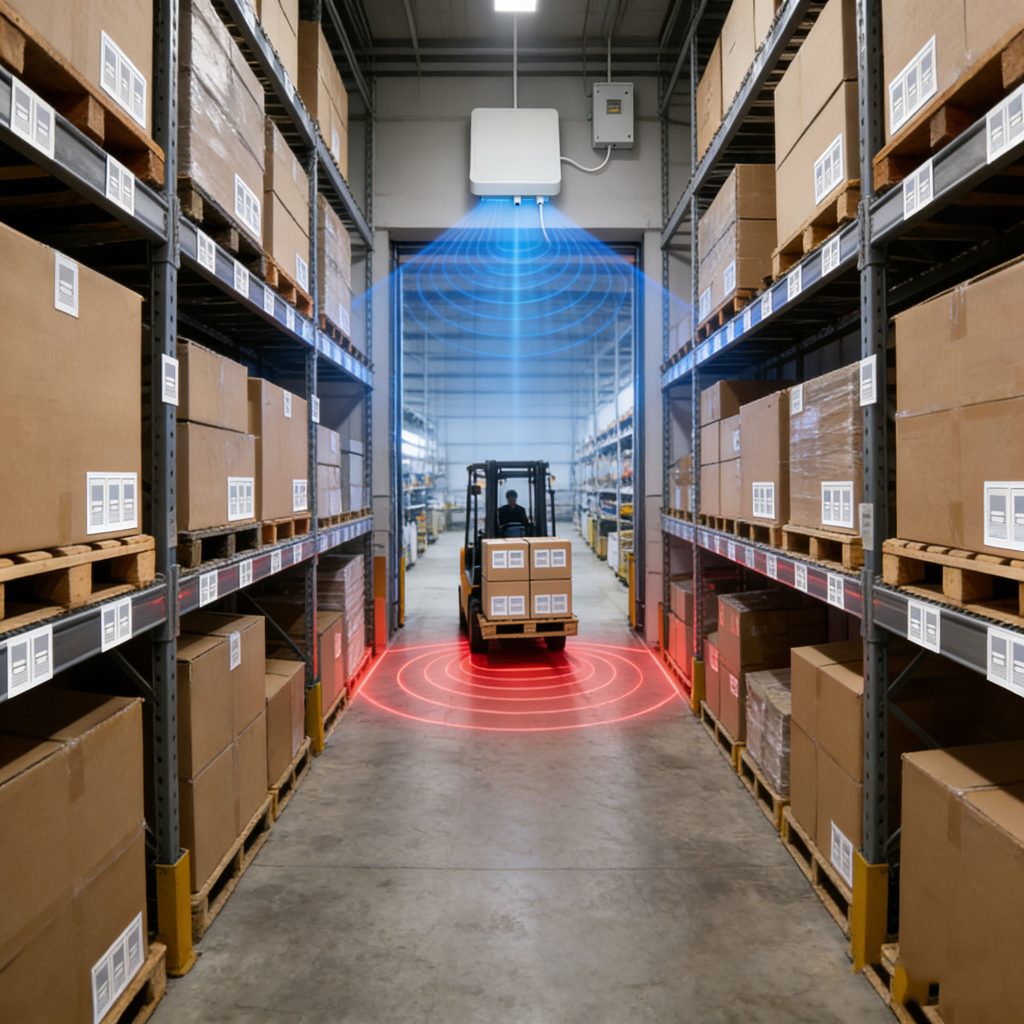
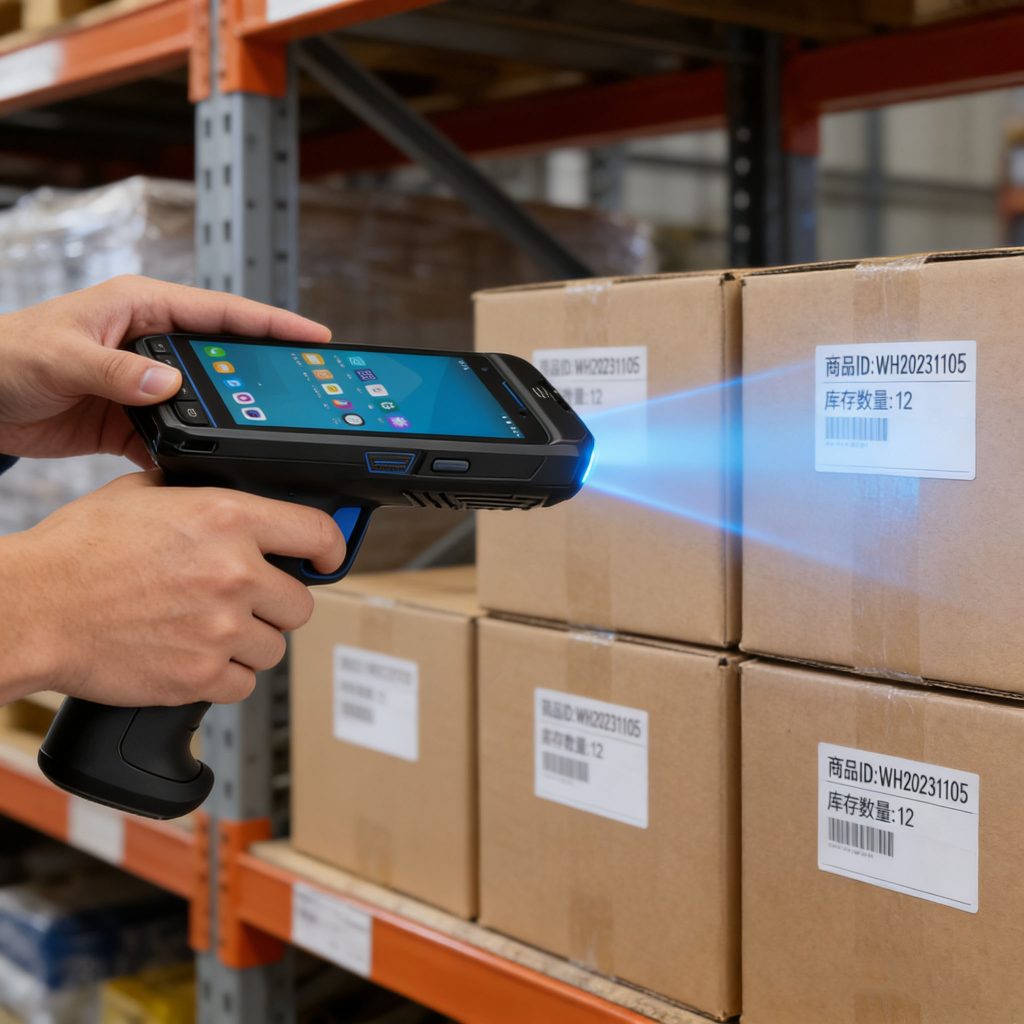
- Smart Warehousing: In some of the big warehouses I’ve worked in, UHF RFID is used to automate everything from inventory management to order picking. It just saves so much time. Like, instead of checking stuff manually, a reader scans the whole shelf and bam, you’ve got real-time data.
And honestly, once you start digging into how UHF RFID is used, you’ll realize it’s not just some techy thing for warehouses. It’s everywhere.
3. How to Program UHF RFID Cards—It’s Not As Hard As You Think
Now, let’s talk about programming UHF RFID cards. At first, I thought it would be a total pain, but you know what? It’s actually pretty straightforward once you get the hang of it.
- Choose Your Tools
The first thing you need is a UHF RFID programmer. It’s not like you can just use your phone or something. I started with a basic USB RFID programmer, connected to a laptop. That was a game-changer, honestly. - Connect the RFID Device
Place your UHF RFID card or tag on the programmer. Make sure it’s positioned right, or you’ll end up with errors. I’ve done it wrong a couple of times, and trust me, it’s annoying. - Write the Data
Now, here’s where the fun begins. Using software, you can write things like asset IDs, location data, or even user data. I started off by writing basic asset IDs, but later, I added more details like serial numbers and maintenance schedules. Honestly, the more you write, the more you realize how useful it can be in a real-world situation. - Test the Tag
After writing, you’ll want to test the tag with a UHF RFID reader. This part is key because, sometimes, even though it says it’s written, the tag won’t read properly. I didn’t think it was that important at first, but believe me, testing it is a must.
When I first programmed my first tag, I didn’t think it would be that simple. But now, every time I program a tag, it gets easier and faster. If you’re looking for a step-by-step guide on how to program RFID cards, check out this guide on RFID card programming. It covers all the nitty-gritty details.
4. Advanced UHF RFID Applications—This is Where It Gets Cool
So, programming the tags is great, but here’s where things get really interesting: once you’ve got the tags programmed, you can start integrating them with other systems. At first, I didn’t realize how much I could do with this. But now, I can see that UHF RFID is more than just “tracking tags.”
- Real-Time Asset Tracking: Integrating UHF RFID with asset management software can give you live updates on where everything is. Like, imagine knowing exactly where every piece of equipment is, at any given moment. It’s such a relief not having to look around for tools anymore.
- System Integration: When you integrate UHF RFID with other systems, like your warehouse management software or transportation system, it basically runs itself. You don’t have to manually enter data all the time—it just flows automatically.
At first, I didn’t think I could make that leap from just programming tags to fully integrating them into a system. But once I tried it, I realized how much smoother everything runs.
5. Common Issues and Fixes—Because It’s Not Always Perfect
Now, let’s get real—nothing’s perfect. Sometimes, you’ll run into issues, like tags not being readable or data not writing correctly. Here’s what I’ve learned over time:
- Issue 1: Tag Not Being Read
Solution: Check the tag placement. Sometimes, it’s just a matter of positioning it wrong. And make sure the tag isn’t too far from the reader. I’ve made this mistake a lot, and it’s so simple to fix, but it can be frustrating when it happens. - Issue 2: Data Write Failures
Solution: Ensure the tag is compatible with your writer. Not all tags work with all programmers. I ran into this once, and it took a while to figure out that the tag and writer didn’t mesh well. - Issue 3: System Compatibility
Solution: If the RFID data doesn’t sync with your other systems, check for updates. I once spent way too long troubleshooting, but once I updated the software, everything worked fine.
I’ll be honest, these issues made me question if I was doing something wrong, but in the end, it’s just part of the process. You’ll figure it out, and it’ll become second nature.
For more on UHF RFID antennas and how they play into the system, check out RFID antennas for efficient operations.
6. Conclusion
So, yeah, UHF RFID is definitely more than just a cool tech gimmick. It’s practical, it’s efficient, and once you get the hang of programming those tags, you can do some pretty amazing things. Honestly, at first, I thought it was going to be a whole headache, but now it’s one of those tools I can’t live without. Once you start using UHF RFID for asset tracking, inventory management, or even just automation, you’ll get why it’s such a big deal.
If you want to dive deeper into RFID card programming, check out the full guide on how to program RFID cards.


评论
发表评论