Making Hospital Asset Management Smarter with RFID — A Practical Guide for Developers
Hospitals are messy in the best way—they’re busy, constantly moving, and full of valuable stuff. Surgical tools, catheters, specialty consumables—they’re everywhere, and someone has to keep track of them. Mistakes cost money, slow things down, and worst of all, can affect patient care. That’s where RFID comes in. It’s not just a “nice-to-have”—it actually makes managing high-value medical assets way easier.
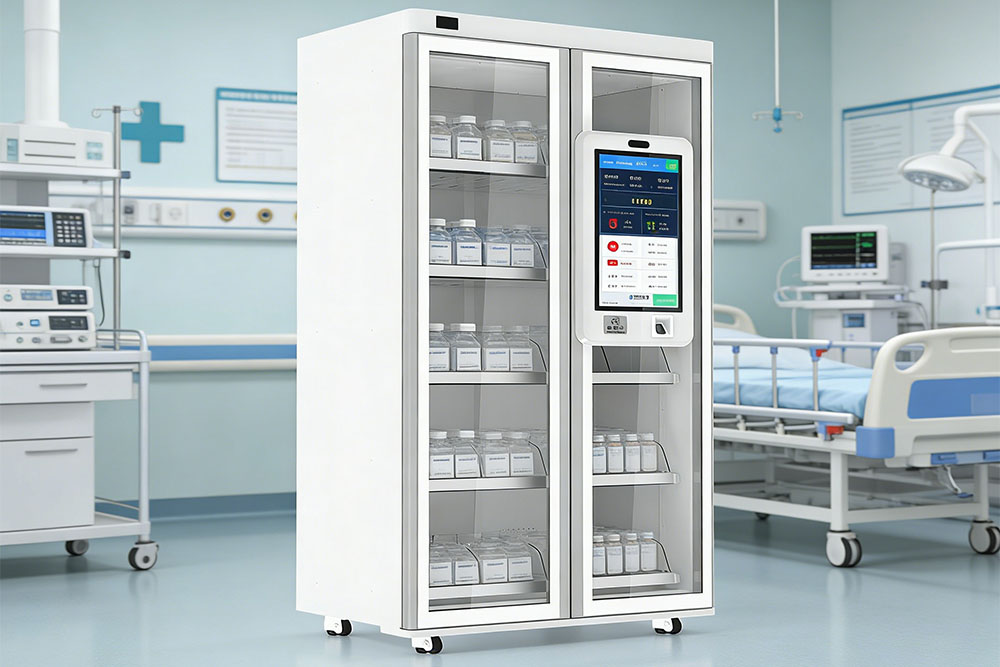
What Makes the CK-GY2A UHF RFID Hospital Asset Cabinet Useful
The CK-GY2A isn’t just a cabinet—it’s a smart asset management tool. It uses UHF RFID to scan and track items quickly and reliably, so you can see what’s in the cabinet almost instantly. Here’s what it does well:
- Fast, accurate scanning: The UHF RFID tech can read everything in the cabinet in seconds, even if there are dozens or hundreds of items. No more guessing or tedious manual counting.
- Reliable tracking: Every instrument, every consumable, every catheter—it can track them so you know exactly what’s in stock and what’s missing.
- Built for healthcare environments: Antimicrobial surfaces, cleanroom-friendly design, optional integration with access control systems—it’s made to work where hygiene matters.
- Intelligent interface: A touchscreen shows live inventory updates, alerts, and usage info. You can hook it into your hospital system, so it talks to your HIS or inventory software without extra fuss.
- Expandable and flexible: You can integrate your own software or other systems, making it work exactly the way your clients need it to.
Put simply, it cuts down on manual work, reduces errors, and keeps everything moving smoothly in busy hospital workflows.
Why Developers Should Consider Custom Integration
Even though CK-GY2A works straight out of the box, there’s a lot of value in taking control of how it’s put together:
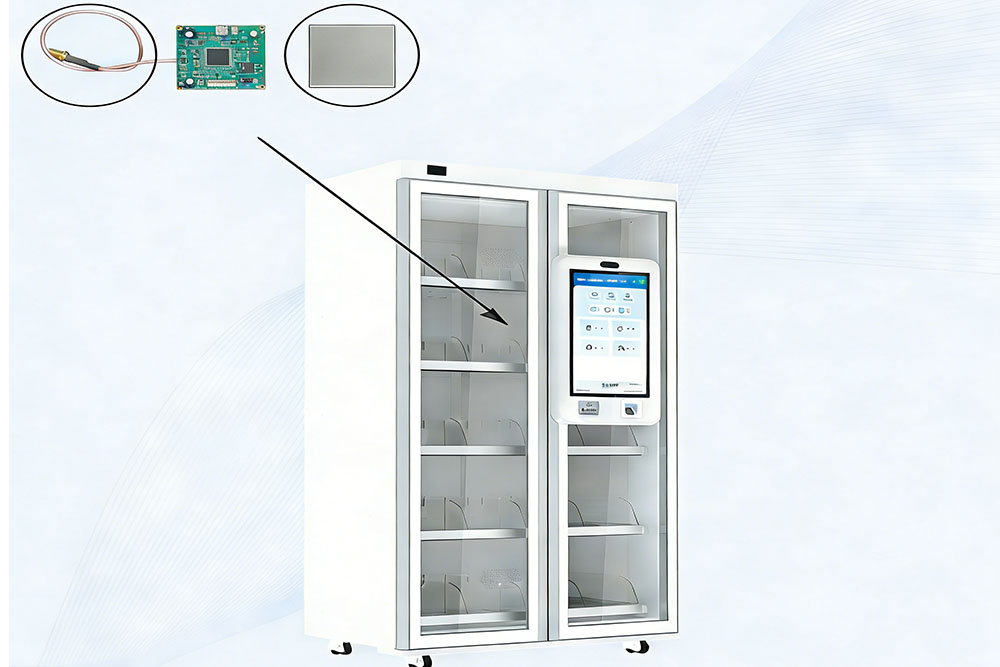
- Pick your own RFID antennas and rfid readers: Depending on the hospital’s needs, you can choose the best setup for coverage and accuracy. No one-size-fits-all here.
- Custom cabinets locally: Hospitals are different—some have tight spaces, some need specific compartment layouts. You can build the cabinet locally, to fit perfectly and save money.
- Control systems your way: You can combine RFID with doors, touchscreens, permissions, and alerts in whatever configuration makes sense for the facility.
- Integrate with hospital systems: Standard interfaces let you tie the cabinet into existing hospital software so inventory updates happen automatically.
Doing it this way means you’re not just selling a cabinet—you’re delivering a flexible, practical solution that fits the hospital’s workflow instead of forcing them to adapt.
Bottom Line
CK-GY2A shows how powerful RFID can be in hospitals—fast, accurate, automated, and smart. For developers, the real opportunity is in making it your own:
- Grab the RFID modules and integrate them;
- Customize the cabinet and control system to fit different hospital environments;
- Build a solution that’s flexible, reliable, and genuinely useful for the staff who actually have to manage all this stuff every day.
This is the kind of approach that makes hospitals’ lives easier—and your solution stand out.


评论
发表评论