Fixed RFID Reader: Why Developers Keep Coming Back to It
At some point in almost every RFID project, the same question comes up:
Do we really need a fixed RFID reader here?
Handheld looks flexible.
USB readers are easy.
Gate systems feel overkill.
And yet — fixed RFID readers keep showing up in real deployments.
Not by accident.
What a Fixed RFID Reader Really Is
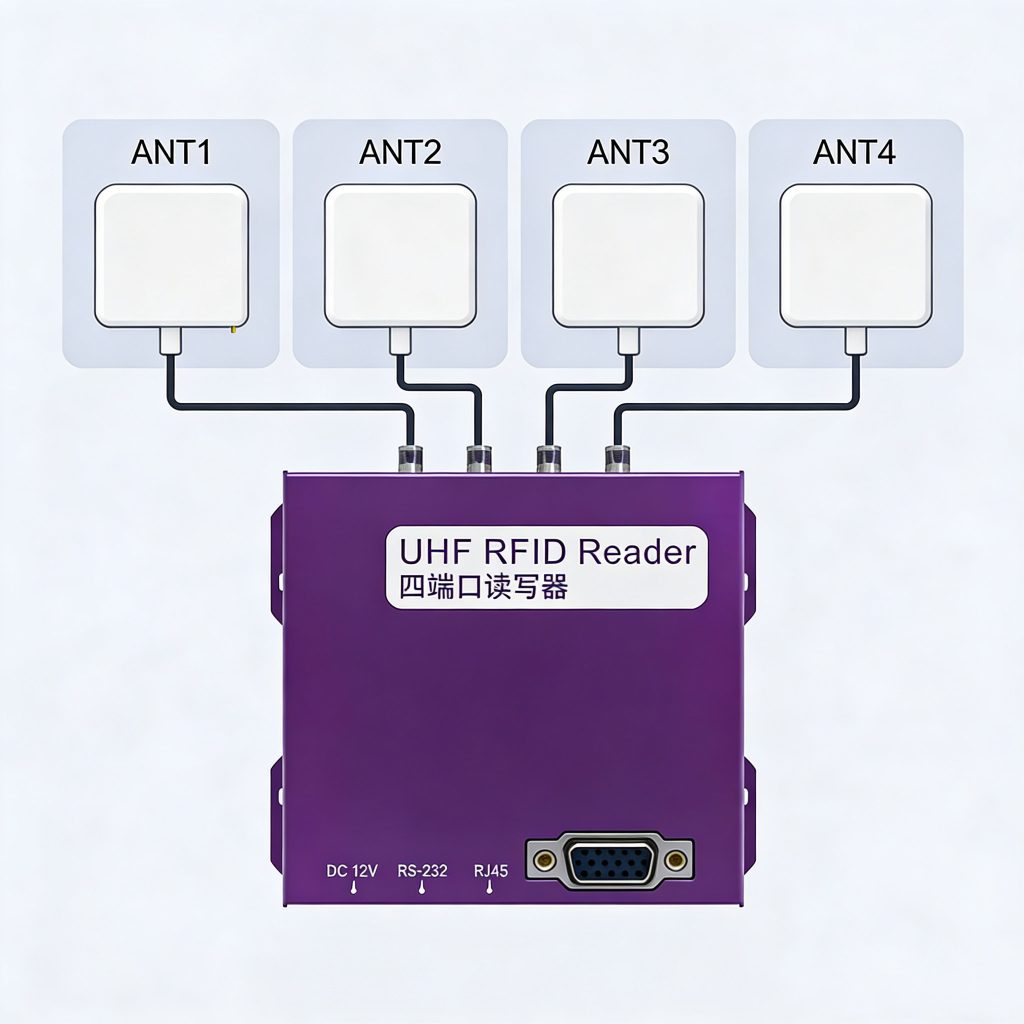
A fixed RFID reader is designed to live inside a system.
Mounted on a wall.
Installed in a cabinet.
Bolted into a production line or access point.
It’s not meant to move.
It’s meant to run — continuously.
If you look at a typical RFID reader product category, you’ll notice fixed readers are the backbone devices: multi-antenna ports, stable RF output, and long-term operation design.
👉 RFID reader product lineup
For solution developers, that’s already a signal:
This is infrastructure, not a tool.
The First Thing Most Developers Don’t Expect
Many developers assume fixed RFID readers are harder to work with.
More configuration.
More parameters.
More things that can go wrong.
In reality, once you get past the initial setup, fixed readers are often easier to integrate into complex systems than handheld or USB devices.
This came up clearly in real project experience shared here:
👉 What I didn’t expect when working with fixed RFID readers
The key reason?
They behave like servers, not peripherals.
Why Fixed RFID Readers Are Better for Secondary Development
For RFID solution developers, secondary development is where projects succeed or fail.
Fixed RFID readers are built with that in mind.
Typical advantages include:
- Persistent network connection (Ethernet / industrial networks)
- Stable APIs for long-running services
- Event-based tag reporting instead of trigger-based scans
- Better control over RF parameters and timing
Instead of “scan now”, you get:
“Report every tag that enters this zone, continuously.”
That model fits backend systems much better.
Especially when integrating with WMS, MES, ERP, or custom middleware.
API and Integration Logic (What Developers Actually Care About)
Most modern fixed RFID readers expose:
- Native SDKs
- RESTful or socket-based APIs
- Event callbacks for tag reads
- Antenna-level configuration
This allows developers to:
- Bind different antennas to different logic
- Control power per antenna port
- Filter tag data before it even reaches the application
This isn’t theory.
This is how production systems stay stable.
The broader reasoning behind why fixed readers are becoming standard infrastructure is explained well here:
👉 Why fixed RFID readers are becoming a must-have
Antenna Integration: Where Fixed Readers Really Shine
This is where fixed RFID readers clearly separate themselves.
A fixed reader is not tied to a single antenna.
It’s a hub.
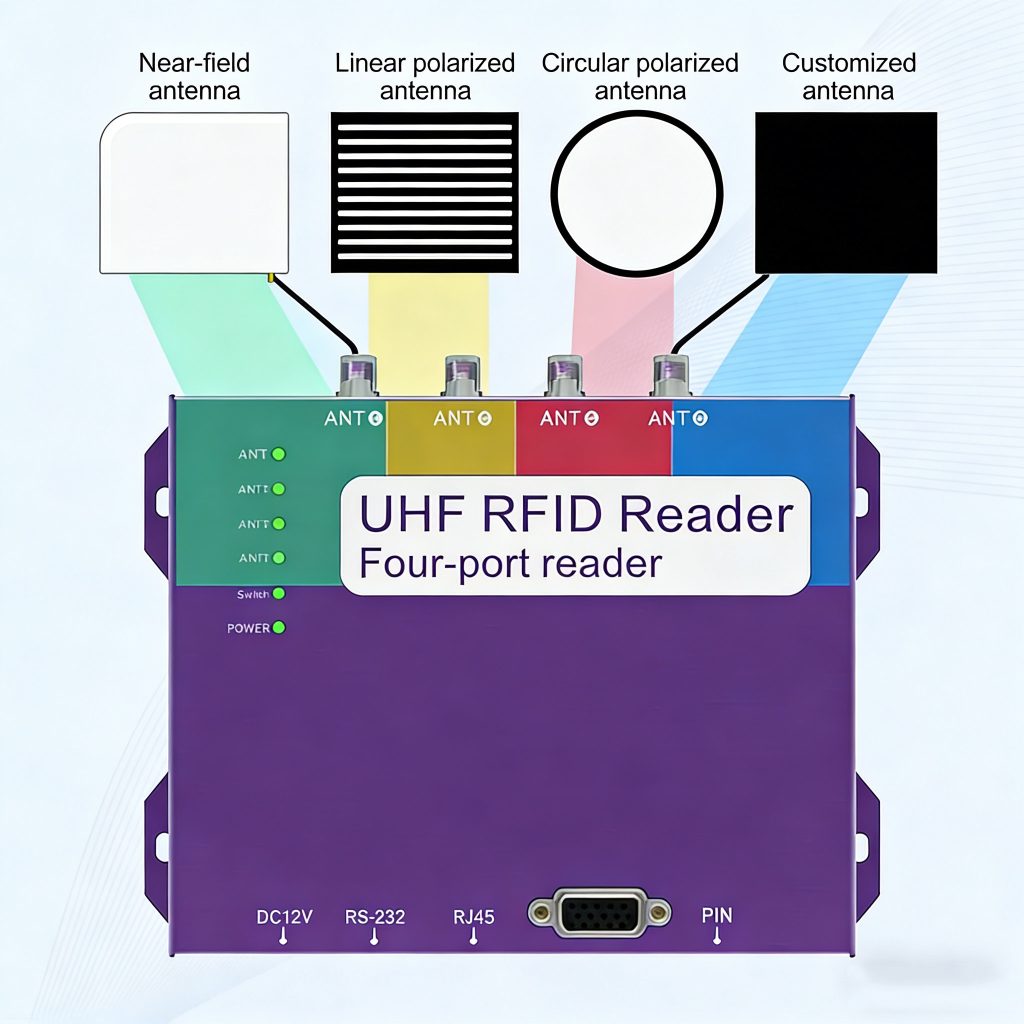
Developers can integrate:
- Near-field antennas for item-level control
- Linear antennas for conveyor lines
- Circular antennas for portals
- Custom antennas for metal or confined environments
Each antenna port can represent:
- A physical zone
- A workflow step
- A business logic trigger
Instead of asking “which reader saw this tag?”
You ask “which antenna zone did this tag pass through?”
That’s a much more powerful abstraction.
Real Application Scenarios for Solution Developers
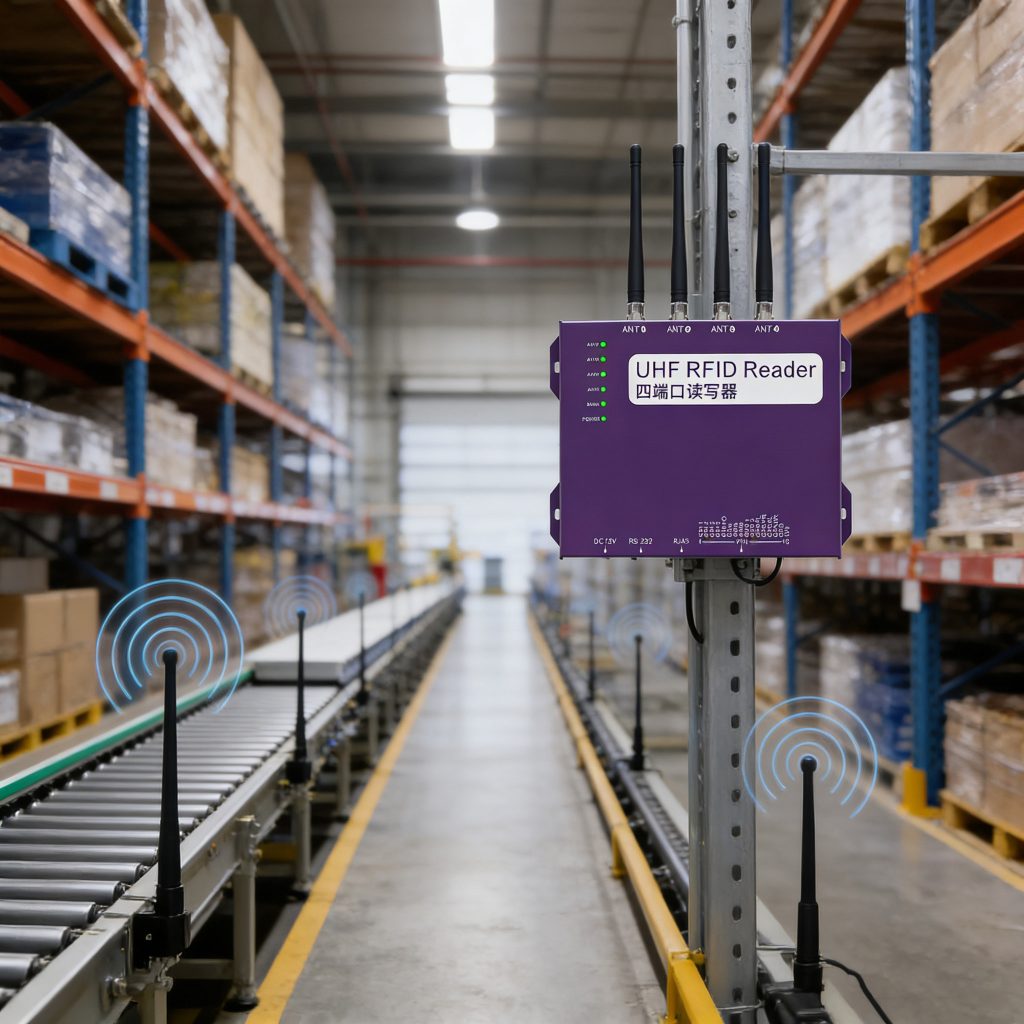
Fixed RFID readers are usually chosen when:
Read consistency matters more than mobility
Warehouses, production lines, access points.
The system must run 24/7
No battery concerns. No sleep modes.
Multiple antennas are required
One reader, multiple zones.
RF behavior must be tuned precisely
Power, timing, filtering — all controlled.
This is why solution providers often prototype with USB or handheld rfid readers, but deploy with fixed readers.
Development Workflow That Actually Works
A common pattern among RFID developers:
- Prototype logic with simple readers
- Validate tag behavior
- Move to fixed RFID reader for deployment
- Tune antenna layout and RF parameters
- Lock the system and scale
Fixed readers are rarely step one.
But they are almost always the final step.
Final Thoughts for RFID Solution Developers
Fixed RFID readers aren’t exciting.
They don’t move.
They don’t beep.
They don’t impress in demos.
But they do something more important:
They stay predictable.
For developers and solution integrators, that predictability — combined with strong API support and flexible antenna integration — is why fixed RFID readers remain the foundation of serious RFID systems.
If your project involves continuous reading, multi-zone control, or deep system integration, fixed RFID readers aren’t optional.
They’re inevitable.


评论
发表评论