A 4-Port UHF RFID Fixed Reader That Developers Don’t Have to Fight With
Most UHF RFID fixed readers look good on a datasheet.
In real projects, though, what matters is different:
How flexible is it?
How painful is the integration?
And when you bolt it into an existing cabinet, door, or payment system — does it behave, or does it fight back?
This 4-port UHF RFID fixed reader is clearly built by people who’ve been through those integration headaches before.
Not flashy. Just practical.
Four Antenna Ports, Real Coverage, No Guessing Games
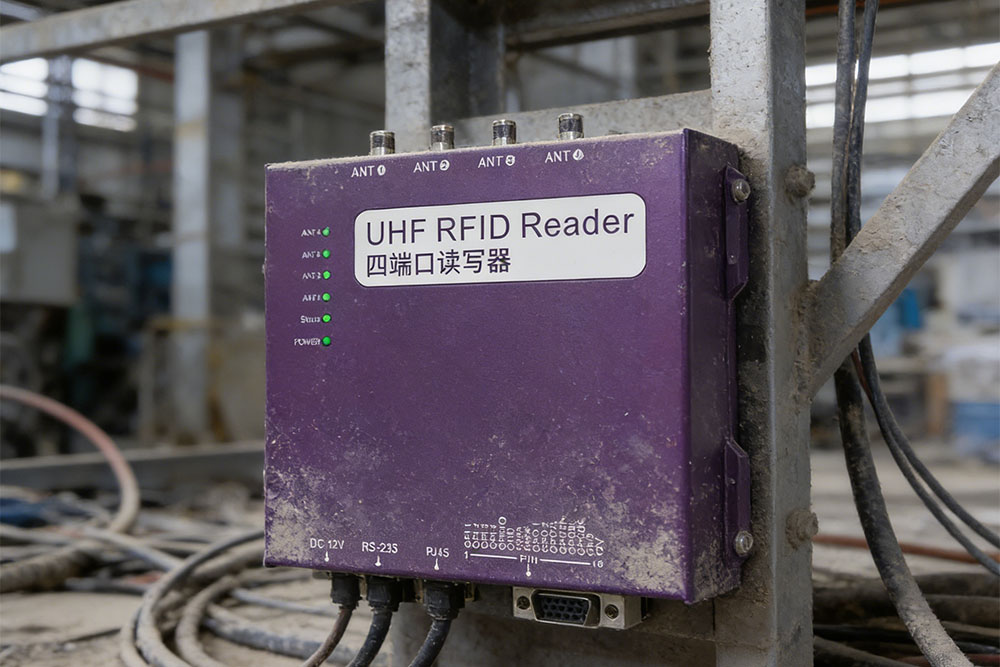
The first thing integrators notice is the 4-channel TNC antenna layout.
Four ports sounds basic, but in actual deployments it changes everything:
- One reader can cover multi-zone cabinets
- Or front + back of access doors
- Or a long conveyor without stacking multiple readers
You’re not forced into awkward RF compromises.
You decide where the energy goes.
That matters more than people admit.
R2000 Chipset — Speed That Actually Helps System Logic
Yes, it uses the Impinj R2000 chipset.
But the useful part isn’t the brand name — it’s the behavior.
At 600+ tags per second, the reader doesn’t become the bottleneck when:
- Multiple assets move at once
- A door opens and 200 tagged items suddenly exist
- A cabinet drawer slides out fast (and people don’t wait)
This speed gives developers breathing room.
Your software logic stays clean.
You don’t have to “slow the world down” just to keep reads accurate.
Built for Cabinets, Doors, and Industrial Abuse
This reader isn’t pretending to be rugged — it actually is.
- IP67 enclosure
- Wide temperature operating range
- Stable in dusty factories, cold storage, semi-outdoor setups
Which is why it’s often embedded into:
- Traditional metal cabinets
- RFID-enabled access control doors
- Fixed inventory stations on shop floors
- Unattended kiosks and checkout systems
Once installed, it tends to disappear.
That’s a compliment.
API First, Not API Later
Here’s where it gets interesting for developers.
This reader wasn’t designed as a “black box” that you adapt to.
It’s clearly meant to be controlled by your system, not the other way around.
Supported Interfaces
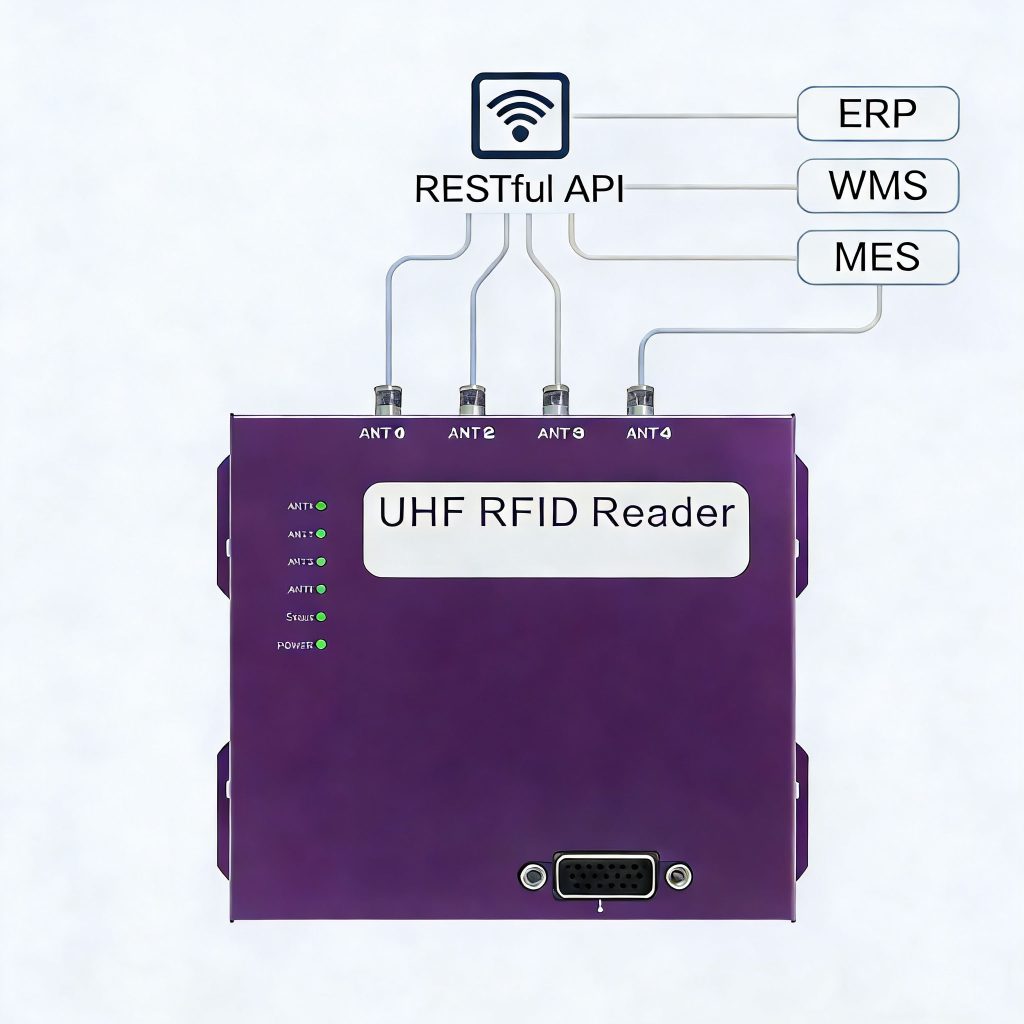
- RESTful API for modern IoT platforms
- Native APIs for tighter system control
- Clean paths into ERP, WMS, MES, and payment systems
No weird workarounds.
No polling hacks.
Just predictable data flow.
Java and C# — Practical, Cross-Platform Choices
Instead of exotic SDKs that only one engineer understands, this reader sticks to:
- Java
- C#
Which means:
- Windows or Linux environments are fine
- Enterprise IT teams don’t panic
- Existing codebases can reuse logic
You don’t need to rebuild your stack just to talk to the hardware.
Secondary Development That Actually Feels Supported
A lot of RFID products claim to be “developer-friendly”.
This one actually ships with the tools.
The secondary development SDK includes:
- Full protocol documentation
- Firmware customization access
- Sample code that doesn’t feel like an afterthought
This makes it realistic to:
- Customize read logic per cabinet or door
- Tune power and antenna behavior per environment
- Build application-level rules instead of fighting firmware limits
It’s the difference between “supported” and “possible”.
Integrating RFID into Existing Systems (Without Replacing Everything)
This reader is often used where replacement isn’t an option.
Teams integrate it into:
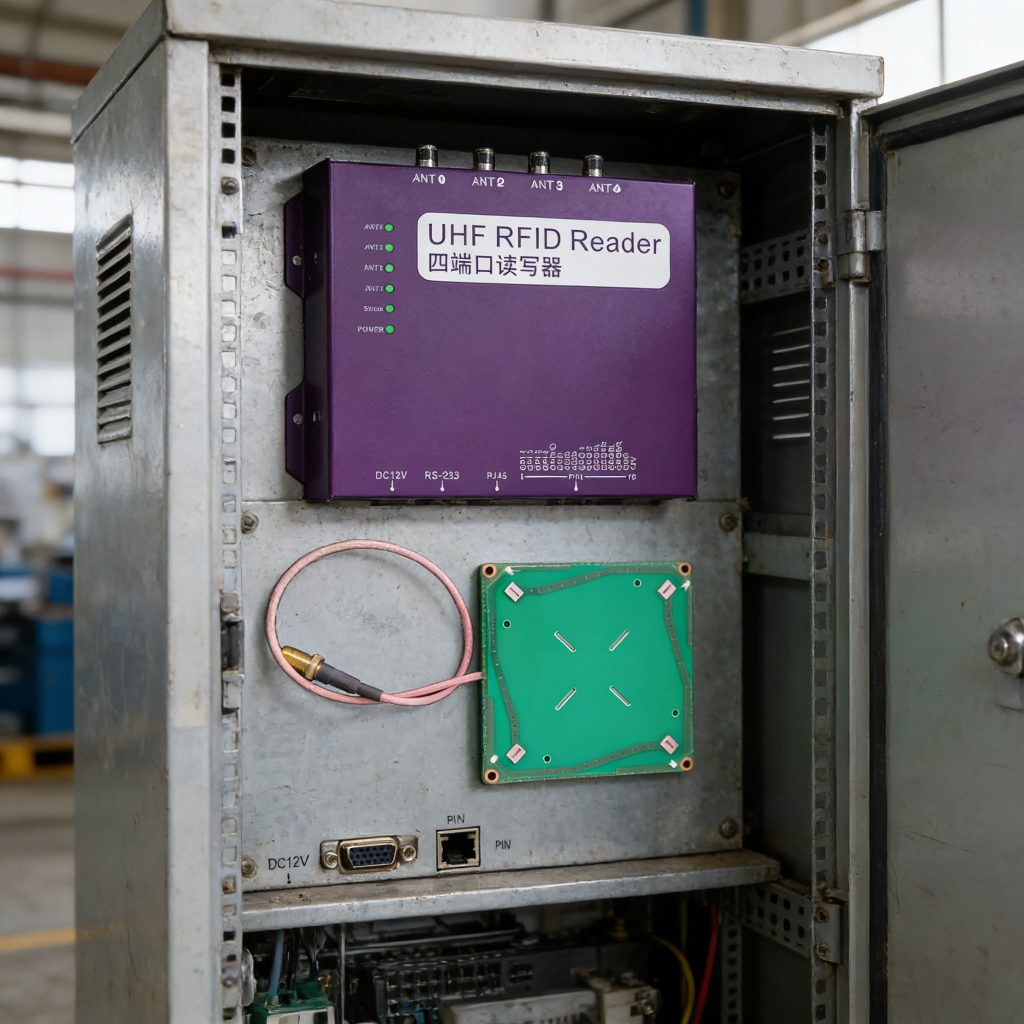
- Existing metal cabinets (not redesigned ones)
- Traditional access control systems
- Inventory management platforms already in production
- RFID-based payment and checkout workflows
You mount antennas where you can.
You adjust RF behavior in software.
You let the reader adapt to the environment — not the other way around.
That flexibility saves projects. Honestly.
Who This Reader Is Really For
This isn’t for demo labs or flashy showcases.
It’s for:
- RFID solution developers
- System integrators building custom deployments
- Enterprises scaling asset tracking fast
- Teams that care about APIs more than brochures
If your project needs real control, clean integration, and long-term stability, this reader fits quietly into the system and does its job.
And then stays out of the way.


评论
发表评论