RFID Police Equipment Real-World Experience: What’s Actually Going on Inside Those Smart Police RFID Cabinets
You know, anyone who has dealt with police equipment management in the past few years probably shares the same feeling — the gear keeps increasing, the process keeps getting messier, and nobody can clearly explain who took what, where it is now, or whether it was returned properly.
And that’s exactly why RFID police equipment absolutely exploded these two years. No buzzwords, no gimmicks — it solves real headaches.
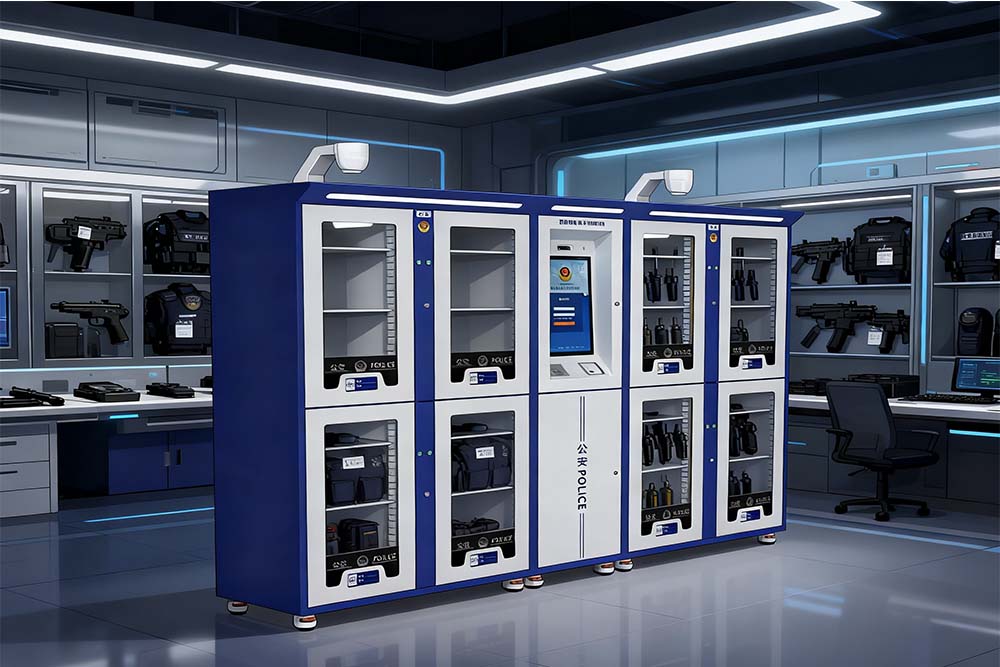
1. Why are law enforcement units switching to RFID so aggressively?
If you walk into any modern equipment room, you’ll almost always see an RFID Intelligent Police Equipment Cabinet. It looks like an upgrade, but honestly, the upgrade wasn’t optional — the daily workflow forced it.
Traditional key cabinets? Come on… one lost key and the whole shift collapses into chaos.
One-person-per-locker? Space runs out fast, and the changeover efficiency tanks.
As equipment gets more expensive and teams get more responsibilities, manual management simply can’t keep up. At some point, not using RFID becomes unrealistic.
2. The biggest advantage of smart RFID cabinets isn’t “tech”— it’s clarity
Those RFID Intelligent Police Equipment Cabinets—whether it’s a standalone unit or a whole integrated system—follow one simple logic:
Who took it, when they took it, and whether they returned it — all auto-recorded.
Put tagged equipment back in the cabinet, and the system auto-counts.
No “scan and pray it reads.”
It checks inventory the moment you open or close the door.
You don’t even need to hit a “count” button.
This is the real value: it removes the grey areas.
Before:
“Did you take this gear?”
Now:
“System shows you took it at 10:42.”
Before:
“Did someone return the equipment?”
Now:
“Door closed at 14:16, inventory mismatch → alert triggered.”
This is the kind of tech that actually works in real life.
3. RFID police equipment is not ‘a cabinet’ — it’s a workflow
Some RFID suppliers take a more system-driven approach, breaking police gear management into modules:
- Smart equipment cabinets
- RFID workstations (tag binding, fast registration)
- RFID smart shelves with antennas
- Security gates (for entrance/exit linkage)
- Smart file cabinets for case files
This isn’t “selling hardware.”
It connects the whole chain: equipment → personnel → process.
From what I’ve seen, it fits departments like:
- Traffic police divisions
- Criminal investigation / technical investigation units
- SWAT and tactical teams
- Urban enforcement departments
- Government asset centers
In one line: RFID police equipment turns scattered gear into a manageable flow.
4. Keyless lockers: small upgrade, huge impact for officers
I never understood why U.S. agencies emphasize RFID Keyless Lockers for Law Enforcement — until I saw their shift workflow in person.
The key point is the three-shift rotation:
- Lockers aren’t assigned to individuals
- They’re shared
- One officer finishes a shift → clears the locker → next officer uses it
- PIN code or RFID admin card to open
- No more distributing or tracking physical keys
It sounds tiny, but removing physical keys is a huge relief for frontline officers.
And for departments with limited space, these shared keyless RFID lockers save a surprising amount of room compared to “one locker per person.”
You quickly notice:
Smart equipment cabinets handle workflow.
Keyless lockers handle daily life.
Different problems, same RFID backbone.
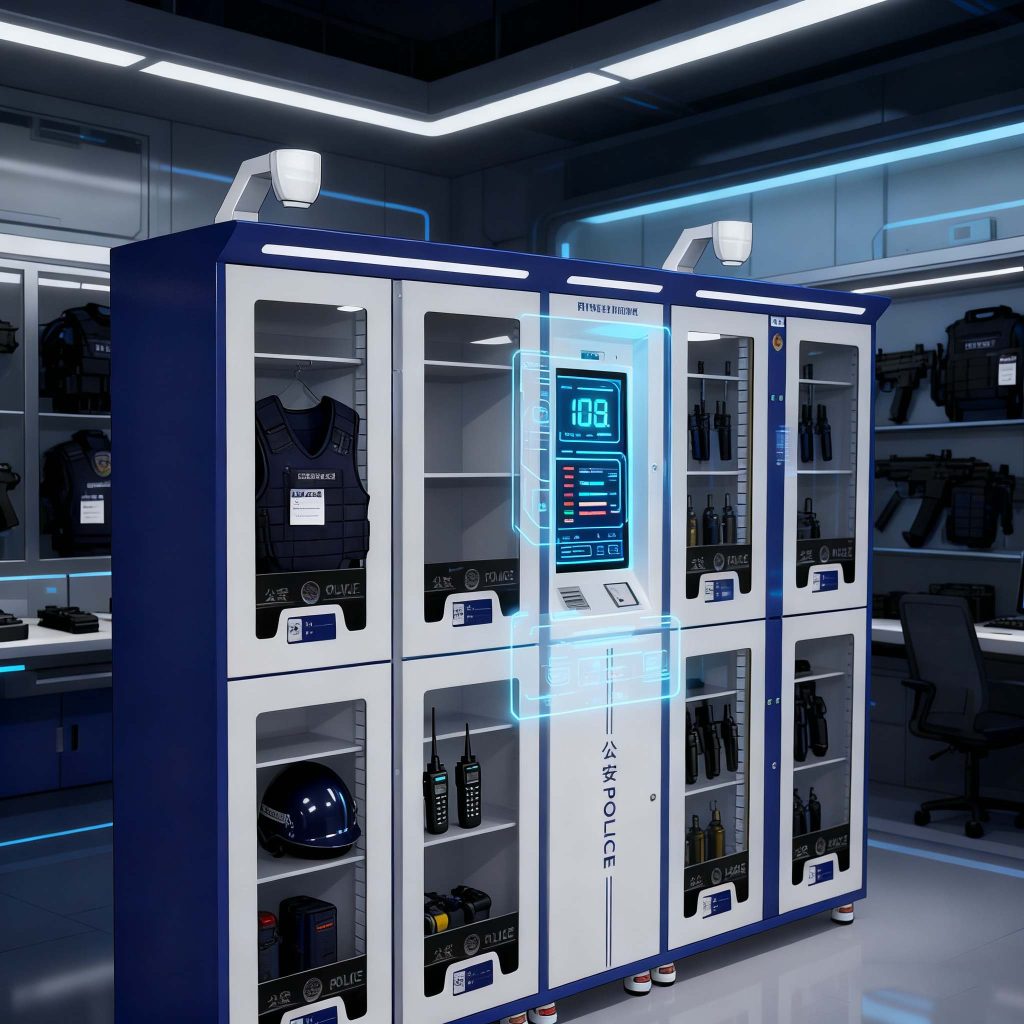
5. The reality: RFID police systems aren’t magic — but they work
Here’s the honest takeaway after seeing many deployments:
What RFID solves well:
- Missing equipment alerts? → automatic
- Usage records? → auto-generated logs
- Shift changes and temporary use? → keyless lockers make it painless
- Face/PIN/card access linkage? → mature tech
- Equipment categorization chaos? → RFID workstation + antennas fix it fast
Where it still has limitations:
- Tagging existing gear takes time
- Staff need new workflow training
- Cabinets often need customization to fit gear types
- Backend system still needs IT involvement
But overall?
RFID police equipment isn’t a fancy toy — it finally makes messy gear management controllable.


评论
发表评论