Long-Range UHF RFID Readers: What Makes Them Useful
These days, automation, logistics, and asset tracking systems are everywhere. And one thing that really makes life easier is a long-range UHF RFID reader. Unlike the old short-range readers, these babies can pick up multiple tags from far away—think 20 meters or so—without anyone having to get close. That means faster scanning, less manual work, and smooth, hands-free operations.
1. Scan From Afar & Handle a Bunch of Tags at Once
The big selling point? Distance. You don’t have to stick a tag right next to the reader. This is huge for places like warehouse aisles, parking lots, or any scenario where things move fast.
Some Cykeo examples:
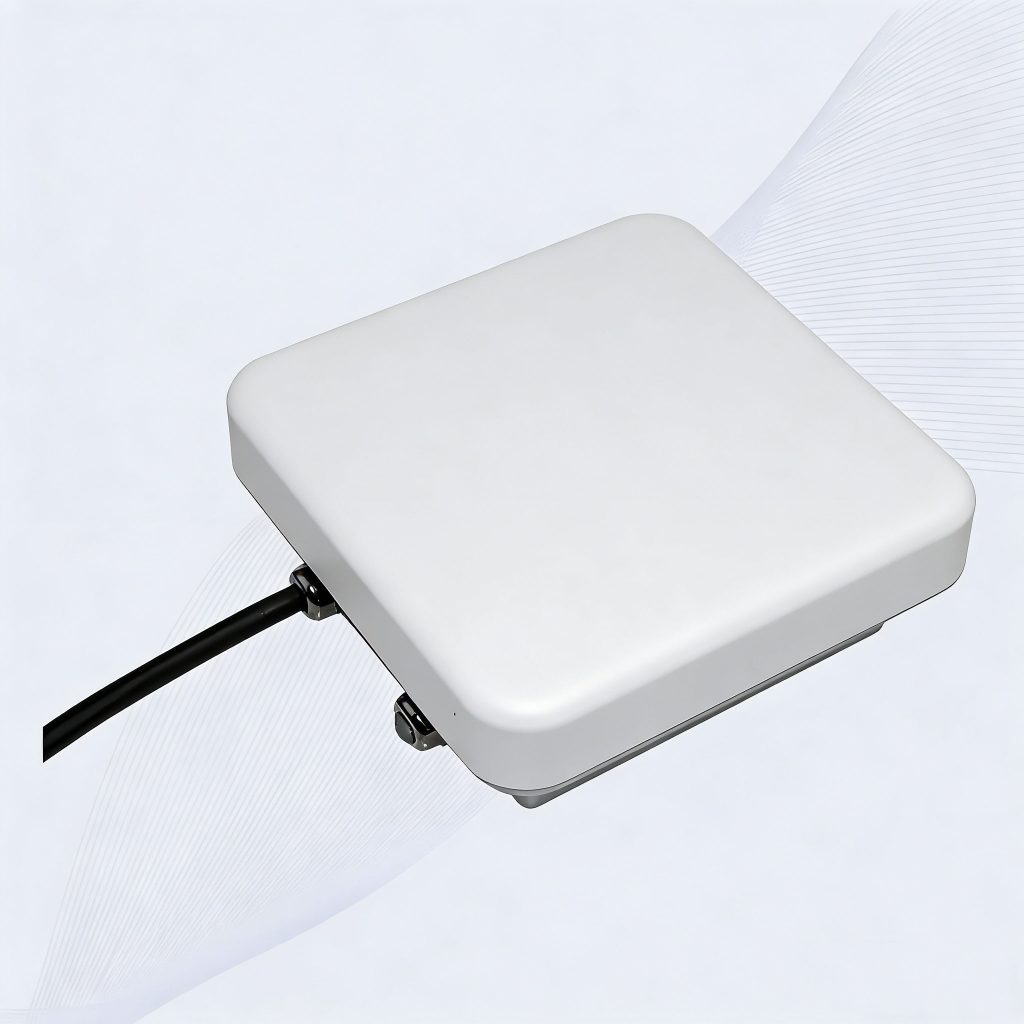
CK-RA4L 4dBi Long Range RFID Reader — 4dBi circular antenna, reads tags from about 20 meters, can handle 500+ tags per second.
CK-RA6L 6dBi — Medium gain, fast anti-collision engine, works well when tags are close together.
CK-RA9L 9dBi — Even higher gain, good for stacked or busy environments.
CK-RA12L 12dBi — Top-tier gain, super sensitive and stable, even in tricky spots.
Basically, they can read a lot of tags really fast, perfect for logistics, access control, or any high-volume scanning job.
2. Built Tough for Real-World Use
These readers are made for rough environments. Think IP67-rated metal or aluminum housings, so they shrug off dust, water, and temperature swings. Warehouse? Factory floor? Outdoors? No problem—they keep running.
And it’s not just the casing. Features like anti-interference tech, auto frequency adjustments, and high-gain antennas keep readings stable even in metal-heavy or noisy industrial spots. Short-range readers just can’t compete.
3. Works With Your Systems
Long-range readers usually speak standard RFID protocols—like ISO 18000-6C / EPC Class‑1 Gen‑2—and have flexible interfaces: Ethernet, TCP/IP, RS‑232, whatever your system uses. That means real-time tag data can feed straight into WMS, ERP, or IoT dashboards. (cykeorfid.com)
For devs, there are usually SDKs and APIs, so you can tweak things or build custom apps without too much hassle.
4. Where You’d Actually Use Them
These readers aren’t just flashy tech—they solve real problems:
Warehousing & Logistics
Scan whole pallets at once, track goods automatically, update inventory without people running around counting. Saves a ton of time.
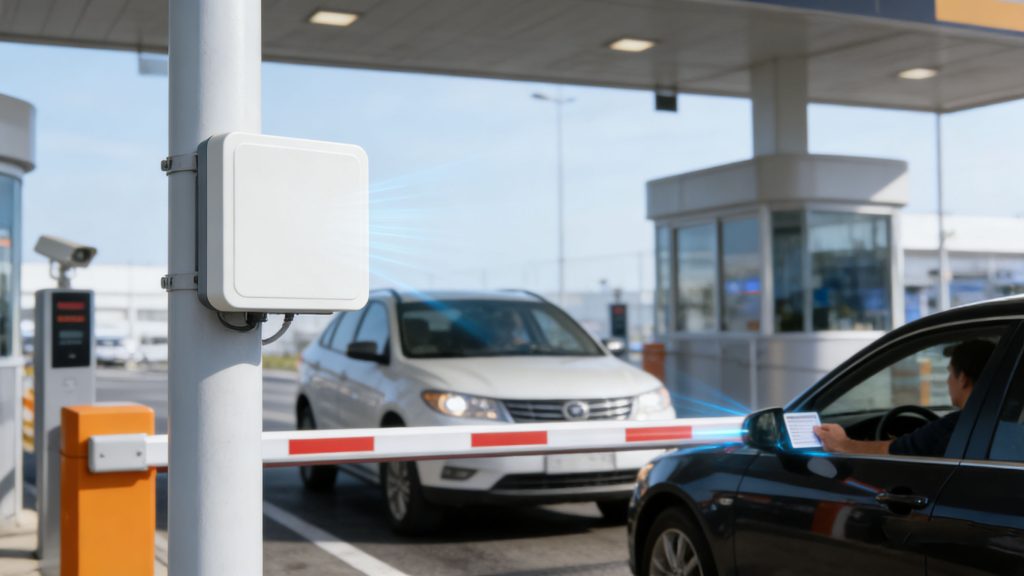
Vehicle Access & Gates
Cars roll up, tags get read, gates open. No stops, no cards, no fuss. Perfect for parking lots or gated campuses.
Production Lines
Keep tabs on work-in-progress or raw materials on the line. See where everything is, when it moves, and plan production better.
Asset Tracking
Hospitals, factories, offices—track tools, machines, or equipment quickly, reduce losses, and know exactly where things are. (cykeorfid.com)
5. Why Not Stick With Short-Range?
Compared to short-range RFID or barcodes:
You don’t need to get close to scan
Handles dense tags with fewer misses
Cuts down manual work and mistakes
Plays nicely with automated systems for live data
Basically, if you’re going digital or automating, long-range RFID is a no-brainer.
Wrap-Up
Long-range UHF RFID readers mix distance, speed, durability, flexibility, and easy integration. In real life, models like CK‑RA4L, CK‑RA6L, CK‑RA9L, and CK‑RA12L show just how these readers make warehouse, logistics, vehicle access, and asset tracking faster, simpler, and smarter.


评论
发表评论