What Is RFID Programmer and How It Actually Works
If you’ve ever worked with RFID systems—whether it’s for access control, inventory tracking, or animal tagging—you’ve probably heard the term RFID programmer tossed around. But what exactly does it do, and why is it so important in the RFID setup? Let’s break it down in plain English.
1. What an RFID Programmer Really Does
An RFID programmer is basically the “brain” that writes information onto RFID tags and sometimes reads it back. Think of it like a USB writer for smart tags. You connect it to your computer, open some software, and then assign data—like product IDs, asset numbers, or even livestock details—to the tag’s memory chip.
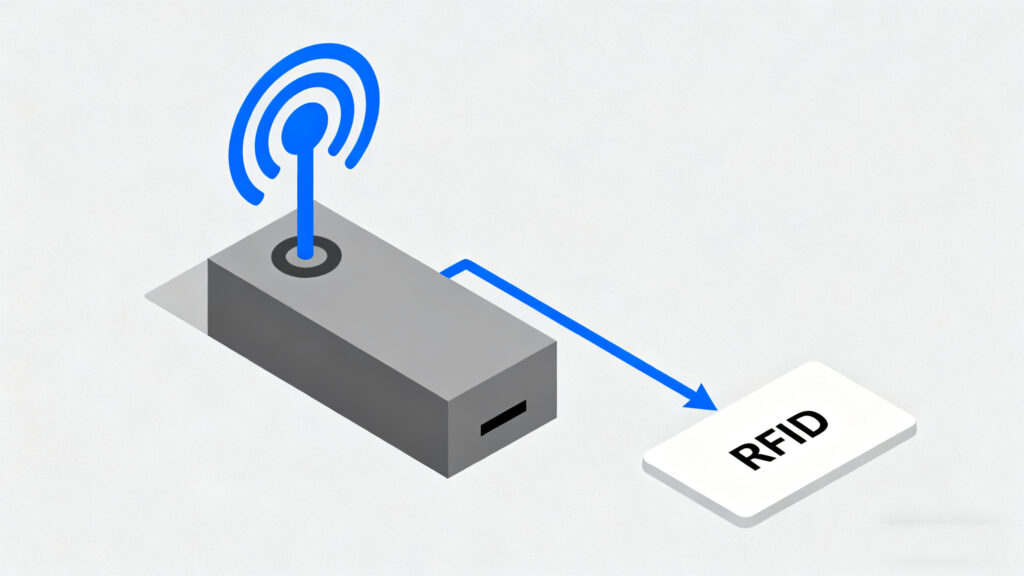
There are two main things it handles:
Encoding: Writing specific information onto the RFID chip.
Configuration: Adjusting tag settings like memory banks, password protection, or read range parameters.
In short, it’s what makes a blank RFID tag useful and unique.
2. How RFID Programming Works
Programming an RFID tag usually happens through a UHF or HF reader/writer device. When you place the tag near the antenna, the programmer sends a signal that activates the chip. The software then encodes your chosen data into the tag’s memory area.
A typical setup includes:
The RFID programmer hardware (desktop or handheld)
A computer with RFID software
The RFID tags themselves
Once programmed, these tags can be read by compatible readers in your warehouse, shop, or factory floor.
A nice thing about programming your own tags is that you control what data gets written. That means better accuracy, less confusion, and less dependency on pre-coded tags.
3. Types of RFID Programmers
Depending on your project, you’ll run into different types of programmers:
Desktop programmers: Best for lab or office use. They connect to a PC via USB and are perfect for encoding small batches of tags.
Handheld programmers: More rugged and portable, often used in warehouses, farms, or outdoor environments.
Industrial programmers: Built into conveyor lines or production systems for high-speed, automated tag encoding.
Some models can even handle both reading and writing in one go, making them ideal for testing and verifying tag performance.
4. Where RFID Programmers Are Commonly Used
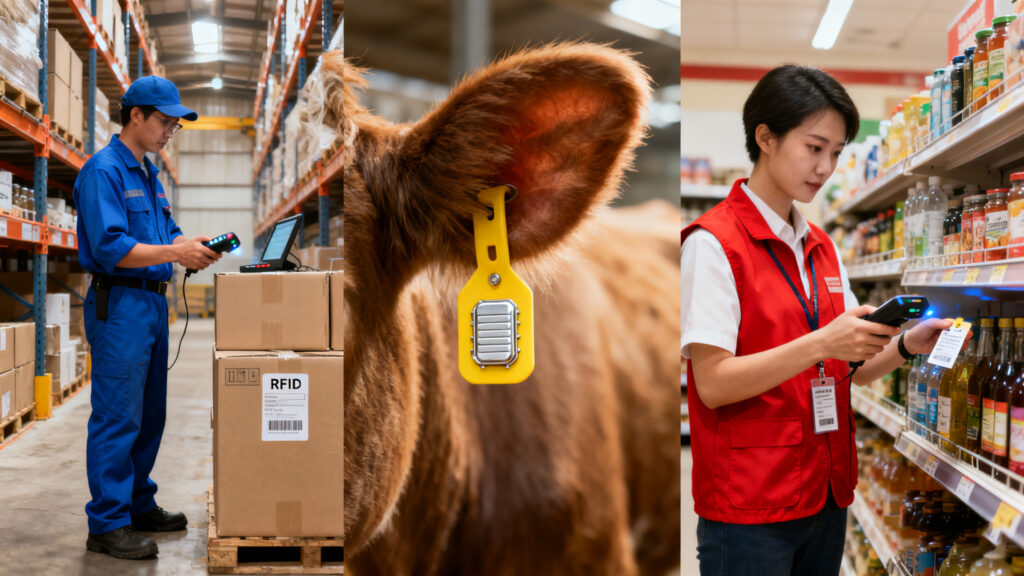
RFID programming plays a role in many industries:
Retail & Logistics: Encoding product IDs for faster inventory tracking.
Animal Management: Writing animal ID data to RFID ear tags.
Access Control: Assigning user IDs or credentials to employee badges.
Manufacturing: Tracking assets, components, and tools.
Basically, anywhere you see RFID tags, there’s probably an RFID programmer somewhere in the workflow.
5. Practical Tips for Using an RFID Programmer
If you’re new to RFID programming, here are some practical tips:
Always match the frequency (UHF, HF, or LF) between your programmer and tag.
Avoid metal interference when encoding; it can affect signal strength.
Keep software drivers updated—a lot of programming errors come from old or incompatible software.
And, of course, label your tags after programming; you’ll thank yourself later.
6. Final Thoughts
An RFID programmer might sound technical, but once you see how it works, it’s actually pretty straightforward. It’s just the tool that gives your RFID system life—turning blank tags into meaningful data carriers that keep your workflow smart and efficient.
Whether you’re managing livestock, controlling factory inventory, or running a logistics operation, learning how to use an RFID programmer is one of those small steps that makes your system a lot more powerful.


评论
发表评论