RFID Inventory Tags and Why They’re Changing How We Track Stuff
Inventory is one of those things that always sounds simple on paper—count the items, write them down, done. But anyone who’s ever worked in a warehouse or a stockroom knows it’s never that neat. Things go missing, numbers don’t add up, people forget to scan, and before you know it, the report says you’ve got 200 units sitting there when in reality the shelves are half empty.
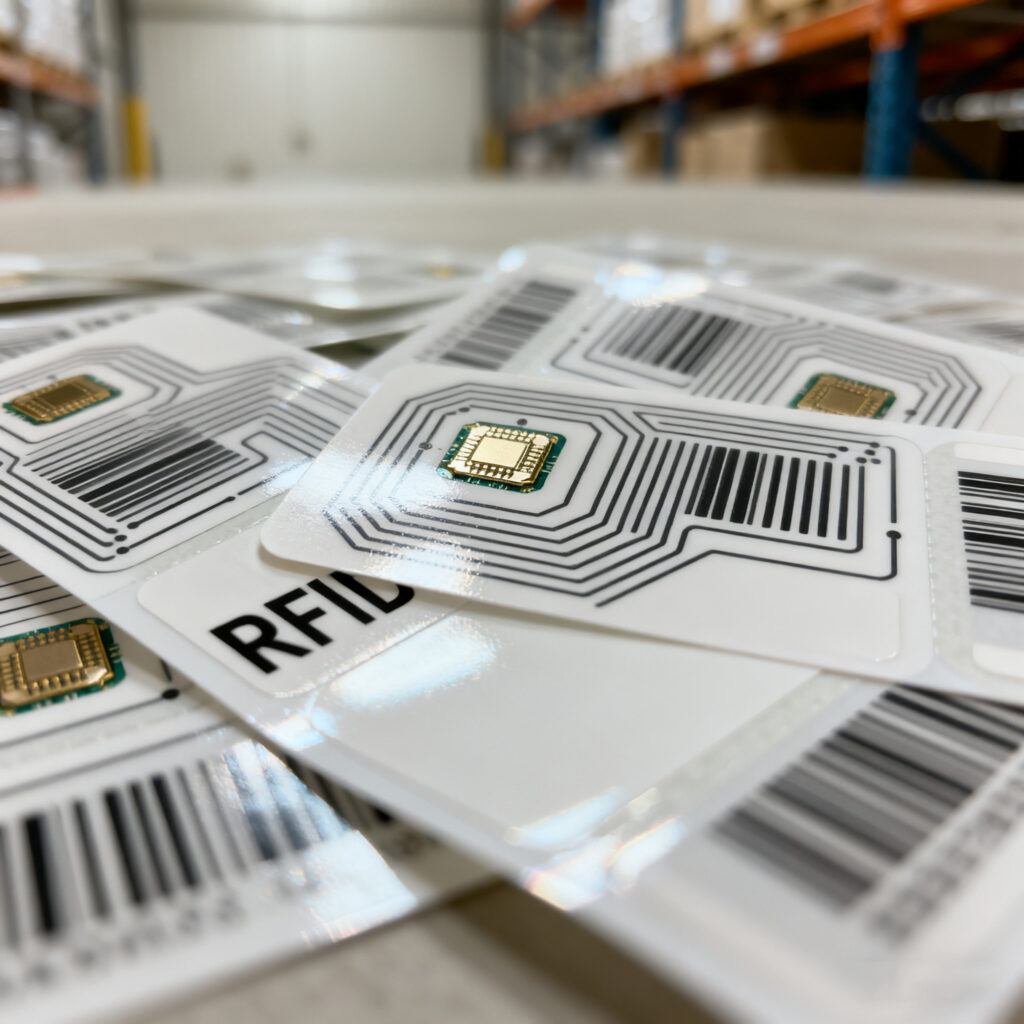
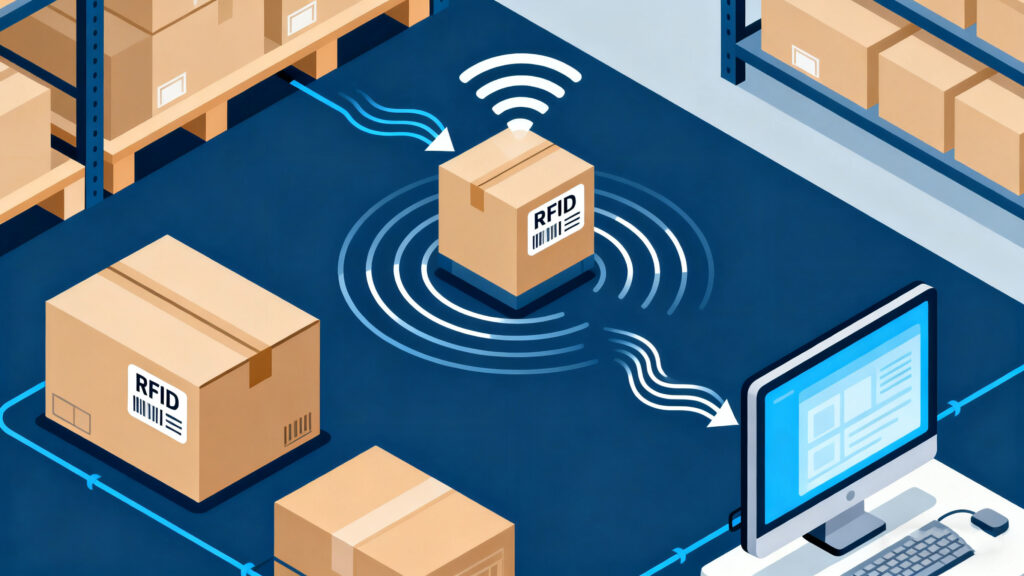
That’s where RFID inventory tags come in. They’re basically tiny chips with antennas, but what makes them special is how they talk to scanners without needing to be lined up like barcodes. You don’t have to pull every box out or peel back packaging. Just walk past with a reader, and suddenly you know exactly what’s there. It feels almost like cheating compared to the old way.
Why They’re Worth the Trouble
The biggest win is accuracy. Fewer mistakes, less shrinkage, and a lot less second-guessing. A manager can check stock levels without sending three people out to scan everything by hand. What used to take hours—or even a full day—gets done in a fraction of the time. That’s real money saved, not just “time saved.”
But it’s not only about speed. The data you get from RFID inventory tags can make ordering and planning less of a guessing game. You see what’s moving, what’s stuck on the shelves, and when you’re about to run out. It shifts decision-making from reactive to proactive.
Not Perfect, But Close
Of course, it’s not all sunshine. The tags and readers cost money upfront, and depending on what you’re tracking—like items with liquid or metal—it can be tricky to get the setup right. There’s also the job of linking RFID with whatever system the business already uses. Still, most people who’ve made the switch say the payoff comes pretty quickly once everything’s running.
A Glimpse from the Field
I read a story from someone testing RFID inventory tags in their small warehouse. They described it as “inventory management out of the box”—like once the tags were on and the reader was set, it just worked. No fiddling, no endless adjustments. That kind of feedback says a lot more than technical specs ever could.
The Direction Things Are Headed
Prices for RFID inventory tags are coming down, and more businesses—big or small—are starting to see them not as a luxury but as a tool that actually makes sense. It’s easy to picture a future where manual counting becomes the exception, not the rule.
At the end of the day, these tags don’t just track items; they change the way businesses think about inventory. Less time spent hunting for missing stock, more confidence in the numbers, and a smoother flow from warehouse to shelf.


评论
发表评论